Who this is for

Organic-label-first shoppers

You want to know what an organic claim covers, rather than treating sustainable-fishing language as the same thing. UK government guidance sets conditions for organic food labelling; on a tin of tuna, check whether the wording refers to the product or a named ingredient.

Salt-conscious diabetes meal planners

You use tuna as an ingredient and want to compare salt on the exact tin before deciding how it fits your meal. Diabetes UK notes that excess salt can raise blood pressure, making the salt declaration worth checking separately from any organic claim.

Sustainability-led cupboard-stock buyers

You look for a fisheries-sustainability label on the tuna you buy. An MSC label addresses a different question from organic food labelling, so check each claim separately if both matter to you.

What to check when buying

Concern What to check Who this matters to
Organic claim Check the certification information and whether organic describes the product or a named ingredient. I want to know precisely what the organic wording covers before choosing a tin. About 36% of consumers put that clarity first.
Salt Compare salt per 100g and per serving on the exact tin; use the front-of-pack salt colour where shown. When planning a meal around tuna, I need to consider its salt rather than relying on the packing liquid or organic wording. For about 29% of consumers, salt is the primary concern.
Packing medium Choose between water, brine and oil for the intended dish, then read the ingredients and nutrition label. If I am adding my own dressing, water-packed tuna may suit the recipe; if I will use the oil, an oil-packed tin may suit it instead. Roughly 21% of consumers prioritise how the tuna fits the meal.
Fisheries label Look for an MSC label on the specific product if fisheries certification matters to you; check organic wording separately. I want a recognised fisheries-sustainability signal on the tin, without mistaking it for an organic or nutrition claim. That is the main priority for about 14% of consumers.

Buying pitfalls

  • Taking organic to mean lower in salt

    Organic labelling concerns production and certification conditions, not the salt content of a particular tin. Diabetes UK says excess salt can raise blood pressure.

    Check what the organic claim covers, then compare the salt declaration separately.

  • Judging salt by the packing liquid

    Tuna sold in spring water, brine or oil can have different product labels. The liquid alone does not tell you the salt value.

    Read salt per 100g and per serving on the tin you intend to buy.

  • Counting tinned tuna as oily fish

    The NHS says fresh and canned tuna do not count as oily fish.

    If you are following fish-intake guidance, do not use a tuna serving in place of its oily-fish portion.

  • Treating MSC and organic labels as interchangeable

    MSC fisheries certification and UK organic food labelling address different claims.

    If both matter to you, check the specific tin for each claim independently.

Brands for reference

Fish4Ever

A tinned-fish brand with a product listing that names organic olive oil as a packing ingredient.

  • An Amazon UK listing describes Fish4Ever skipjack tuna fillets in organic olive oil.
  • Check the wording and certification on the particular pack; an organic ingredient claim does not establish that the tuna itself is organic.

John West

A tinned-tuna brand with several packing formats.

  • Waitrose lists John West MSC tuna products in spring water, brine and sunflower oil.
  • Check the chosen product for any organic claim and compare its salt declaration separately.

M&S

A retailer with own-label tuna in water- and oil-packed formats.

  • M&S lists tuna in spring water and sunflower oil, as well as olive-oil tuna products.
  • Its seafood sourcing standard covers canned seafood, but that statement does not establish an organic claim for an individual tin.

Princes

A mainstream tuna brand to assess product by product when fisheries certification is a priority.

  • The Marine Stewardship Council has published information about Princes’ tuna-sourcing ambitions.
  • A past sourcing aim does not establish the certification or organic status of the tin currently on the shelf; check its label.

Sainsbury's

An own-label tuna range relevant to shoppers checking fisheries labels.

  • The Marine Stewardship Council’s 2024 UK market analysis identified Sainsbury's own-brand canned tuna as MSC-labelled at that time.
  • MSC labelling does not establish organic status or the salt content of a particular product; read the current pack.

Tinned tuna on Joybuy

This selection is tuna packed in organic olive oil, for meals where you intend to use that packing medium. Check the tin’s organic wording and nutrition label before deciding whether it suits your meal.
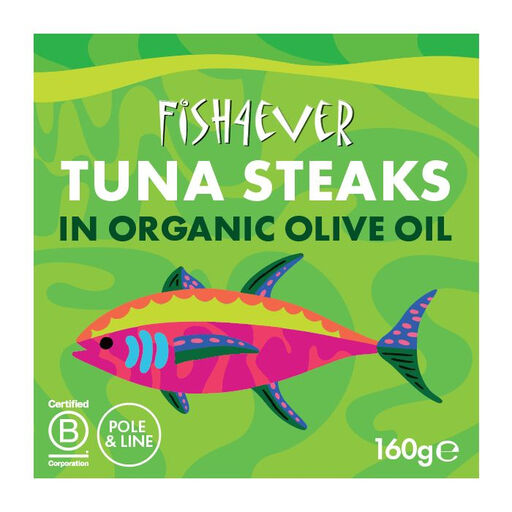
Fish4ever Tuna Steaks in Organic Olive Oil 160g

Fish4ever Tuna Steaks in Organic Olive Oil 160g

This 160g tin is a choice to consider when you want olive oil in the dish. The product name identifies the oil as organic; check the pack for the precise scope of that claim, and read its salt declaration for the portion you plan to use.

View on Joybuy

Frequently asked questions

Does organic tinned tuna have a diabetes-specific advantage?

An organic claim alone does not establish one. Check whether the claim covers the product or an ingredient, then consider the exact tin’s nutrition label and the rest of the meal. UK government organic labelling guidance and Diabetes UK’s eating guidance address those as separate questions.

Should I choose spring-water tuna instead of tuna in olive oil?

Choose according to the dish: spring-water tuna lets you add your own dressing, while olive-oil tuna may suit a recipe that uses the oil. Neither packing medium establishes the tin’s organic status or salt value, so check its label.

Does tinned tuna count as oily fish?

No. The NHS says fresh and canned tuna do not count as oily fish, so a tuna serving should not be counted as the oily-fish portion in general fish-intake guidance.

Is MSC-certified tuna the same as organic tuna?

No. The Marine Stewardship Council’s label concerns fisheries sustainability, while UK organic food claims have separate production and certification requirements. Check the particular product for both if both are priorities.

How can I use tinned tuna as part of a meal?

Diabetes UK suggests combining tinned tuna with ingredients such as beans or chickpeas for a salad. Check the tuna’s salt declaration and consider the portions and other ingredients in the meal rather than treating the tin as a standalone dietary solution.