For a savoury tuna bread, filling or baked topping, plain tuna in spring water or brine is a straightforward place to start when reducing sugars matters: the cited Tesco and Princes tins declare 0g sugars, while the cited Sainsbury’s plain tins declare less than 0.5g. Oil-packed tuna can also have little declared sugar, but it changes the fat going into the mixture; flavoured tuna needs its own ingredient and nutrition check. Drain the tuna and consider the tin’s salt alongside the rest of the recipe.
Who this is for
Reduced-sugar savoury bakers
If you are adding tuna to rolls, a stuffed loaf or a baked topping, the tuna’s ingredient list and declared sugars matter more than a general assumption about tinned fish. Plain tins offer a starting point; check flavoured versions separately.
Salt-aware home cooks
If the bread mixture also contains cheese, olives or seasoning, compare the tuna’s salt figure before choosing a tin. The cited Sainsbury’s spring-water tuna lists 0.12g salt per 100g drained, while Princes Tuna Chunks in Brine lists 0.90g per 100g drained.
Texture-and-moisture planners
If tuna is going into a filling or topping, choose the packing medium deliberately. Drain it before mixing, then decide how much additional liquid or fat the recipe needs rather than treating water-, brine- and oil-packed tins alike.
What to check when buying
For savoury bread, compare the exact tin’s sugars and ingredients, then consider what its packing medium and salt will add to the mixture.
| Concern |
What to check |
Who this matters to |
| Sugars and flavourings |
Read the ‘of which sugars’ figure and ingredient list for the exact variant, particularly if it comes in a sauce. |
If tuna is going into my savoury loaf, I want to know whether a flavoured sauce adds sugar before I choose it. About 42% of consumers put sugar control first. |
| Packing medium and moisture |
Check whether the tin contains spring water, brine or oil, and use drained weight where given to plan the amount of tuna. |
For a filling or topping, I need to control how much liquid or oil goes into the mixture. Moisture and fat are the primary concern for about 33% of consumers. |
| Salt and other label checks |
Compare salt on the same per-100g basis; check the allergen and after-opening instructions where relevant. |
When the recipe has other salty ingredients, I want to account for the tuna’s salt as well as how I will use any leftovers. About 25% of consumers prioritise these wider label and use checks. |
Mistakes to avoid
-
Assuming every tuna tin has the same sugar figure
Plain and flavoured products need separate checks. Sainsbury’s Tuna with Sriracha lists sugar among its ingredients and declares 1.9g sugars per 100g; the cited plain Sainsbury’s spring-water tuna declares less than 0.5g per 100g.
Read both the ingredients and the ‘of which sugars’ line on the variant you intend to use.
-
Choosing on sugars alone when the recipe is salty
A low declared sugar figure does not establish the tin’s salt content. The cited Princes brine tuna lists 0.90g salt per 100g drained, compared with 0.12g per 100g drained for the cited Sainsbury’s spring-water tuna.
Compare salt on a like-for-like basis and consider any cheese, olives or seasoning going into the bread.
-
Mixing in the packing liquid or oil without planning for it
Water, brine and oil affect what goes into a filling or topping. The cited Sainsbury’s sunflower-oil tuna lists 8.5g fat per 100g, while its cited spring-water tuna lists less than 0.5g per 100g.
Drain the tuna first, then add other liquids or fats according to the mixture your recipe calls for.
Brands for reference
Tesco
The cited Tesco plain tuna products include both brine and spring-water versions.
- Tesco declares 0g sugars for the cited tins. Its brine version lists tuna, water and salt; its spring-water version lists tuna and spring water.
- Do not assume the two packing media make the same contribution to a bread mixture; check salt on the tin you choose.
Sainsbury’s
The cited Sainsbury’s products span plain spring-water and brine tuna, oil-packed tuna and a flavoured sriracha variant.
- Its cited spring-water tuna declares less than 0.5g sugars and 0.12g salt per 100g drained.
- Its cited sriracha tuna lists sugar as an ingredient and declares 1.9g sugars per 100g, so its label cannot be judged by the plain range.
Princes
Princes Tuna Chunks in Brine is a plain option to compare when planning a savoury filling or topping.
- Princes lists tuna, water and salt as ingredients and declares 0.0g sugars for the cited brine product.
- The cited product also lists 0.90g salt per 100g drained; account for other salty ingredients in the recipe.
M&S
The cited M&S tuna chunks include spring-water and sunflower-oil versions.
- Both cited versions declare 0.0g sugars per 100g.
- M&S lists 0.6g fat per 100g for its cited spring-water tuna and 9.0g per 100g for its cited sunflower-oil tuna. Choose the packing medium with the rest of the recipe in mind.
Tinned tuna on Joybuy
These plain spring-water, brine and sunflower-oil tuna selections offer different starting points for a savoury bread filling or topping. Check the exact tin’s label, drain it as the recipe requires and account for its packing medium when mixing.
 Image unavailable
John West Tuna Chunks in Springwater, 4 x 125g
The spring-water packing makes this an option when you want to decide separately how much fat to add to a tuna filling. The name specifies four 125g tins; drain the tuna and check the pack’s sugar and salt figures for your recipe.
View on Joybuy
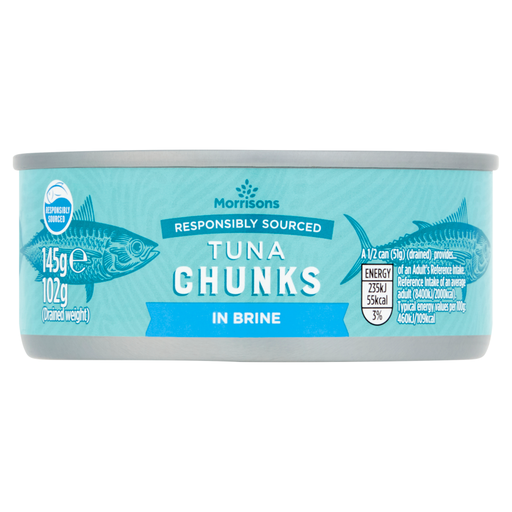 Image unavailable
Morrisons Fad Free Tuna Chunks in Brine, 145g
For a savoury filling or topping, drain the brine before mixing and consider the tuna’s salt alongside the other ingredients. The stated tin size is 145g; check the on-pack nutrition figures for the quantity you will use.
View on Joybuy
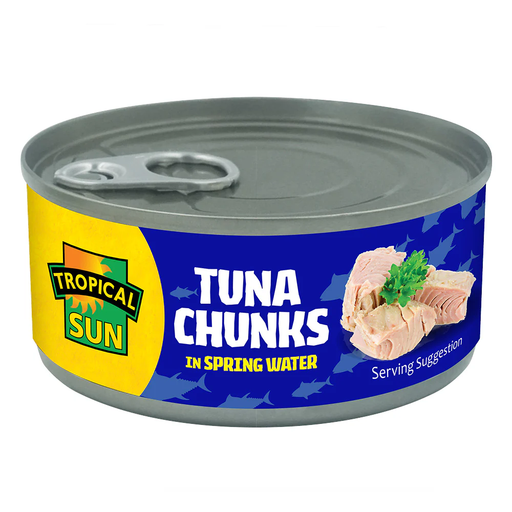 Image unavailable
Topical Sun Tuna Chunks in Springwater, 160g
This 160g spring-water tin is another option when planning the liquid added to a baked filling. Drain it before use, and check the pack’s sugar, salt and allergen information if those details affect your choice.
View on Joybuy
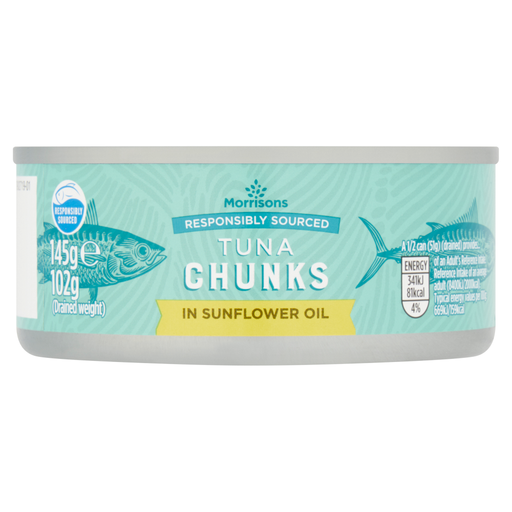 Image unavailable
Morrisons Fad Free Tuna Chunks in Sunflower Oil, 145g
Consider this 145g oil-packed tin if sunflower oil fits the filling you are making. Drain it before mixing and consider the oil when deciding whether to add other fats; check the exact pack’s sugars and salt as well.
View on Joybuy
 Image unavailable
Princes Tuna Chunks in Brine
For a bread filling or topping, drain the brine and consider the salt in the rest of the recipe. Confirm the bundle quantity before ordering so you can plan how much tuna the bake needs.
View on Joybuy
Common questions
Does plain tinned tuna add much sugar to savoury bread?
The cited plain tins declare 0g or less than 0.5g sugars, depending on the product and its stated nutrition basis. Tesco declares 0g for its cited brine and spring-water tins, while the cited Sainsbury’s plain tins declare less than 0.5g per 100g. Check the label on the tin you buy rather than applying one product’s figure to another.
Can I use flavoured tuna in a reduced-sugar bread recipe?
You can use it if its flavour and declared sugars fit your recipe, but do not assume it matches plain tuna. Sainsbury’s cited Tuna with Sriracha lists sugar as an ingredient and declares 1.9g sugars per 100g; read the ingredients and nutrition panel of the exact flavoured tin.
Should I drain tuna before adding it to a filling or topping?
Drain it when you need to control the liquid or oil going into the mixture. Spring water, brine and sunflower oil are different recipe inputs; after draining, add any other liquid or fat according to the consistency your recipe calls for.
Does bread baking change the tuna guidance for pregnancy?
No. NHS guidance says people who are pregnant or trying for a baby should have no more than four cans of tuna a week or two tuna steaks a week because tuna contains higher levels of mercury than other fish. Tuna used in bread still counts towards that weekly amount.


