Cooks making several savoury pancakes
If you need tuna for multiple fillings, the number of tins and the drained quantity tell you more about usable tuna than the tin size alone.


For several savoury pancakes, standard multipacks of tuna chunks in spring water or brine are a starting point if you can drain the tins before making the filling. Choose a no-drain format when quick assembly matters more, and check the drained quantity, packing liquid and exact pack label before deciding.
If you need tuna for multiple fillings, the number of tins and the drained quantity tell you more about usable tuna than the tin size alone.
If you are filling pancakes as they are cooked, a no-drain format can remove a preparation step. John West describes its No Drain chunks as ready to use.
Packing liquid, salt, fish allergen information and possible-bones warnings may affect your choice. NHS tuna guidance is also relevant if you are trying for a baby or are pregnant.
Decide how much drained tuna the filling needs, then whether you have time to drain it; use the exact pack label for ingredient and storage checks.
| Concern | What to check | Who this matters to |
|---|---|---|
| Usable quantity | Compare tin count and stated drained weight, rather than relying on the size printed on the front of the pack. | When I am making several fillings, I want to know how much tuna will be left after draining. About 50% of consumers put usable quantity first. |
| Quick assembly | Look for explicit no-drain wording; otherwise allow time to drain standard tins. | If pancakes are being filled as they come off the pan, I would rather avoid draining tuna between batches. Quick assembly is the primary need for about 30% of consumers. |
| Ingredients and suitability | Read the packing liquid, salt figure, fish declaration, bones warning and after-opening instructions on the exact pack. | I need to check what is in the filling before serving it, particularly where an allergen or another dietary consideration applies. About 20% of consumers make these label checks their first priority. |
Tin size and usable tuna are not the same thing when a product needs draining.
Check the stated drained weight when comparing packs for multiple pancake fillings.
Spring-water products can contain salt. For example, the cited Asda own-label tuna lists 0.90g salt per 100g drained, while Princes lists 0.85g per 100g drained for its cited spring-water product.
Read the nutrition panel on the exact tin if salt is a deciding factor.
Standard tins need draining, while John West describes its cited No Drain chunks as ready to use.
Choose the format with the preparation step you can accommodate while the pancakes are being made.
Leaving too much packing liquid in a standard tin can also make the filling wetter.
The cited products declare fish, and some carry possible-bones warnings. NHS guidance also sets a weekly tuna limit for people trying for a baby or who are pregnant.
Check the physical can for allergen and bones information, and follow the applicable NHS tuna guidance.
Tesco lists own-label tuna chunks in spring water alongside other tinned-tuna formats.
Sainsbury's lists own-label tuna chunks in spring water and brine.
Asda lists a 4 x 145g own-label spring-water tuna multipack.
Princes offers tuna chunks in spring water as well as other packing and texture formats.
John West offers No Drain tuna chunks for fillings assembled without a draining step.
M&S lists spring-water tuna in a 160g tin and a 640g four-pack.
These tuna chunks cover no-drain fillings for quick assembly and standard brine or spring-water multipacks for servings you can prepare and drain.
 Image unavailable
For a filling assembled without draining. This spring-water variant contains three 100g tins; check the fish declaration on the pack before serving.
 Image unavailable
For quick assembly when sunflower oil suits the intended filling. The pack contains three 100g tins; its fish declaration and possible-bones warning are worth checking before serving.
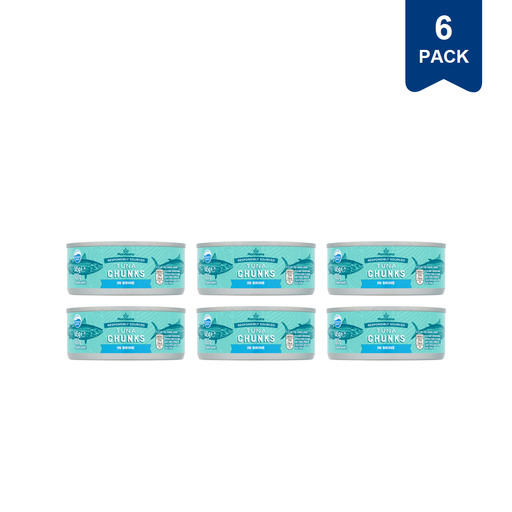 Image unavailable
For several savoury servings when brine is your preferred packing liquid. The six 145g tins need draining before the tuna is mixed into a filling; the product information also warns that bones may remain.
 Image unavailable
For making several fillings with spring-water tuna. The pack contains six 145g tins; drain the tuna before mixing it with other filling ingredients.
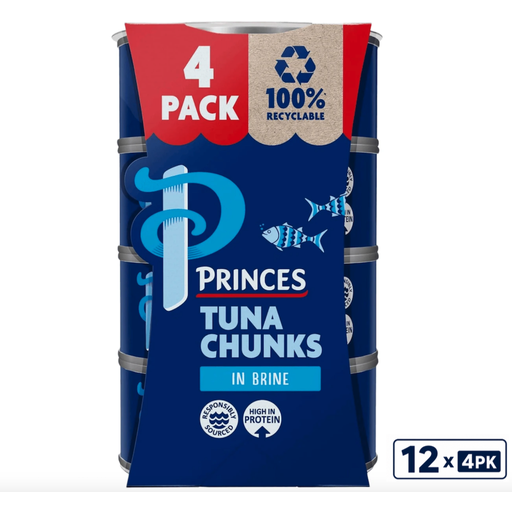 Image unavailable
For a larger quantity of brine-packed tuna across multiple meals. Check that the stated 4 x 145g x 12-pack bundle suits your storage space; drain the tuna before use and check the possible-bones warning.
Check the number of tins and the stated drained weight to judge how much tuna you can use in the filling. A no-drain pack and a standard tin involve different preparation steps, so check the format as well as the quantity.
Choose the packing liquid to suit the other ingredients in your savoury filling: spring water gives you a base to season, while brine and oil bring their own flavour. Check the exact product’s ingredients and nutrition panel rather than assuming tins with different liquids have the same composition.
Follow the instructions on the can. For its cited spring-water tuna, Asda says to transfer unused contents to a suitable non-metallic container, cover and refrigerate them, and use them within two days; the cited M&S product also says to refrigerate and eat within two days.
The NHS says people who are trying for a baby or are pregnant should have no more than four cans of tuna a week or two tuna steaks a week, because tuna contains higher levels of mercury than other fish.
Tuna is fish, and the cited product labels declare fish as an allergen. Check the exact pack before serving: some of the cited tins also warn that bones may remain.