Batch-preparation organisers
If you are making several savoury bakes, pack size and drained contents help you work out how many tins the recipe needs.


For several savoury bakes, a spring-water multipack makes sense when its drained contents match the recipe; a single tin may suit a smaller batch. A no-drain pack is worth considering when draining would slow preparation. Whichever format you choose, check the tin’s fish-allergen information, every added ingredient and the school’s allergy arrangements before serving.
If you are making several savoury bakes, pack size and drained contents help you work out how many tins the recipe needs.
You need to identify fish and the allergens in every other ingredient, keep an accurate recipe record and follow the school’s allergy arrangements when preparing and serving food.
If volunteers have limited preparation time, a no-drain format may simplify making fillings or toppings. The recipe quantity still needs checking against the pack contents.
Start with the recipe quantity and the event’s allergen arrangements, then decide whether draining time or a product-specific sourcing statement changes your choice.
| Concern | What to check | Who this matters to |
|---|---|---|
| Allergens and school arrangements | Read the physical tin label and every added ingredient; confirm the school’s allergy process. | When food will be served around pupils, I need to identify fish clearly and prevent ingredients or utensils being mixed up. About 31% of consumers put allergen information and the school’s handling process first. |
| Usable batch quantity | Compare drained contents where stated and work out how many tins the recipe requires. | For several bakes, I need enough usable tuna without choosing a pack solely by its weight including water. About 31% of consumers primarily need to plan the batch quantity. |
| Preparation time | Check whether the pack requires draining and follow its instructions for opened contents. | If volunteers are assembling fillings quickly, I want to avoid a draining step that holds up preparation. For about 25% of consumers, ease of preparation is the main concern. |
| Sourcing and format | Check the statement on the exact product and whether its tin or multipack size suits the recipe. | I may want a particular stated fishing method or pack format, but need to check it on the product I buy. Such product-specific preferences come first for about 13% of consumers. |
Tuna is fish; fish, crustaceans and molluscs are separate allergen categories. Pastry, mayonnaise, cheese or sauces can add other allergens to a tuna bake.
Record the exact ingredients used, identify fish explicitly and follow the school’s arrangements for preparation and service.
The weight on the front of a spring-water tin may not be the amount of tuna available after draining. That matters when a recipe needs a set quantity across several bakes.
Check the drained quantity where stated and calculate the number of tins from the recipe.
Retailers warn that ingredients and allergy information can change. A substituted tin may also differ from the one used during planning.
Read and retain the label from the tins actually used, and update the recipe’s allergen record if an ingredient changes.
A no-drain product removes a preparation step, but it does not remove fish-allergen checks, opened-product storage requirements or the possibility of minor bones.
Choose it when draining is a genuine bottleneck; otherwise, check whether a standard spring-water pack suits the recipe.
Tesco lists an own-label 145g tin of skipjack tuna chunks in spring water, a format to consider for a smaller recipe quantity.
Sainsbury's lists an own-label 4 x 145g spring-water pack for recipes needing several tins.
Asda lists an own-label 4 x 145g pack of skipjack tuna chunks in spring water for batch preparation.
The listed Princes spring-water tuna comes as a 4 x 145g pack for shoppers seeking that specific branded product.
John West has a listed standard 4 x 125g spring-water pack and a separate No Drain 3 x 100g pack.
M&S lists a 160g spring-water tuna tin with a product-specific pole-and-line statement.
These spring-water tins and multipacks cover smaller recipes, batch preparation and a no-drain option. Match the pack’s usable contents to your planned savoury bakes.
 Image unavailable
Consider this pack when draining tins would slow the assembly of several fillings or toppings. It is a no-drain 3 x 100g spring-water pack; check its usable quantity against the recipe. It contains fish, so check the physical label and the school’s allergy arrangements.
 Image unavailable
The six-pack format is worth checking when one recipe calls for several tins of spring-water tuna. Confirm the pack contents and drained quantity against the batch you plan to make. Tuna contains fish; use the physical label for the event’s ingredient record.
 Image unavailable
This four-tin spring-water pack suits a recipe that calls for multiple tins. Check the drained contents when planning portions, and do not treat this standard pack as the separate No Drain product. Check the physical label for fish-allergen and storage information.
 Image unavailable
A single 145g spring-water tin may suit a smaller filling or topping. For several bakes, check the drained contents against the recipe to work out how many tins are needed. Read the physical label and identify fish in the ingredient record.
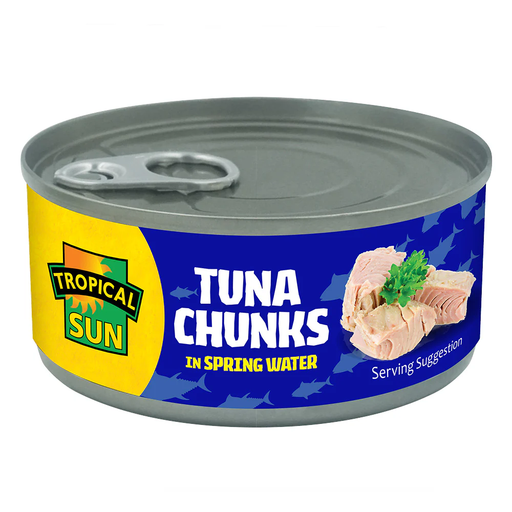 Image unavailable
This single 160g tin is an option when that format fits the planned recipe. Its preparation instructions call for draining, so allow for that step and check the usable contents. Read the physical label for fish and any precautionary allergen statements before using it.
No. Tuna is fish; fish, crustaceans and molluscs are separate allergen categories. Identify fish in a tuna bake, and check the physical tin label and all other recipe ingredients for additional allergen information.
Provide an accurate ingredient and allergen record for the item and follow the school’s allergy arrangements. For England, Department for Education guidance addresses schools’ allergy safety policies; Somerset Council distinguishes individuals occasionally providing food at voluntary sales from food businesses. The applicable duties depend on how and where the sale is organised, so confirm the arrangements with the school rather than assuming one rule covers every event.
Follow the storage instruction on the tin you use. Product instructions can differ: the listed Sainsbury's spring-water multipack, for example, says to refrigerate opened contents and use them within one day. Keep the label available so volunteers can follow the instruction for the actual product.
Consider it when draining standard tins would hold up preparation or make assembly messier. The listed John West No Drain pack is described as ready to use without draining, but you still need to match its contents to the recipe and carry out the same fish-allergen checks.