Parents making sandwiches or wraps
If visible pieces matter to the pupil, compare products labelled tuna steak or fillets with chunks-and-flakes formats. Check the packing medium too: it affects how you prepare the filling.


For recognisable pieces in a secondary-school sandwich, wrap or salad, look for tinned tuna labelled steak or fillets rather than assuming a chunks product has the same texture. If draining makes preparation awkward, check for a no-drain or drained-and-ready format; whatever you choose, check the fish-allergen label, the school’s food policy and the pack’s instructions for opened tuna.
If visible pieces matter to the pupil, compare products labelled tuna steak or fillets with chunks-and-flakes formats. Check the packing medium too: it affects how you prepare the filling.
A no-drain or drained-and-ready product can remove a preparation step. Check the serving information and opened-pack directions if some tuna will be left over.
Tuna contains fish. If the pupil has a fish allergy, do not pack tuna without appropriate individual advice; also check the exact label and the school’s rules on food brought in for lunch.
Start with the piece style and preparation instructions, then compare the exact packs for ingredients, nutrition and storage.
| Priority | What to check | Your needs |
|---|---|---|
| Piece style | Look for steak or fillets on the label if you want that named piece style. Princes describes its sandwich tuna as a mix of chunks and flakes, so check the product description rather than relying on the word tuna alone. | I want recognisable tuna pieces in a sandwich, wrap or salad, rather than a chunks-and-flakes filling. |
| Packing medium | Check whether the tuna comes in spring water, brine or oil. Compare the ingredients and salt figure on the exact pack; spring water does not establish the salt content by itself. | If I am mixing the tuna into a filling, I want to know what liquid comes with it and whether I will drain it. |
| Preparation and pack size | Check whether the label says no drain or drained and ready, and read its serving information. Sainsbury’s describes its 120g drained-and-ready tuna steak pack as containing two servings. | Draining is inconvenient on school mornings, but I still need a pack that works for the amount I plan to use. |
| Nutrition label | Compare protein and salt on the same basis, such as per 100g drained. Princes lists 23.5g protein and 0.85g salt per 100g drained for its Tuna Steaks in Spring Water; those figures belong to that product, not all water-packed tuna. | I want to compare the actual products, rather than assume that every tuna steak has the same nutrition values. |
| Fish and allergens | Read the exact ingredients and allergen declaration, and check the school’s packed-lunch policy. NHS guidance says fresh and canned tuna do not count as oily fish. | Before packing tuna, I need to know whether fish is suitable for the pupil and permitted under the school’s rules. |
| After opening | Follow the pack’s refrigeration and use instructions. Sainsbury’s directs buyers of its cited tuna steak pack to transfer opened contents to a non-metallic container, refrigerate them and use them within one day. | If I will use only part of a pack, I need a workable plan for the rest and for keeping the prepared lunch appropriately stored. |
Chilled fresh tuna is not the same ready-to-eat product as tinned tuna. Tesco’s cited chilled yellowfin steaks are sold defrosted with a pan-frying instruction.
For a no-cook filling, choose a tinned product with suitable preparation directions. If buying chilled tuna instead, follow its cooking, cooling and storage instructions.
The chilled route adds cooking and cooling to lunch preparation.
A taste description does not tell you whether fish is chilled or shelf-stable. Nor does ‘tuna steak’ mean that the pack contains raw fresh fish.
Check the product category, ingredients, storage directions and preparation instructions before choosing it for lunch.
NHS guidance says neither fresh nor canned tuna counts as oily fish.
If oily fish is part of your household’s food planning, do not count a tinned-tuna lunch as that serving.
Tuna contains fish, and opened tuna needs handling according to its pack. Chelmsford City Council advises keeping room-temperature preparation time as short as practicable.
Check the pupil’s needs and the school’s policy before packing tuna. Refrigerate unused contents and follow the exact product’s opened-life directions.
These examples show formats worth comparing; check the label of the exact product you intend to buy.
John West offers a No Drain Tuna Steak with a Little Spring Water format.
Princes lists tuna steaks in spring water as well as sandwich tuna made with chunks and flakes.
Sainsbury’s lists tuna steak in spring water in a multipack and a 120g drained-and-ready pack.
Tesco’s tinned-tuna range includes steak and chunk formats in different packing media.
These options focus on named tuna steak or fillet pieces for sandwiches and salads. The listed packs use oil; check each pack’s draining and storage directions if low-mess preparation is your priority.
 No image available
A tuna-steak option for a sandwich or salad when named steak pieces are the priority. It is packed in sunflower oil; check the can’s draining and opened-pack instructions before planning the lunch. Contains fish.
 No image available
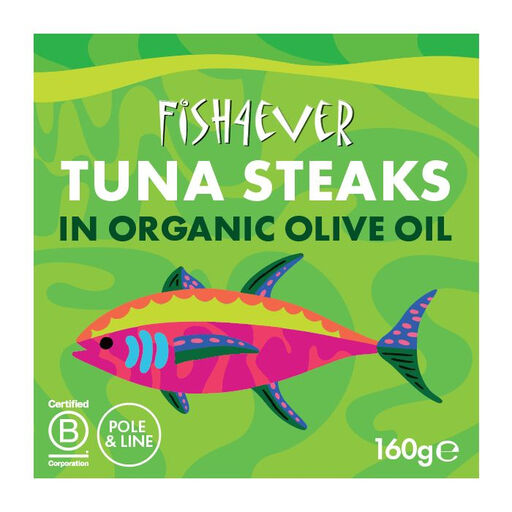
A 160g tuna-steak pack to consider when olive oil suits the intended filling. Check how much you will use and follow the pack’s opened-product directions for any remainder. Contains fish.
 No image available
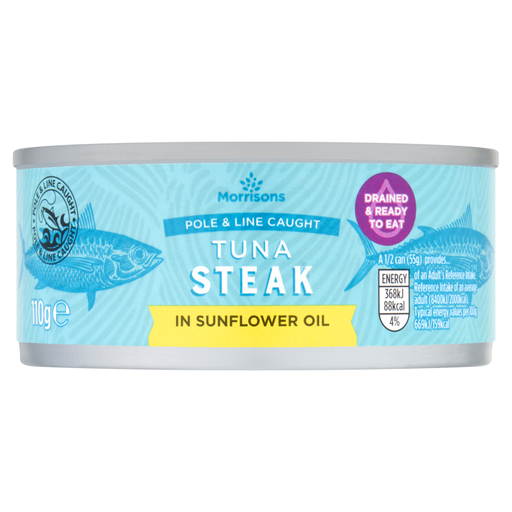
A 110g tuna-steak option packed with sunflower oil. If avoiding a draining step matters, check the exact can’s directions rather than relying on the product wording; follow its storage instructions after opening. Contains fish.
 No image available
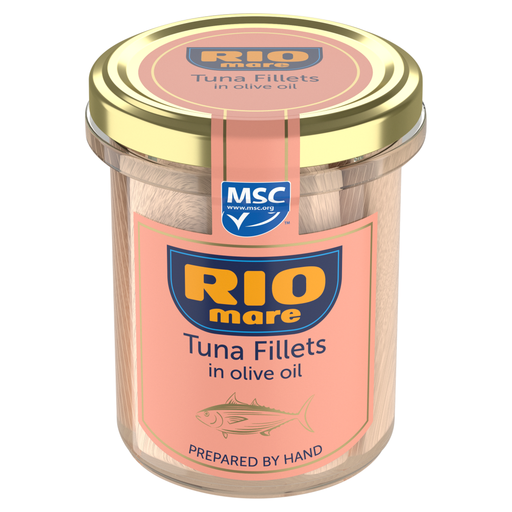
A fillet-labelled option in an 180g glass jar, packed in olive oil, for a sandwich or salad. Check the jar’s after-opening instructions if preparing less than the full contents. Contains fish.
No. A tinned tuna steak is a shelf-stable, ready-to-eat product, while a chilled fresh steak has different storage and preparation requirements. Tesco’s cited chilled yellowfin steaks, for example, are sold defrosted with a pan-frying instruction.
Choose by how the packing medium works in the intended filling, then compare the exact products’ ingredients and nutrition labels. A spring-water label alone does not tell you the salt content, and an oil-packed product may need different preparation for your recipe.
Do not pack tuna for a pupil with a fish allergy without appropriate individual advice. Tuna is fish; check the exact pack’s allergen declaration and the school’s food policy before preparing any fish-containing lunch.
Follow the exact pack’s refrigeration and use instructions. Sainsbury’s says opened contents of its cited tuna steak pack should be transferred to a non-metallic container, refrigerated and used within one day; Chelmsford City Council advises keeping room-temperature preparation time as short as practicable.
No. NHS guidance says fresh and canned tuna do not count as oily fish, so a tinned-tuna packed lunch should not be counted as an oily-fish serving.