What matters when choosing
For a late-night supper, decide what you want the tin to do in the meal: provide intact pieces, supply a base for your own seasoning or arrive already flavoured. Then compare the individual pack for the other checks that matter to you.
| Concern |
What to check |
Who this matters to |
| Texture and richness |
Check for steak or loin wording, the preserving oil and the drained weight. |
If tuna is going straight onto toast or potatoes, I want pieces that hold together and oil I can use in the dish. About 31% of consumers put the finished texture and richness first. |
| Speed and seasoning |
Compare a plain spring-water tin with a flavoured option; check whether the pack calls for draining. |
When supper needs to be quick, I might want either a plain tin to season my way or one that is already flavoured. Speed and control over seasoning are the primary need for about 31% of consumers. |
| Sourcing information |
Look for certification and catching-method claims on the exact tin, not just in a brand policy. |
I want to know what the product itself says about how its tuna was sourced before choosing between similar tins. That information comes first for about 23% of consumers. |
| Nutrition and safety labels |
Compare salt and fat on the same per-100g or per-serving basis; read the allergen statement and any bone warning. |
If ingredients or serving precautions affect my choice, I need the exact pack details before opening it. About 15% of consumers make those label checks their primary concern. |
Brands to compare
These ranges illustrate different cuts, preserves and sourcing statements. Compare the particular tin you intend to serve; a claim about one product need not apply across a brand’s range.
John West
John West UK offers spring-water chunks alongside other tuna formats, making its range relevant when you want a plain supper base.
- John West UK says its can code can trace fish to the catch area and boat.
- That traceability statement does not establish MSC certification for every John West tin; check the individual product.
Princes
Princes Food and Drinks lists spring-water chunks as well as other tuna cuts and formats.
- Its cited spring-water chunks list tuna and spring water as ingredients, a straightforward starting point for your own seasoning.
- Princes’ brand-level traceability statements should not replace checking the sourcing details on the tin you choose.
Tesco
Tesco Finest albacore tuna steaks in olive oil illustrate the steak-and-oil route for a supper built around tuna.
- Tesco Groceries describes the cited product as individually pole-and-line caught and packed with olive oil and extra-virgin olive oil.
- Check its drained weight and current availability rather than choosing by total pack weight or range name alone.
Sainsbury’s
The cited Taste the Difference albacore steak offers another olive-oil tuna format.
- Sainsbury’s describes MSC certification and pole-and-line catching for that particular product.
- Confirm the certification, ingredients and availability on the current product or pack before buying.
Asda
Asda’s cited lemon-and-thyme tuna is a flavoured, ready-to-eat alternative to preparing a plain tin yourself.
- Asda Groceries describes the cited tin as drained and ready to eat.
- Check its ingredients, salt declaration and product-specific sourcing information; Asda’s wider seafood policy does not certify every tin.
M&S
The cited M&S tuna steak in olive oil is relevant when you want a steak cut for a simple plated meal.
- Marks & Spencer describes that steak as pole-and-line caught skipjack.
- Its product information warns that bones may remain, so check the contents when serving.
Joybuy tuna selections
These tins cover three ways to put together a quick supper: an olive-oil steak for a tuna-centred dish, plain spring-water chunks for your own seasoning, and a sweet-chilli option when you want flavour already added.
 No image available
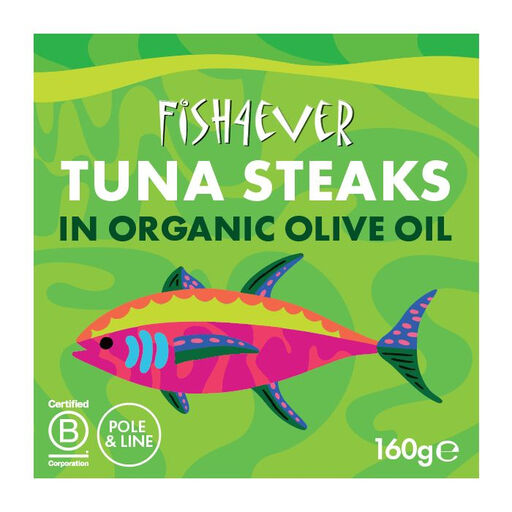
Fish4ever Tuna Steaks in Organic Olive Oil 160g
Consider this 160g steak tin when tuna will be the main part of a simple supper and an olive-oil preserve suits the dish. “Organic” describes the olive oil in the product name, not a certification claim for the tuna. Check the pack’s drained weight if the amount of fish per serving matters to you.
View on Joybuy
 No image available
John West No Drain Tuna Chunks in Springwater, 3 x 100g
Choose these spring-water chunks when you want a plain base for a sandwich, salad or pasta supper and intend to add your own flavour. The product name specifies a no-drain format and three 100g tins; check the pack’s serving directions and drained weight when planning portions.
View on Joybuy
 No image available
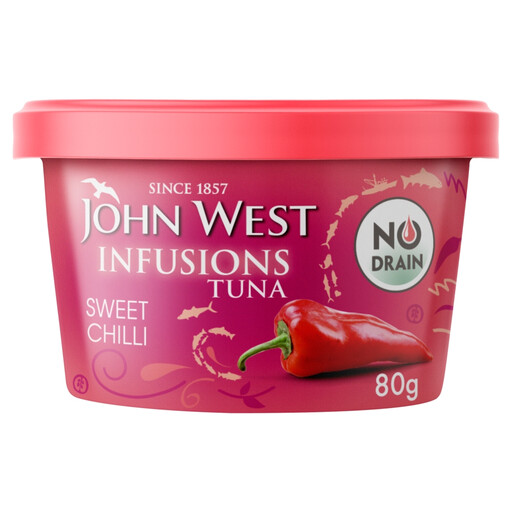
John West Infusions Tuna Sweet Chilli 80g
This 80g sweet-chilli tuna suits a quick serving when you would rather use a flavoured tin than season plain tuna. The built-in flavour gives you less control over the finished seasoning, so check the ingredients and nutrition panel against the meal you have in mind.
View on Joybuy
Questions about tinned tuna
What does “premium” tell me about a tin of tuna?
The word alone does not tell you the cut, preserving liquid or sourcing method. For a tuna-centred supper, compare whether the pack names a steak, loin or chunks, then check its drained weight, ingredients and product-specific sourcing claims.
Should I choose tuna in olive oil or spring water?
Choose an olive-oil steak if you want intact pieces with oil already in the dish; choose spring-water chunks if you plan to add your own dressing or sauce. Oil-packed and spring-water products can differ on their nutrition labels, so compare the exact tins using the same per-100g or per-serving basis.
How should I keep tuna left over from an opened tin?
Follow the storage instructions on that tin rather than treating opened tuna as shelf-stable. For the cited John West spring-water product, storage information supplied by One Stop says to refrigerate unused tuna and consume it within two days.
Does pregnancy change how much tinned tuna to have?
Yes. The NHS advises people who are pregnant or trying for a baby to have no more than four cans of tuna a week or two tuna steaks a week. Count tuna across meals rather than treating an olive-oil or premium-labelled tin as an exception.
What if someone eating the supper has a fish allergy?
Tuna contains fish, so it is not suitable for someone with a fish allergy. Check the exact product’s allergen statement, especially when choosing a flavoured tin with additional ingredients.


