What matters when choosing a can?
For an Easter food shop focused on tinned tuna, decide whether whole-piece presentation, recipe control, quick serving or provenance is your primary concern. Then check the particular product against that need.
| Concern |
What to check |
Who this matters to |
| Whole-piece presentation |
Look for steak or fillet-style wording; check pack weight and any bones warning. |
For a salad or platter with tuna on show, I want pieces I can place separately rather than stir through the dish. About 33% of consumers put whole-piece presentation first. |
| Packing liquid |
Check whether the tuna is packed in spring water, brine or oil, and compare labels on the same stated basis. |
When a salad already has dressing, I want to choose what the can adds to the recipe. Packing liquid is the primary concern for about 25% of consumers. |
| Serving effort |
Confirm any no-drain or ready-to-eat instruction on the exact pack; check how to store leftovers. |
For a quick lunch table, I want to open and portion the tuna without an extra draining step. Around 25% of consumers prioritise that convenience. |
| Provenance |
Look for the blue MSC ecolabel on the exact can if certification matters to you; read its species and sourcing information. |
If fishery credentials decide which can I buy, I need a mark on the product itself, not a general claim about a range. About 17% of consumers make provenance their primary concern. |
Tinned tuna steaks on Joybuy
These tinned tuna steaks offer sunflower-oil, olive-oil and brine-packed options for Easter dishes. Check preparation instructions before planning a ready-to-serve salad: the brine-packed Tropical Sun product is listed with a cooking requirement.
 No image available
Tropical Sun Tuna Steaks in Sunflower Oil
Consider this steak-style tuna for a salad or pasta dish where sunflower oil suits the recipe. The product information describes it as ready to eat; follow its instruction to transfer unused contents to a non-metallic container, refrigerate and use within 24 hours. Check the exact can if an MSC label is a purchase requirement.
View on Joybuy
 No image available
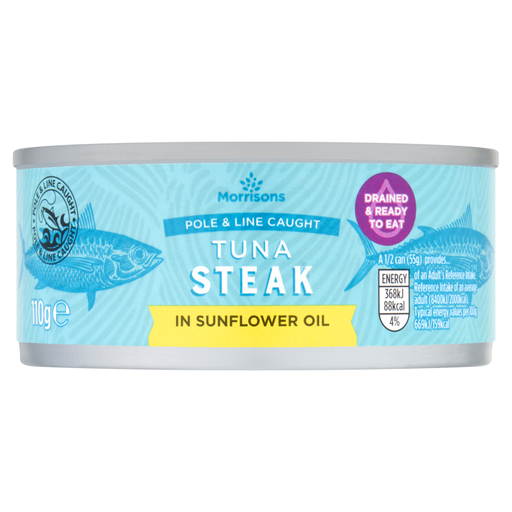
Morrisons Drained Tuna Steaks with Sunflower Oil 110 g
The 110 g sunflower-oil tuna steaks are an option for a dish where steak-style pieces suit the presentation. Check the physical pack before relying on no-drain serving: the product title says “Drained”, while its description also calls it “No Drain”. Follow the pack’s opened-storage instructions.
View on Joybuy
 No image available
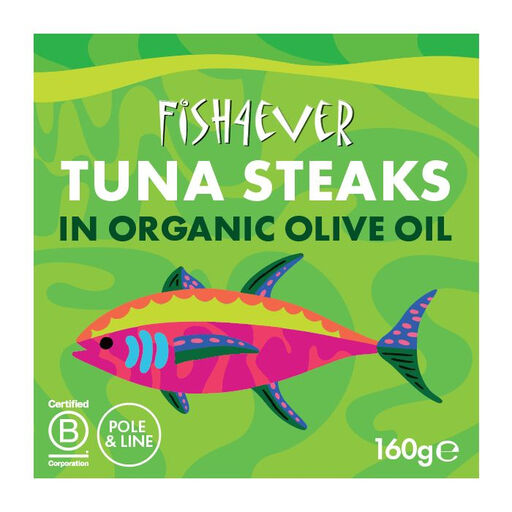
Fish4ever Tuna Steaks in Organic Olive Oil 160 g
Consider this 160 g olive-oil option where the recipe calls for steak-style tuna in oil. Check the physical pack for serving instructions before adding it directly to a salad. The product information says to refrigerate opened contents and consume them within two days; check the can itself if certification is important.
View on Joybuy
 No image available
Tropical Sun Tuna Steaks in Brine
This brine-packed steak is for a cooked dish, not a ready-to-serve salad or platter. Its product instructions say to drain it, cook thoroughly until piping hot and not eat it raw; they also state that it is unsuitable for children under 4 because of its texture. Transfer leftovers to a covered container, refrigerate and use within 24 hours, as directed.
View on Joybuy
Questions about tinned tuna
Is tinned tuna steak the same as a fresh tuna fillet?
No. A tinned tuna steak is a canned product, even when its name suggests a whole piece. M&S places its Tuna Steak in its tinned-fish range; choose fresh or frozen tuna separately if a recipe calls for a fresh fillet to cook.
Should I choose spring water or sunflower oil for an Easter salad?
Choose according to what you want the tuna to contribute to the finished salad. Spring water leaves the choice of dressing separate, while an oil-packed product brings its listed oil into the dish. Princes lists tuna and spring water for one steak product, and tuna, sunflower oil and salt for its oil-packed product; compare the exact labels.
How should I store leftover tinned tuna?
Follow the instructions on the can you opened. For its Tuna Steak, M&S says to move unused contents to a non-metallic container, refrigerate them and eat them within two days; another product may give different instructions.
Does tuna count as oily fish in NHS guidance?
No. The NHS states that fresh and canned tuna do not count as oily fish. If you are choosing food specifically for that category, do not treat a tuna steak as an oily-fish portion.
What does the blue MSC label mean on a tuna can?
The Marine Stewardship Council says its blue label identifies wild-caught seafood from fishing practices independently assessed against its environmental sustainability requirements. Look for the label on the exact can rather than assuming that every tuna product from a brand or retailer carries it.


