Sugar-label-first picnic shoppers
You want plain tuna with little or no listed sugar. The nutrition panel gives you a value to compare; it does not, by itself, establish a comparative ‘reduced sugar’ claim.


For a summer picnic, check the ‘of which sugars’ line on the exact plain-tuna tin rather than assuming ‘reduced sugar’ identifies a distinct type: plain examples listed by Tesco Groceries, Sainsbury’s and ASDA Groceries show 0g or less than 0.5g sugars per 100g drained. Then compare salt, packing liquid and serving format. A no-drain tin avoids emptying liquid outdoors, while opened leftovers need refrigeration as directed on the pack.
You want plain tuna with little or no listed sugar. The nutrition panel gives you a value to compare; it does not, by itself, establish a comparative ‘reduced sugar’ claim.
You are making sandwiches, wraps or salads and want to compare salt as well as sugar. The salt values on spring-water and brine examples differ, so check the particular tin rather than choosing by liquid alone.
You want to plan portions and limit draining or leftovers at the picnic. A clearly labelled no-drain format can remove the draining step; any tuna left after opening still needs the storage specified on its pack.
Start with the sugar value on plain tuna, then choose the salt level and serving format that fit your picnic. Being packed in spring water does not, on its own, establish a lower salt value.
| Concern | What to check | Who this matters to |
|---|---|---|
| Listed sugar | Compare ‘of which sugars’ per 100g drained on plain tins. Check the ingredients separately if considering flavoured tuna. | I want little or no listed sugar in the tuna I bring to a picnic, rather than relying on a ‘reduced sugar’ phrase. About 36% of consumers put confirming the sugar value first. |
| Salt and packing liquid | Compare salt per 100g drained on the exact spring-water or brine tin; consider the portion you plan to serve. | If sugar values are similar, salt may decide which plain tuna goes into my sandwiches or salad. For about 29% of consumers, that salt-and-liquid choice is the primary concern. |
| Serving and leftovers | Check whether draining is required, the tin size and the opened-product storage instructions. | At a picnic, I would rather open only the tuna we can serve and avoid handling excess liquid outdoors. Keeping serving practical comes first for about 21% of consumers. |
| Product-specific sourcing | Look for the catching-method or certification statement on the exact product, not just the brand name. | I want to know whether the tuna I choose carries the sourcing statement I am looking for. That is the main deciding need for about 14% of consumers. |
A nutrition value and a comparative claim answer different questions. Plain tins listed by Tesco Groceries, ASDA Groceries and Marks & Spencer show 0g or less than 0.5g sugars per 100g drained; those figures alone do not establish what another food contains.
Use the exact tin’s ‘of which sugars’ value to choose. If you switch to tuna in a sauce or seasoning, check its own ingredients and nutrition panel.
Tesco Groceries lists 1.00g salt per 100g drained for its brine tuna, while Sainsbury’s lists 0.12g per 100g drained for its spring-water example. These are product-specific values, not a rule for every brine or spring-water tin.
Compare both values on the tins you are considering before deciding which packing liquid suits your meal.
Unopened and opened tins have different storage needs. The product instructions described by Tesco Groceries, ASDA Groceries and Sainsbury’s call for opened leftovers to be refrigerated.
Open tins when you are ready to serve. If there are leftovers, follow the exact pack’s instructions for transferring, chilling and using them.
Opening more tuna than you can serve or keep chilled can leave food unused.
Bone warnings and statements about certification or catching methods belong to particular products; a brand name does not establish them across its range.
Read the exact tin for bone warnings and any sourcing statement that matters to your guests.
Its spring-water chunks and No Drain format offer different ways to serve plain tuna at a picnic.
A plain-brine option for shoppers planning portions from a multipack.
Its plain-brine tin provides a labelled option for comparing sugar and salt.
Its plain spring-water tin is one product to examine when salt matters alongside sugar.
Its plain spring-water tuna appears in both a 145g tin and a four-pack.
Its spring-water chunks are relevant if you want to check both nutrition and a stated catching method.
These plain-tuna selections cover a no-drain pack, spring-water tins and a brine multipack for picnic serving. Compare the exact sugar and salt labels, as well as how you will handle opened tuna.
 No image available
For serving tuna without a draining step at the picnic. This three-tin No Drain format is listed with 0g sugars per 100g; check the pack’s instructions for any contents left after opening.
 No image available
Four individual spring-water tins give you portions to plan around a group picnic. Check this exact pack’s sugar and salt panel, and confirm its draining instructions if avoiding that step matters.
 No image available
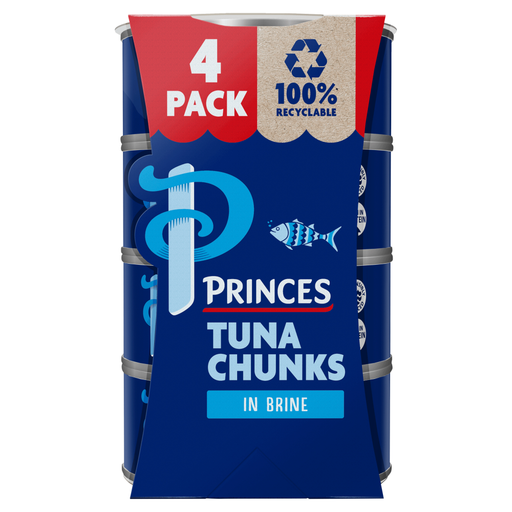
A brine multipack for preparing several picnic portions. Tesco Groceries lists 0.0g sugars and 0.90g salt per 100g drained for this pack; compare that salt value with alternatives if it matters to your choice.
 No image available
Six individual spring-water tins may suit a picnic with several portions to prepare. Check the exact tins’ sugar and salt values and plan how to refrigerate any opened leftovers.
 No image available
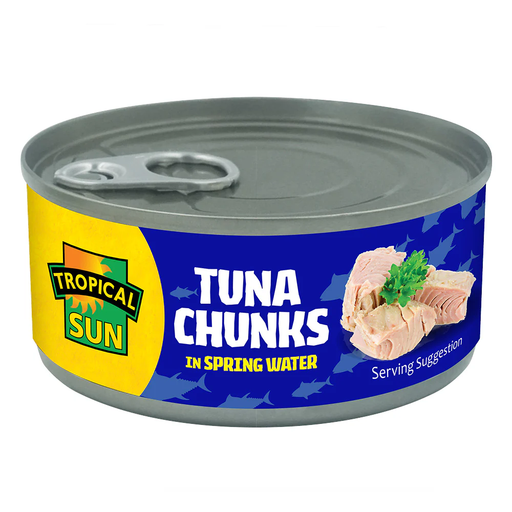
A single spring-water tin to consider when one 160g can fits your serving plan. Read its sugar and salt panel on the pack; for a like-for-like salt comparison, check whether the value refers to drained tuna.
No. A 0g value reports what the nutrition panel lists, while ‘reduced sugar’ makes a comparison. GOV.UK explains that rules apply to nutrition claims. For plain tuna, compare ‘of which sugars’ per 100g drained on the exact product rather than inferring a comparative claim from that value.
Either can have little or no listed sugar: the plain examples from Tesco Groceries, Sainsbury’s and ASDA Groceries show 0g or less than 0.5g sugars per 100g drained. If salt also matters, compare the tins’ salt values rather than assuming spring water is always lower.
Follow that tin’s storage instructions and refrigerate leftovers as directed. Product instructions described by ASDA Groceries include transferring unused contents to a covered, non-metallic container; the time allowed for refrigerated leftovers differs between products.
Check the ingredients and allergen information on the exact tin: tuna is fish and is unsuitable for someone with a fish allergy. GOV.UK’s UK prepacked-food guidance calls for ingredients, including allergens, and date information; also read any product-specific bone warning before serving.