Lower-sugar meal planners
People choosing a straightforward tuna base who want to check total sugars per 100g before combining it with other meal ingredients. The figure on the current tin matters more than a broad product description.


For a lower-sugar tuna base, start with plainly packed tuna and compare the “of which sugars” figure per 100g on the current label. Spring-water and brine examples listed by Tesco Groceries, Sainsbury's and Marks & Spencer have low listed sugar figures, but the packing medium alone does not settle the choice: check salt, fish allergy suitability, portion size and storage instructions for the recipient and meal plan.
People choosing a straightforward tuna base who want to check total sugars per 100g before combining it with other meal ingredients. The figure on the current tin matters more than a broad product description.
People for whom the salt figure could change the choice between plainly packed tins with similar sugar figures. Compare the recipient's meal requirements with the label of the particular product.
People arranging meals that are straightforward to serve, with a can size suited to the amount eaten. Draining needs and instructions for opened tuna can affect that plan.
For meals on wheels, compare the tuna's sugar and salt figures on the same per-100g basis, then check whether the can format fits preparation and serving. The NHS advises using per-100g nutrition information to compare foods.
| Concern | What to check | Who this matters to |
|---|---|---|
| Listed sugars | Read “of which sugars” per 100g and check the ingredients on the current tin. | When I am building a lower-sugar meal, I want to know the tuna's sugar figure before adding anything else. About 50% of consumers put that label check first. |
| Salt compatibility | Compare salt per 100g and check any salt limit in the recipient's meal plan. | If a recipient's meals have a salt restriction, a low sugar figure alone cannot settle my choice. Salt compatibility comes first for about 30% of consumers. |
| Serving and storage | Check can size, preparation instructions and the product's directions for leftovers; confirm fish allergy suitability before serving. | I need a tin that fits the portions being served without making preparation or leftover handling difficult. About 20% of consumers prioritise that practical fit. |
Plain tuna products can have low listed sugar figures while their salt figures differ. Packing medium is not a substitute for reading both lines of the nutrition panel.
Compare sugars and salt per 100g. If the recipient follows a specified salt limit, use that requirement when choosing the tin.
A per-serving figure from one tin and a per-100g figure from another do not describe the same quantity of food.
Use the per-100g figures for the initial comparison, then check the can's drained quantity and stated servings against the meal portion.
Sainsbury's instructs shoppers to use its 145g own-brand brine tuna within one day of opening; other product instructions in this selection allow two days. A planned second meal may therefore depend on which tin is opened.
Follow the exact tin's directions for transferring, refrigerating and using leftovers, and note when it was opened.
A short ingredient list does not make tuna suitable for someone with a fish allergy.
Check the recipient's allergy information and the exact product's ingredient and allergen statement before serving.
Tesco's own-brand plain skipjack chunks in spring water are an option for shoppers comparing supermarket-own-brand tins.
Princes has plain tuna examples in both spring water and brine, allowing the packing medium to be considered separately from can size.
Sainsbury's own-brand tuna chunks in brine offer a plainly packed 145g can for portion planning.
M&S has a plain spring-water tuna product with stated pole-and-line sourcing.
John West No Drain spring-water tuna is a format to consider when reducing preparation steps matters.
These Joybuy selections include a no-drain multipack and spring-water tuna in several can and pack sizes. Use the current nutrition label and preparation instructions to decide which fits the recipient's meal plan.
 Image unavailable
Consider this format when avoiding a draining step helps with meal preparation. Joybuy lists 0g sugars and 0.80g salt per 100g for this product; check the recipient's salt and fish allergy requirements and follow the tin's instructions for leftovers.
 Image unavailable
The four-can pack may suit a plan using separate tins across several meals. Compare the current sugar and salt figures per 100g, and check this variant's preparation instructions if draining affects serving.
 Image unavailable
This six-pack offers separate 145g cans for a meal plan requiring several tins. Check the current nutrition label for sugars and salt, and confirm opening and draining instructions if they matter to the person preparing the meals.
 Image unavailable
A single 145g can may be easier to match to a smaller meal schedule than a multipack. Read its current sugar, salt and storage information, and check the opening and draining instructions before relying on a particular serving method.
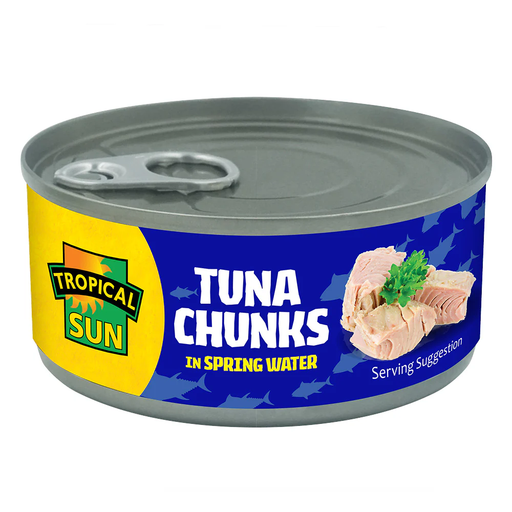 Image unavailable
This 160g can is an option when that size fits the planned meal. Check the label's basis for its per-100g nutrition figures before comparing it with drained-tuna values, and follow the stated draining and allergen instructions.
The NHS food-label guide describes 5g of total sugars or less per 100g as low. Compare the “of which sugars” figure per 100g on the current tin rather than relying on a search term or comparing unlike serving sizes.
No. Check salt and the other ingredients in the planned meal as well. Plain tins listed by Tesco Groceries, Sainsbury's and Marks & Spencer show that products with low listed sugars can have different salt figures.
Follow the storage directions on the exact tin, including how to transfer and refrigerate leftovers. Sainsbury's specifies use within one day for its own-brand 145g brine tuna, while some other product instructions specify two days.
Yes. NHS pregnancy guidance says not to eat more than four cans of tuna or two tuna steaks a week. Check how tuna in delivered meals fits that guidance for a pregnant recipient.
Tuna contains fish. Check the recipient's allergy information and read the ingredient and allergen statement on the exact tin before including it in a meal.