Taco and tostada filling planners
If you are mixing tuna with beans, salsa or lime, the packing liquid and amount of tuna left after draining affect how you assemble the filling.


Choose tuna chunks in spring water if you want to season a taco, tostada or bean filling yourself. Sunflower-oil tuna suits a recipe where you want oil in the tuna component; a labelled no-drain pack suits quick assembly when avoiding the draining step matters more. Check the exact tin’s drained weight, ingredients and storage instructions before planning the meal.
If you are mixing tuna with beans, salsa or lime, the packing liquid and amount of tuna left after draining affect how you assemble the filling.
If you are keeping several tins for flexible meals, check the drained quantity and number of tins rather than planning a recipe from the front-of-pack weight alone.
If you want to put a filling together quickly, a pack explicitly labelled no-drain may spare you a preparation step. Check how any unused tuna should be stored.
Start with the filling: spring-water chunks leave the added oil and seasoning to your recipe, while sunflower-oil chunks bring oil with the tuna. John West UK describes its No Drain range as ready to use; check the particular pack rather than assuming every tin of spring-water tuna works the same way.
| Concern | What to check | Who this matters to |
|---|---|---|
| Seasoning and texture | Check for spring water or added oil, then choose chunks or steaks to suit how thoroughly you will mix the filling. | If I am adding salsa, lime and chilli, I want to decide how the tuna is seasoned. Seasoning control may be the primary concern for about 33% of consumers. |
| Usable quantity | Plan from drained weight and the number of tins, not net weight alone. Tesco Groceries lists 102g drained for one 145g tin. | When I am feeding a group, I need to know how much tuna will go into the filling after draining. Around 25% of consumers may put usable quantity first. |
| Preparation | Check whether the exact pack says no-drain and read its opening and leftover-storage directions. | If the meal needs assembling quickly, I would rather not drain several tins. Avoiding that step could be the main concern for about 25% of consumers. |
| Labels and sourcing | Read the fish allergen declaration, bone warning and any sourcing statement on the exact can. | Before serving others, I want to check the ingredients and any sourcing claim myself. For about 17% of consumers, those label checks may come first. |
Liquid is included in a tin’s net weight. Tesco Groceries lists a 145g tuna tin with 102g drained, so the two figures answer different questions.
Use the drained amount on the pack when deciding how many tins your filling needs.
Princes lists tuna, sunflower oil and salt in its sunflower-oil chunks. Oil is therefore part of that ingredient choice, unlike the tuna-and-spring-water examples listed by Tesco Groceries and Sainsbury’s.
Read the exact ingredient list before deciding which ingredients to add to the filling.
Ingredients, warnings and storage directions need to be checked for the product you will serve, particularly when choosing between variants.
Read the current can for allergens, any bone warning, its best-before date and its post-opening instructions.
Unused tuna needs attention after opening; the directions may differ between products.
Choose tin sizes with your planned filling in mind, and follow the storage instructions on each opened pack.
Its range includes a No Drain spring-water option for a filling you want to assemble without draining.
Its sunflower-oil chunks offer an oil-packed option when that ingredient suits the filling.
Its spring-water chunks offer a straightforward format for a filling seasoned separately.
Its cited spring-water chunks are another option for a filling with separately added seasoning.
Its cited tuna chunks in spring water provide a single-tin format to compare with multipacks.
Its tinned-fish range includes chunks and steaks, giving you a format choice for mixed fillings or visible pieces.
These tins cover spring-water chunks for fillings seasoned at the table or in the bowl, a labelled no-drain option for quicker assembly, and sunflower-oil chunks when the recipe calls for an oil-packed component.
 Image unavailable
Consider this pack when you want to assemble a tuna-and-bean filling without draining the tuna first. It contains three 100g tins; check the can’s ingredients and storage directions before serving or keeping leftovers.
 Image unavailable
These spring-water chunks suit a filling whose salsa, lime or chilli you will add yourself. The pack contains four 125g tins; check the specific cans for draining instructions and drained weight before planning portions.
 Image unavailable
A single tin is an option when your filling calls for a smaller planned quantity. It is labelled as 145g tuna chunks in spring water; use the drained weight on the can to work out how much tuna the recipe will receive.
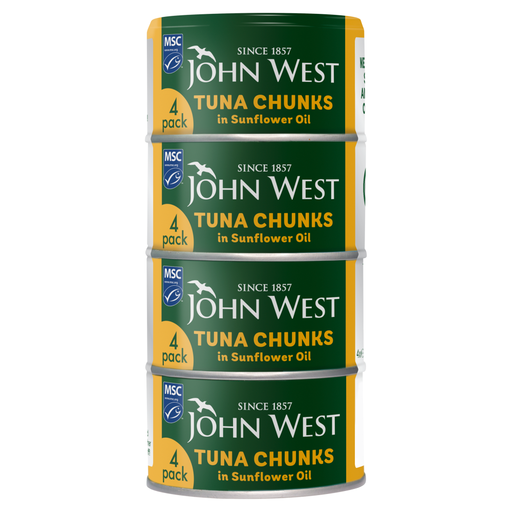 Image unavailable
Choose an oil-packed component only if sunflower oil suits the filling you plan to make. This pack contains four 125g tins; check the can for its drained weight and any bone warning before serving.
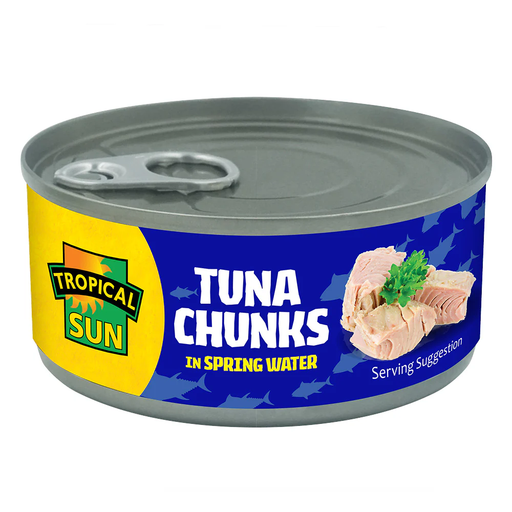 Image unavailable
This single spring-water tin is another starting point for a separately seasoned filling. It is labelled as 160g; check the current can for its drained weight and full allergen information, including any precautionary warnings.
Use spring-water chunks when you want to choose the filling’s added oil and seasoning yourself. Choose sunflower-oil chunks if you want oil in the tuna component; Princes lists tuna, sunflower oil and salt for its cited product.
Work from your recipe’s required quantity of tuna and the drained weight on each tin, rather than net weight alone. Tesco Groceries lists 102g drained for its cited 145g tin; another pack size can give a different usable quantity.
Follow the storage directions on the exact can, including its instructions for transferring and refrigerating unused contents. Plan a second use only within that product’s stated post-opening period.
Tuna is fish, so it is not an option for someone who needs to avoid fish. Check the current labels of every component in the meal; the Food Standards Agency states that food products must indicate the presence of the main allergens used as ingredients.
No. Look for the claim on the exact product you intend to buy rather than extending a statement about one tuna line to another format or pack.