Everyday pantry meal planners
Shoppers who want tinned tuna ready for sandwiches, pasta and other meals made from cupboard ingredients.


Choose unopened tinned tuna for a cupboard reserve; fresh tuna needs refrigeration and belongs in a planned cooked meal. Chunks suit dishes where the fish is mixed through, while tinned steaks or fillets suit meals where you want a more intact piece. Before stocking up, check the exact pack for its cut, packing liquid, drained weight and storage instructions.
Shoppers who want tinned tuna ready for sandwiches, pasta and other meals made from cupboard ingredients.
Shoppers deciding whether chunks will do for mixed dishes or whether a more intact tinned steak or fillet matters for serving.
Shoppers who need to check packing liquid, salt, fish allergen information, opened-pack storage or applicable pregnancy guidance before buying several tins.
Decide whether the tuna must live in the cupboard or is for a planned chilled meal. For tins, choose the cut for the dishes you make, then compare the individual labels.
| Concern | What to check | Who this matters to |
|---|---|---|
| Cupboard or chilled storage | Check the storage instructions and whether the pack has a best-before or use-by date. The M&S fresh yellowfin product specifies refrigeration at 0°C to +5°C. | If I need tuna on hand without planning a fresh-fish meal, unopened tins fit that cupboard role. About 40% of consumers put pantry storage first. |
| Chunks or intact pieces | Check whether the tin contains chunks, steaks or fillets, and compare drained weights when considering different pack sizes. | For tuna mixed into sandwiches or pasta, I can choose chunks; for a visible piece in a salad, I would look at steaks or fillets. About 30% of consumers put the cut first. |
| Packing liquid and label | Read the ingredients, packing liquid, salt per 100g and fish allergen declaration on the exact product. | If I am choosing between spring water, brine and oil, the individual ingredient and nutrition panels matter more than the cut alone. About 20% of consumers put label comparisons first. |
| Applicable safety checks | For pregnancy or when trying for a baby, check NHS tuna guidance; check the pack's fish allergen declaration where relevant. | When planning tuna for a household affected by pregnancy guidance or fish allergy, I need to make those checks before stocking up. About 10% of consumers put them first. |
The fresh yellowfin tuna described by M&S must be refrigerated at 0°C to +5°C and cooked; it is not an ambient substitute for an unopened tin.
Buy fresh tuna for a planned cooked meal. For a cupboard reserve, choose tinned tuna and follow its storage label.
Spring-water and brine products have different formulations. One product's nutrition panel cannot stand in for every tuna tin packed in the same liquid.
Compare salt per 100g and ingredients on the specific packs you are considering.
Opened-life instructions vary: the cited Sainsbury's chunks say to use refrigerated leftovers within one day, while the cited Asda steak gives two days.
Transfer leftovers to a non-metallic container, refrigerate them and follow the period on your product's label.
A reference point for tinned chunks and no-drain formats.
Offers chunks and tinned steaks for different serving styles.
Its tinned-tuna range includes both chunks and steaks.
An own-label reference for spring-water chunk multipacks.
An own-label reference for tinned steaks in brine.
Lists tinned chunks, steaks and fillets as well as fresh yellowfin tuna.
These tinned chunks and steaks are options for cupboard meals. Choose chunks when the tuna will be mixed through a dish, or consider steaks when you want a more intact piece; check each pack's label for storage after opening.
 Image unavailable
A chunk format to consider for sandwiches or pasta made from cupboard ingredients. The pack contains six 145g tins; follow its instructions for refrigerating and using leftovers after opening.
 Image unavailable
Spring-water chunks for meals such as sandwiches and pasta. The four-tin pack suits shoppers who want several separate cupboard portions; check its directions for any leftovers.
Image unavailable
A tinned steak option when you want a more intact piece for a salad or simple plate. It is packed in sunflower oil; follow the pack's instructions for refrigerating any remainder after opening.
 Image unavailable
Brine-packed chunks to consider when the tuna will be mixed into a meal. The pack contains four 145g tins; check the exact label before comparing its nutrition figures with products stated per 100g drained.
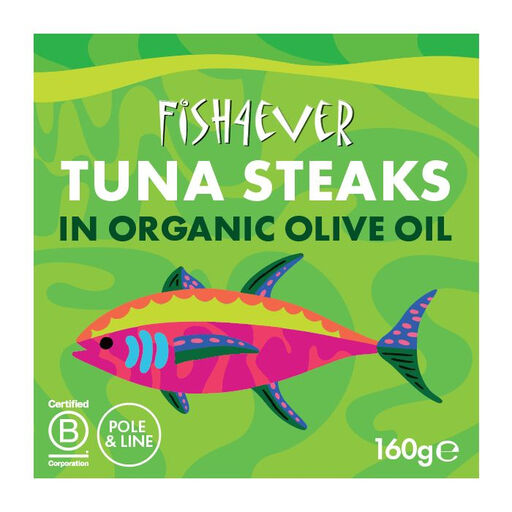 Image unavailable
A tinned steak option for a meal where the pieces remain visible. It is packed in olive oil; use the exact label when comparing nutrition, as figures per 100g should be compared on the same basis.
No, not as an ambient cupboard reserve. The cited M&S fresh yellowfin tuna requires refrigeration at 0°C to +5°C and cooking; unopened tinned tuna is the option to consider for cool, dry cupboard storage, subject to its label.
Follow the instructions on your tin rather than assuming every product has the same opened life. The cited Sainsbury's chunks call for transfer to a non-metallic container, refrigeration and use within one day; the cited Asda steak gives two days for refrigerated leftovers.
For people who are pregnant or trying for a baby, the NHS says not to eat more than four cans of tuna or two tuna steaks a week. Consider that guidance when deciding how much tuna to stock for weekly meals.
No. GOV.UK explains that best-before dates concern quality, while use-by dates concern food safety. Read the date and storage instructions on the particular tuna product; do not apply a tin's best-before rule to chilled fish with a use-by date.