Choose tinned tuna steak when canned fish can be flaked into the meal; a drained or no-drain pack is worth considering if draining and liquid disposal make preparation harder. Check the portion, salt and instructions on the exact pack. If the recipe requires an uncooked fresh tuna fillet, shop for fresh fish instead: a tin labelled “tuna steak” will not meet that requirement.
Who is this for?
Low-handling meal planners
If meals are prepared for delivery or assisted eating, draining a tin, dividing portions and storing leftovers all affect the routine. Drained and no-drain packs offer different ways to reduce handling; check each pack's instructions before planning the meal.
Protein and salt label checkers
When a recipient's meal plan calls for attention to protein or salt, compare the current packs on the same per-100g or per-serving basis. Include sauces and sides when considering salt across the finished meal.
Traceability-focused tuna buyers
If catch method or certification affects the choice, look for a statement on the particular product. Sainsbury's describes its drained-and-ready tuna as coming from a fishery certified to the MSC's environmental standard; that statement does not apply to every tuna tin.
What matters when choosing?
Decide whether the dish needs uncooked fish before comparing tins. If canned tuna suits the recipe, choose a format that fits the preparation routine and check the complete meal, not just the packing liquid.
Tinned tuna steak in spring water
Choose when: Canned steak pieces can be flaked into the dish and spring-water packing suits the recipe.
Keep in mind: A standard tin may still need draining, and its salt and opened-pack instructions need checking.
Drained or no-drain tinned tuna
Choose when: Less draining and liquid disposal would simplify preparation. Sainsbury's lists a drained-and-ready Princes steak, while a John West pack carries a no-drain statement.
Keep in mind: Convenient handling does not establish a suitable portion or salt level; compare the exact packs.
Fresh tuna fillet
Choose when: The recipe specifically needs an uncooked fillet to cook.
Keep in mind: Fresh fish has different purchase and handling requirements from an unopened tin; the word “steak” on a can does not make it fresh.
| Concern | What to check | Who this matters to |
|---|
| Handling and portions |
Drained or no-drain wording; pack size and opened-pack instructions. |
When meals must be assembled with little time or access to a sink, avoiding liquid disposal matters more to me than the type of tuna piece. About 40% of consumers put easier handling first. |
| Protein and salt |
Protein and salt on a comparable per-100g basis, then the amount used in the meal. |
If I am planning around a recipient's protein or salt requirements, I need the figures for the actual tin and the other ingredients. For about 30% of consumers, comparing the meal's nutrition is the primary concern. |
| Pieces, sourcing and recipe fit |
Steak versus chunks; product-specific catch or certification statements; whether the recipe needs fresh fish. |
I may need identifiable steak pieces or a particular sourcing statement, rather than the quickest tin to open. Around 30% of consumers place this product-and-recipe fit first. |
What should you watch for?
-
Assuming “tuna steak” means fresh fish
A canned tuna steak cannot take the place of an uncooked fillet in a recipe that requires one.
Check whether the tuna will be flaked into a dish or cooked from fresh, then choose the corresponding category.
-
Assuming spring-water packs have identical salt levels
The packing liquid alone does not tell you how much salt the finished meal will contain.
Compare salt on the current labels using the same per-100g basis, then consider the sauces and sides.
-
Opening more tins than the meal needs
Opened-pack instructions differ. Sainsbury's says to transfer its tuna-steak multipack contents to a non-metallic container, refrigerate and use within one day; Marks & Spencer specifies two days for its tuna steak in spring water.
Plan portions before opening, follow the particular pack's storage instructions and check for bones where chewing or swallowing is a concern.
Unused tuna may have to be discarded if it is not used within the pack's stated period.
-
Counting tuna as oily fish
The NHS says fresh and canned tuna do not count as oily fish.
If a menu specifically calls for oily fish, choose that component separately rather than treating a tuna dish as its replacement.
Brands to consider
John West
A no-drain option to consider when handling small tins is the priority.
- Sainsbury's lists the John West Tuna Steak with Spring Water 3 × 60g pack with a “No Drain, Less Mess” statement.
- Check the current pack's portion information and any bone warning for the intended recipient.
Princes
Its tuna-steak range includes a standard spring-water product and a drained-and-ready format.
- Princes lists tuna and spring water as the ingredients of its standard spring-water tuna steaks; Sainsbury's lists a Princes drained-and-ready product.
- Choose the format deliberately: “tuna steak” alone does not say whether draining is needed.
Sainsbury's
Its own-label tuna products include a drained-and-ready format and a spring-water multipack.
- Sainsbury's states that the tuna in its drained-and-ready product comes from a fishery certified to the MSC's environmental standard.
- Its spring-water multipack instructs users to refrigerate transferred contents and use them within one day of opening; follow the instruction on the pack being served.
M&S
A tuna-steak line to check for product-specific catch and traceability statements.
- Marks & Spencer describes its Tuna Steak as pole-and-line caught and traceable to Indian Ocean waters.
- For its Tuna Steak in Spring Water, Marks & Spencer instructs users to refrigerate unused contents in a non-metallic container and eat them within two days.
Joybuy tinned tuna selections
These tinned options cover no-drain spring-water chunks, oil-packed tuna steaks and a spring-water chunks multipack. Choose by the pieces and packing liquid the meal needs; none is an uncooked fresh fillet.
 Image unavailable
John West No Drain Tuna Chunks in Springwater, 3 × 100g
Consider this when avoiding draining matters and chunks suit the dish. The pack contains three 100g cans; these are chunks, not the steak pieces a particular recipe may require. Check the current pack's opened-can and bone guidance before serving.
View on Joybuy
 Image unavailable
Tropical Sun Tuna Steaks in Sunflower Oil
This is a tinned steak option when sunflower oil suits the intended dish. Check the pack for its usable portion, whether the oil needs draining and its instructions for any unused contents.
View on Joybuy
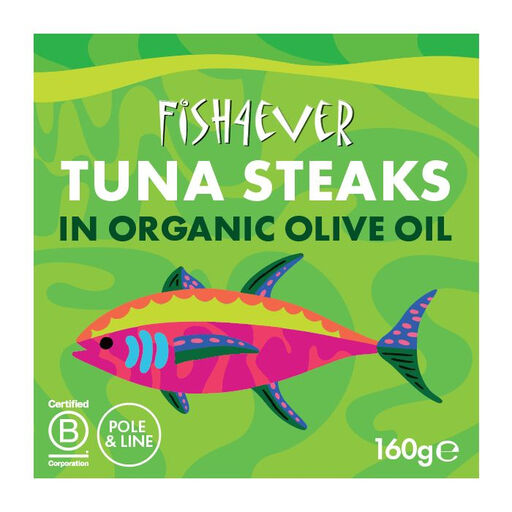 Image unavailable
Fish4ever Tuna Steaks in Organic Olive Oil, 160g
Consider this 160g tinned steak when olive-oil packing fits the recipe. Check the pack's serving instructions before using it in a meal that will not be cooked, and follow its directions for leftovers.
View on Joybuy
 Image unavailable
Morrisons Fad Free Tuna Chunks in Spring Water, 6 × 145g
This six-pack offers spring-water tuna chunks for meals where steak pieces are unnecessary. Plan portions using the usable amount shown on the pack, and check whether draining is needed.
View on Joybuy
Common questions
Is tinned tuna steak the same as a fresh tuna fillet?
No. Tinned tuna steak is canned fish; a recipe that calls for an uncooked fillet requires fresh fish instead. Check the recipe before using “steak” on a tin as a match.
Which tuna format involves less draining?
A pack described as drained-and-ready or no-drain is the relevant option when liquid disposal is the main obstacle. Sainsbury's lists a drained-and-ready Princes steak, while its John West spring-water steak carries a no-drain statement; check the actual pack size and pieces as well.
How should unused tuna be stored?
Follow the instruction on the tin you open. Sainsbury's specifies transfer to a non-metallic container, refrigeration and use within one day for its spring-water tuna-steak multipack; Marks & Spencer specifies refrigeration and use within two days for its Tuna Steak in Spring Water.
Does spring-water tuna automatically suit a meal where salt matters?
No. Compare salt on the current tins using the same per-100g basis, then account for the amount served and other ingredients. The NHS advises adults to have no more than 6g of salt a day; an individual meal plan may have different requirements.


