Cooks making a savoury tuna mixture
If your loaf, fishcake-style mixture or pasta bake calls for flaked tuna, the packing liquid and drained quantity affect how you add it to the recipe.


Choose drained tinned tuna when a savoury loaf, bake or fishcake-style recipe calls for flaked fish mixed into other ingredients. Frozen raw tuna fillets suit a recipe designed for cooked pieces of fish instead; follow their thawing and cooking instructions rather than treating them as a direct substitute. Neither choice makes tuna an ingredient for a conventional sweet cake.
If your loaf, fishcake-style mixture or pasta bake calls for flaked tuna, the packing liquid and drained quantity affect how you add it to the recipe.
If you will use only part of a pack, compare the can size with the amount your recipe needs and read that product’s instructions for storing opened tuna.
If fish allergy, salt content or pregnancy guidance affects the meal, check the current product label and consider tuna eaten in other meals as well as this bake.
Choose when: The savoury recipe calls for tuna to be drained and folded through a mixture as flakes.
Allow for: Spring water, brine and oil contribute differently to the mixture, so follow the recipe’s draining instructions.
Choose when: The recipe is designed for cooked pieces of fish rather than canned flakes.
Allow for: The fillets need raw-fish handling and thawing before cooking unless their instructions say to cook from frozen.
| Concern | What to check | Who this matters to |
|---|---|---|
| Moisture and packing liquid | Check the packing medium and drained weight; drain to the consistency your recipe requires. | If I need a mixture that will hold together, I want to control how much liquid or oil goes into it. About 46% of consumers put that control first. |
| Leftovers and storage | Compare pack size with the recipe quantity and follow the individual can’s opened-pack instructions. | When a bake uses less than a whole can, I need a plan for the remaining tuna before opening it. For about 36% of consumers, leftover handling is the primary concern. |
| Label suitability | Read the fish allergen declaration and salt value; consider NHS tuna guidance if pregnant. | If I am cooking around an allergy, comparing salt or planning tuna meals during pregnancy, the exact label and serving context matter most. That is the main need for about 18% of consumers. |
Tinned tuna and frozen fillets are savoury fish ingredients. A conventional sweet-cake formula is a different recipe, not a reason to choose one tuna format over another.
Confirm that you are making a savoury bake, loaf or fishcake-style dish before selecting the fish.
The can weight includes packing liquid, while a recipe may specify drained fish. Packing medium also matters: Princes lists 9.5g fat per 100g drained for its cited sunflower-oil chunks and 0.5g for its cited spring-water chunks.
Use the drained weight when the recipe calls for it, and account for oil as part of the mixture rather than assuming draining makes the formats equivalent.
The cited Sainsbury’s own-label tuna says to use opened contents within one day; the cited Tesco and M&S products say two days. The instruction depends on the product.
Transfer unused tuna to a covered, non-metallic container, refrigerate it and follow the time stated on its label.
Tuna contains fish and is unsuitable for someone with a fish allergy. Bones may remain in some products. For pregnancy, the NHS advises no more than four cans of tuna or two tuna steaks a week.
Check the current label, look for bones during preparation and include other tuna meals when planning weekly consumption during pregnancy.
The cited Sainsbury’s listing covers John West tuna chunks in brine in a four-pack of 125g cans, with 102g drained per can.
Princes Food and Drinks lists tuna chunks in spring water, brine and sunflower oil, giving cooks distinct packing media to compare.
The cited Tesco own-label spring-water examples include a four-pack and a 400g can, relevant when comparing pack size with a recipe.
The cited Sainsbury’s own-label spring-water chunks are a four-pack option for a savoury mixture.
The cited M&S spring-water chunks offer another tinned format to compare with the recipe’s required fish quantity.
These tinned tuna chunks suit savoury recipes calling for drained, flaked fish. The spring-water choices avoid an oil-packed format; the sunflower-oil choice is for a recipe where that packing medium fits the mixture.
 No image available
Consider this six-pack when a savoury mixture calls for tuna chunks in spring water across several portions. Check the drained weight on the pack if your recipe specifies the quantity of fish after draining.
 No image available
This four-can pack is an option for a savoury bake that needs flaked tuna without an oil-packed format. Use the drained quantity required by the recipe and check the pack for its drained weight.
 No image available
The single-can format may suit a smaller savoury recipe when tuna chunks in spring water are called for. The 145g can weight is not the drained weight; check the label if the recipe specifies drained tuna.
 No image available
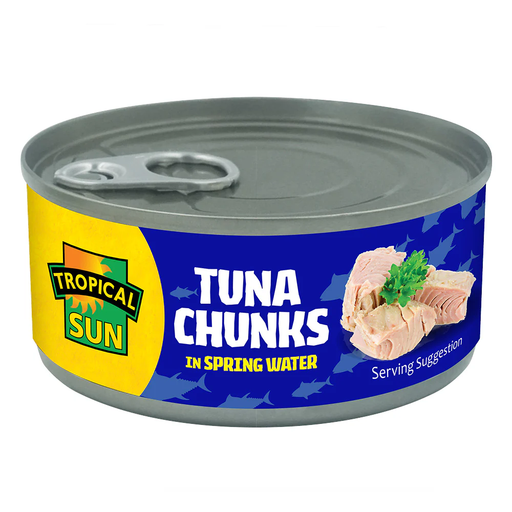
For a savoury mixture using tuna chunks in spring water, drain this 160g can as the recipe directs. Check the label’s drained weight before using a recipe quantity stated for drained fish, and read its allergen information before serving.
 No image available
Choose this four-can format only when sunflower-oil-packed tuna fits the savoury recipe; do not treat it as interchangeable with spring-water tuna in a mixture where added oil matters. Check the drained weight for recipe quantities and look for bones while preparing.
No: the relevant choice here is for a savoury tuna bake, loaf or fishcake-style mixture, not a conventional sweet-cake recipe. Decide on the dish before choosing tinned tuna or frozen fillets.
Use spring-water tuna when the recipe calls for drained flakes without added oil; choose brine or oil only if their contribution fits the mixture. For the cited Princes products, brine contains 0.9g salt per 100g drained versus 0.85g for spring water, while sunflower-oil tuna contains 9.5g fat per 100g drained. These figures describe those variants, not every tin in each format.
Follow the exact product label and transfer unused tuna to a covered, non-metallic container in the fridge. The cited Sainsbury’s own-label product says to use it within one day, whereas the cited Tesco and M&S products say two days.
Only use frozen raw fillets where the recipe is designed for cooked pieces of fish rather than canned flakes. GOV.UK guidance says food must be fully defrosted before cooking unless the manufacturer’s instructions say it can be cooked from frozen; follow the fillets’ handling instructions.
Tuna is fish and is not suitable for a person with a fish allergy. During pregnancy, the NHS advises no more than four cans of tuna or two tuna steaks a week, so account for tuna eaten in other meals as well as the bake.