Households stocking several meals
Multipacks can keep individual tins ready for separate meals. Compare the number of tins and their drained quantities so the usable portions suit your household.


For a flexible pantry staple, start by considering spring-water tuna in a pack size that fits the meals you make. Brine and oil offer different ingredients and flavours, while a no-drain pack reduces preparation; compare the exact labels for drained quantity, salt, storage instructions and any sourcing claim before stocking several tins.
Multipacks can keep individual tins ready for separate meals. Compare the number of tins and their drained quantities so the usable portions suit your household.
If tuna regularly goes into sandwiches, salads, pasta or jacket potatoes, choose the packing liquid with the recipe in mind. Ingredients and nutrition differ between named spring-water and oil-packed products, so read the exact label.
A no-drain format can matter when you want to use tuna straight away. If fishing method or certification matters instead, look for the claim on the specific pack rather than assuming it applies across a brand.
For pantry stocking, settle on a usable portion size, then choose the packing liquid and decide whether preparation or a product-specific sourcing claim changes your choice.
| Concern | What to check | Who this matters to |
|---|---|---|
| Usable quantity | Compare tin count, net weight and drained weight. Choose individual tins that fit the meals you normally prepare. | If I am stocking tuna for several meals, I want to know how much I can use from each tin, not just the pack’s total weight. About 42% of consumers would put usable quantity first. |
| Liquid and ingredients | Check whether the tuna is in spring water, brine or oil, then read the ingredients and salt, fat and energy values on the exact label. | For sandwiches or pasta, I may want a particular flavour or amount of packing liquid in the dish. Liquid and ingredients would be the primary concern for about 33% of consumers. |
| Ease of use and sourcing | Confirm whether draining is needed and check any fishing-method or certification claim on the specific product. | When I need tuna ready to add to a meal, preparation matters; alternatively, a particular sourcing claim may decide which tin I pick. About 25% of consumers would make ease of use or an exact sourcing claim their first consideration. |
A tin’s stated size and its drained quantity answer different questions when you are planning meals.
Check the drained weight alongside the tin count before deciding how many packs to keep.
Water, brine and oil change the ingredient list, and nutrition values depend on the exact product.
Choose a liquid for the intended dish, then compare the labels using the same stated nutrition basis.
A fishing-method or certification statement for one named tuna product does not establish the claim for every variant.
Check the wording on the tin you intend to buy, including the named method or certification.
A larger portion may leave tuna to store after the meal. Instructions after opening can be product-specific.
Match tin size to your usual portions and follow the pack’s storage and open-life directions. Food Standards Scotland advises checking food labels for storage instructions.
Offers conventional tuna chunks and a distinct No Drain range, including named spring-water and brine formats.
Its named tuna products include chunks in sunflower oil and multipack spring-water formats.
Tesco grocery listings include own-label spring-water tuna in a 400g can and a 4 x 145g pack.
Its named spring-water tuna products include single tins and multipacks.
Its own-label 4 x 145g spring-water tuna pack is a multipack option for separate pantry portions.
Its named 160g spring-water chunks may interest shoppers checking fishing-method statements.
These packs cover spring-water and brine chunks for multiple meals, plus a no-drain sunflower-oil option for quicker preparation. Choose the liquid and tin count that suit your routine, then check each pack’s drained quantity and label.
 No image available
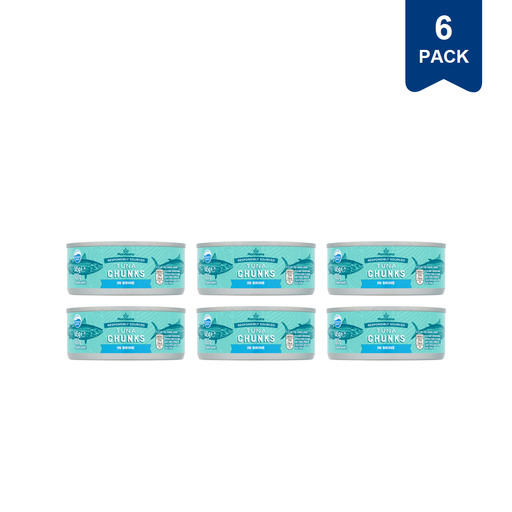
The six tins suit a pantry where brine-packed tuna is used across separate meals. The listed ingredients include skipjack tuna, water and salt; check the drained quantity per tin when planning portions. The product information says to refrigerate opened contents in a non-metallic container and use within two days, and warns that small bones may remain.
 No image available
This six-tin spring-water pack offers individual tins for salads, sandwiches or pasta. Check the drained quantity per tin against your usual portions. Its product information says to refrigerate opened contents in a non-metallic container and use within two days.
 No image available
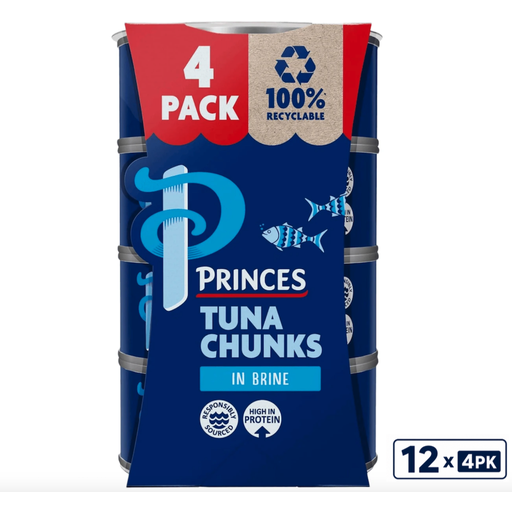
This larger bundle suits a household that expects to use brine-packed tuna regularly and has space for the stated number of tins. Check that the individual drained portions fit your meals. The product information identifies fish as an allergen, warns that small bones may remain and gives instructions for opened contents.
 No image available
Four smaller spring-water tins may fit meals that call for individual portions. If avoiding a draining step matters, check this exact pack rather than assuming it is a No Drain variant. Follow its instructions for refrigerating and using opened contents.
 No image available
The three-can No Drain format is for meals where you want to add tuna without a draining step. This variant is in sunflower oil, not spring water; read its exact ingredients and nutrition panel if the liquid affects your choice. The product information identifies fish as an allergen and says some bones may remain.
Choose the liquid according to the meals you plan to make and the ingredients you want in them. Princes lists sunflower oil and salt in its oil-packed chunks; for any two tins you are comparing, use their exact labels and the same stated nutrition basis rather than assuming the liquids make no difference.
Follow each pack’s storage instructions and keep the date visible when arranging tins. GOV.UK distinguishes a best-before date, which concerns quality, from a use-by date, which concerns safety; do not treat the two labels as interchangeable.
Follow the exact product’s storage and open-life instructions. Food Standards Scotland advises checking labels for refrigeration directions after opening; the listed Morrisons packs specify refrigeration in a non-metallic container and use within two days.
Tuna is fish, and the Food Standards Agency lists fish as an allergen category. Check the declaration on the specific tin and the ingredients of anything you serve with it.