Cupboard-stock shoppers
If you use tuna across several meals, compare can size and drained weight rather than choosing by the number of tins alone. Tesco and Sainsbury's list chunks in different pack formats.


Choose tinned chunks for mixing into meals, drained or no-drain tuna for lunches needing little preparation, and labelled fillets or steaks when you want visible pieces. These are cupboard products, not chilled fresh fish to cook. Before placing an online grocery order, check the drained weight, packing medium, allergen information and exact delivery listing.
If you use tuna across several meals, compare can size and drained weight rather than choosing by the number of tins alone. Tesco and Sainsbury's list chunks in different pack formats.
For a sandwich, salad or desk lunch, a drained or no-drain product can remove a preparation step. John West describes its no-drain tuna steak as ready to eat without draining; Princes also lists a ready-to-use drained range.
If the tuna will be served as visible pieces, look for a tinned steak, loin or fillet listing and check its packing medium. If certified sourcing matters, check the label on the exact product rather than assuming it applies across a range.
For an online grocery order, decide whether usable quantity, less draining, intact pieces or product-specific checks will most affect your choice. Tinned fillets and chilled fresh fillets are separate purchases: order from the chilled fish section if you want fresh tuna to cook.
| Concern | What to check | Who this matters to |
|---|---|---|
| Usable quantity | Compare drained weight per can and the number of cans you will use. | When stocking up for pasta or sandwiches, I want to know how much tuna remains after draining, not just how large the tin looks. About 31% of consumers put usable quantity first. |
| Less draining | Look for drained or no-drain wording on the exact variant; check its packing medium. | A lunch taken to work is easier to prepare when there is little or no liquid to dispose of. For about 23% of consumers, avoiding that step is the primary need. |
| Intact pieces | Check whether the listing says chunks, steak, loin or fillets, and whether the product is tinned or chilled. | If I am serving tuna visibly in a salad or on toast, the piece format matters more than it would in a mixed filling. About 23% of consumers prioritise intact pieces. |
| Product-specific checks | Read the exact pack's allergen, nutrition and certification information; if pregnant, follow NHS tuna guidance. | When an ingredient, dietary requirement or sourcing claim determines what I can order, a category name is not enough. Those checks come first for about 23% of consumers. |
A tin can include packing liquid, so its total weight and drained weight answer different questions.
Check the drained weight on each listing, particularly when comparing different can sizes or multipacks.
Retailers also use fillet, loin and steak names for shelf-stable tinned tuna. Chilled fresh tuna needs a different delivery and storage plan.
Check the retailer department and storage instructions. For fresh fish, inspect the use-by date and condition when it arrives.
An oil-packed product may show figures for both the whole contents and the drained tuna. The figures do not describe the same quantity of oil.
Read the nutrition panel for the exact variant and check whether its values apply to the whole or drained product.
The NHS classifies both fresh and canned tuna as non-oily fish.
If you are distinguishing oily from non-oily fish in your grocery order, do not count tinned tuna as an oily-fish portion.
Relevant if a no-drain tuna format would simplify a ready-to-eat lunch.
Lists chunks, sandwich tuna, steaks and drained tuna as distinct formats.
An own-label online-grocery option for chunks and steaks alongside branded listings.
Lists own-label chunks in different packing media alongside branded formats.
Its online tuna range includes an example of fillets in olive oil as well as other tinned formats.
Lists tinned chunks, steaks, ventresca fillets and albacore loins.
These packaged tuna options cover no-drain chunks for quick lunches, multipacks of standard chunks for repeated meals, and fillets or steaks for serving as distinct pieces. None should be mistaken for chilled fresh tuna to cook.
 Image unavailable
For a quick sandwich or salad when draining tuna would be inconvenient.
Three 100g packs of no-drain chunks in springwater. Contains fish; refrigerate after opening and consume within 2 days. Check the listing's drained-weight information if comparing usable quantities.
 Image unavailable
For repeated meals where chunks will be mixed into pasta, salads or sandwiches.
Six 145g packs in spring water. Contains fish; refrigerate unused tuna after opening and consume within 2 days. Compare drained weight per can when choosing a pack size.
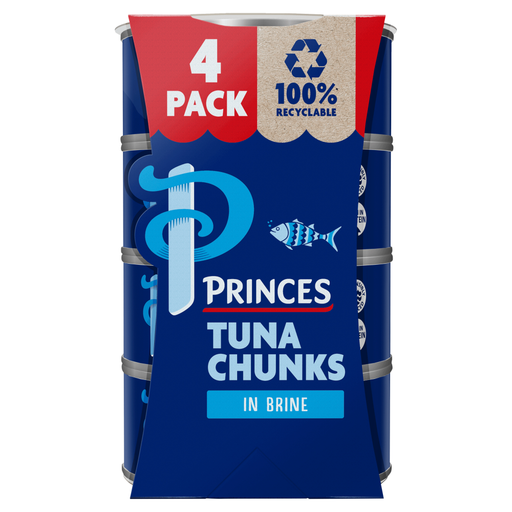 Image unavailable
For sandwiches, salads or batch-prepared meals when chunks in brine suit the recipe.
Four 145g cans; drain before use. Contains fish, and small bones may remain. Refrigerate leftovers after opening and consume within 2 days.
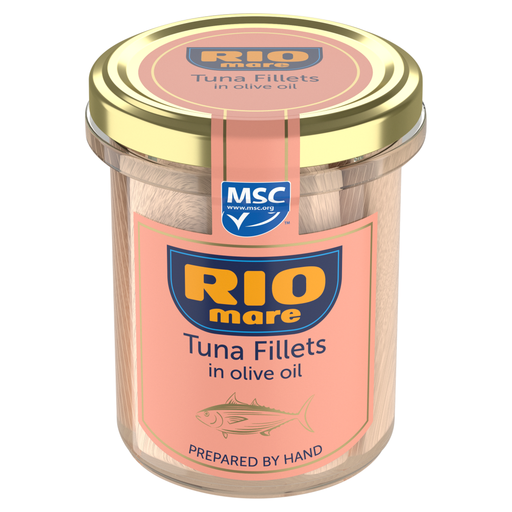 Image unavailable
For a salad or toast where you want to serve fillets as visible pieces.
Packaged tuna fillets in olive oil, in a 180g glass jar; this is not chilled fresh fish. Contains fish. Check whether the nutrition figures you use refer to the whole or drained product, and do not eat the contents if the lid is swollen or bloated.
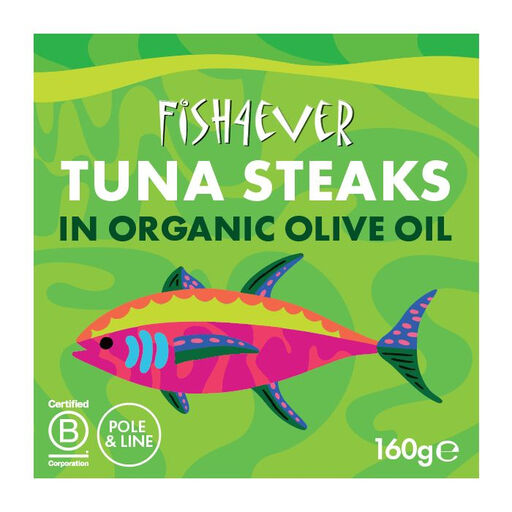 Image unavailable
For a meal where distinct tuna steak pieces matter more than a chunk format.
160g packaged tuna steaks in olive oil; not chilled fresh steaks. Contains fish. Refrigerate after opening and consume within 2 days.
No. In a tinned-fish listing, fillet, loin and steak describe the packaged product's format, not chilled fresh fish. If you want tuna to cook from fresh, choose a product in the retailer's chilled fish section and check its delivery and storage instructions.
Follow the storage instructions on the exact pack: unopened tinned tuna is normally stored in a cupboard, while opened tuna may need refrigeration. Asda's Rio Mare fillet listing instructs shoppers to refrigerate it after opening; its stated consumption period should not be assumed for other products.
Yes, within the NHS pregnancy guidance for tuna. The NHS says not to eat more than 4 cans of tuna or 2 tuna steaks a week because tuna can contain mercury. Count tuna eaten across meals, not just the cans in one grocery delivery.
No. The NHS classifies both fresh and canned tuna as non-oily fish, so a tinned tuna item does not count as an oily-fish portion.
Check the declaration on the exact product: tuna is fish, and Asda's Rio Mare fillet listing states that it contains fish. For flavoured or prepared products, read the full ingredient and allergen information rather than relying on the category name.