What matters when choosing a tin?
Decide whether the meal has a prescribed texture before choosing a convenient pack format. For other easy-chew meals, consider the work needed to mash and moisten the tuna.
| Concern |
What to check |
Who this matters to |
| Prescribed meal texture |
Follow the individual's Speech and Language Therapist plan and assess the finished dish, including its binder or sauce. University Hospitals Sussex NHS Foundation Trust specifies soft, moist food with no separate thin liquid and lumps no larger than 4 mm for Level 5 minced-and-moist meals. |
When making tuna for someone with a prescribed swallowing texture, I need the served dish to meet their individual requirements, not just to look soft in the tin; about 36% of consumers would put that finished-meal check first. |
| Soft, moist preparation |
Consider flakes or a chunk-and-flake mix if you want a starting format to mash. Plan an appropriate moist accompaniment rather than relying on the packing liquid alone. |
If an ordinary meal needs to be easier to chew, I want a filling I can mash and keep moist instead of serving dry pieces. About 29% of consumers would make that preparation need their main concern. |
| Handling and leftovers |
Check whether the pack is no-drain or resealable, then follow its specific after-opening instructions. John West's 110 g no-drain fridge pot says to replace the lid, refrigerate and use within two days of opening. |
When draining a tin is the awkward part of making lunch, fewer handling steps matter to me; about 21% of consumers would prioritise opening, draining and leftover management. |
| Flexible cupboard use |
Compare pack size and drained weight for the amount you will use in a meal. Check the label when choosing between spring-water and oil-packed versions. |
If I use tuna across several everyday meals, I want a pack size that fits what I will prepare; about 14% of consumers would put flexible cupboard use first. |
Brands and formats to consider
These product lines illustrate different ways to buy and prepare tuna; a brand name alone does not determine the texture of the served meal.
John West
Its range includes no-drain formats as well as standard tuna chunks. The 110 g tuna-steak fridge pot in spring water is described by John West and Tesco as no-drain.
- The cited fridge pot can be resealed and, according to Tesco's product instructions, refrigerated for up to two days after opening.
- The same product warns that bones may remain. No-drain packaging does not establish suitability for a prescribed swallowing texture.
Princes
Its cited products include a sandwich tuna made from chunks and flakes and standard chunks packed in different liquids.
- Princes Food and Drinks describes its Sandwich Tuna in Brine as a mix of chunks and flakes, a format to consider when planning to mash tuna into a filling.
- Chunks and flakes are not prescribed texture classifications; the prepared dish still needs the assessment required for its eater.
Tesco
Tesco's tinned-fish collection includes own-label tuna chunks in spring water and brine, alongside other pack formats.
- Different can and multipack formats give shoppers a way to compare portions for their usual meals.
- Choose the can size and prepare the finished texture for the intended eater; a cupboard format does not establish prescribed-texture suitability.
Joybuy tuna selections
These no-drain tuna chunks and flavoured tuna flakes are starting formats for meals in which you plan to check, mash and, where appropriate, moisten the fish. None should be chosen by pack wording alone for a prescribed swallowing texture.
 Image unavailable
John West No Drain Tuna Chunks in Springwater, 3 x 100g
Consider this three-pack if draining tuna is inconvenient and you intend to mash chunks into a moist meal component. Check the fish before serving; for a prescribed texture, assess the prepared dish against the individual's plan.
View on Joybuy
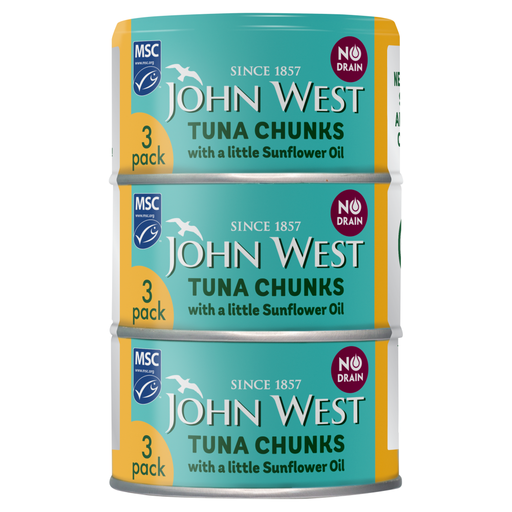 Image unavailable
John West No Drain Tuna Chunks in Sunflower Oil, 3 x 100g
This three-pack combines a no-drain format with tuna chunks in sunflower oil for meals where that packing medium suits the recipe. John West's product warning says bones may remain; check the fish and assess the finished texture if one has been prescribed.
View on Joybuy
 Image unavailable
Century Tuna Flakes in Adobo Style Sauce, 180g
Choose this 180 g can if you want flakes with adobo-style sauce as a starting point for a filling. Flakes and sauce do not establish how the finished meal will meet an individual's prescribed texture; check and prepare the fish accordingly.
View on Joybuy
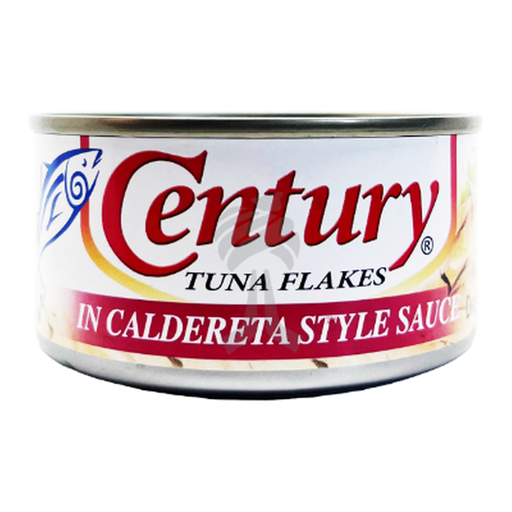 Image unavailable
Century Tuna Flakes in Caldereta Style Sauce, 180g
This 180 g can offers tuna flakes in a different flavoured sauce for a meal or filling. Check the whole prepared dish, not just the flake size, when an individual texture has been prescribed.
View on Joybuy
 Image unavailable
Century Tuna Flakes Hot & Spicy, 180g
Consider this 180 g flaked tuna only if hot, spicy seasoning suits the intended eater and meal. The flaked format does not confirm the texture of the finished dish; check the fish and follow any individual texture requirements.
View on Joybuy
Questions about preparing and storing tuna
Is ordinary tinned tuna suitable for someone with dysphagia?
Not automatically. For an individually prescribed Level 5 minced-and-moist diet, University Hospitals Sussex NHS Foundation Trust specifies a soft, moist finished dish with no separate thin liquid, lumps no larger than 4 mm and a fork test. Follow the eater's Speech and Language Therapist advice rather than relying on the can's description.
Should I choose flakes, chunks or tuna steak for an easy-chew meal?
For an ordinary softer meal, choose the format you can prepare into a moist filling: a chunk-and-flake mix gives you smaller pieces to start with, while chunks or steak can be mashed. Princes describes its sandwich tuna as a mix of chunks and flakes, but no piece-size label substitutes for checking a prescribed finished texture.
How should I store tuna after opening?
Follow the instructions for the specific pack. Tesco's listing for the John West no-drain fridge pot says to replace the lid, refrigerate and use the contents within two days of opening; check other cans and pots for their own instructions.
Does pregnancy change how much tuna I should plan to use?
Yes. The Food Standards Agency's November 2024 guidance advises people who are pregnant or trying for a baby to have no more than four cans of tuna or two tuna steaks a week. Count tuna used across meals when planning from the storecupboard.
Can I assume tinned tuna is bone-free?
No. John West warns on its cited tuna product information that some bones may remain despite care during preparation. Flake through the fish and remove any bones you find before serving.


