Choose tuna steaks when visible pieces matter in a plated meal, or a no-drain format when preparation is limited. Standard chunks make sense when the fish will be mixed into a dish. Whichever format you choose, check the exact pack’s ingredients, nutrition, bone warning and storage directions against the recipient’s care plan, particularly if a prescribed texture applies.
Who is choosing the tuna?
Meal providers managing preparation
People assembling delivered meals may need portions that are straightforward to open and serve. A no-drain format removes one preparation step; its opened-storage directions still matter if a pack is used across more than one meal.
Carers checking individual needs
Carers comparing ingredients and nutrition need to consider the recipient’s assessed requirements, not just the fish format. Norfolk and Waveney Integrated Care System advises that nutritional needs in care settings be assessed and reviewed.
Buyers focused on fish form and sourcing
For a dish that shows the tuna, steak-style pieces may be a useful selection criterion. Buyers seeking a stated catch method or fishery certification should check that the claim applies to the particular pack.
What matters when choosing?
Start with how the tuna will be prepared and served, then check the individual recipient’s requirements before settling on a format.
| Concern |
What to check |
Who this matters to |
| Easy portion handling |
Check whether draining is needed and how an opened pack must be stored. |
When meals need assembling with little handling, opening and portioning steps matter. About 31% of consumers put easy portion handling first. |
| Individual dietary fit |
Compare ingredients and nutrition on the same stated basis; follow any allergy, nutrition or texture requirements in the care plan. |
If a meal is going to someone with assessed dietary needs, the exact product must fit those needs. About 31% of consumers make individual dietary fit their primary concern. |
| Fish form and sourcing |
Check whether the pack contains chunks, steaks or fillets, and read any catch-method or certification claim for that product. |
For a meal where the fish remains visible, its form may matter; sourcing information may also guide the choice. About 23% of consumers prioritise fish form or documented sourcing. |
| Repeat-menu planning |
Check drained weight, pack quantity and whether the form suits the planned recipe. |
When tuna appears regularly in mixed dishes, usable portions matter more than intact pieces. About 15% of consumers put repeat-menu planning first. |
Pitfalls to avoid
-
Assuming “premium” describes one feature
A steak cut, a no-drain pack and a sourcing claim address different needs. None establishes that the tuna fits an individual’s nutrition or texture requirements.
Decide whether presentation, preparation or sourcing is the priority, then compare the exact pack’s form, ingredients and nutrition panel.
-
Treating water- and oil-packed tuna as interchangeable
Princes lists 0.5g fat per 100g drained for its spring-water chunks and 9.5g for its sunflower-oil chunks. The packing medium therefore matters when comparing those two products.
Read the label for the chosen medium and check it against the recipient’s assessed nutrition plan where one applies.
-
Overlooking fish allergy, bones or prescribed texture
Tuna contains fish, and the checked John West and Sainsbury’s steak packs warn that bones may remain. An ordinary tuna product should not be assumed to meet a prescribed texture level.
Check the current pack and the recipient’s care plan before serving. Do not serve a tuna dish to someone with a fish allergy or when its preparation conflicts with their prescribed texture.
-
Planning around just one pack format
A particular product may not be available when a repeated menu needs it. A substitute can also differ in ingredients, nutrition or opened-storage directions.
Identify an alternative format that works in the recipe, and check its label and the recipient’s requirements before substituting it.
Relevant tuna brands for reference
John West
Its no-drain tuna steak fridge pots are an option when opening and portion handling matter.
- The John West spring-water steak pot listed by Sainsbury’s is described as ready to eat, with an easy-peel lid and an MSC-certified fishery claim.
- That pack warns that bones may remain; its opened contents must be refrigerated and used within two days.
Princes
Its chunk products offer a direct choice between spring water and sunflower oil for mixed dishes.
- Princes lists tuna and spring water as the ingredients of its spring-water chunks, with 23.5g protein per 100g drained.
- Its sunflower-oil chunks have a different formulation; compare the exact product’s nutrition rather than treating the two packs as equivalent.
Tesco
Its own-label range includes several tuna forms and packing media for recipe-led selection.
- Tesco Groceries lists own-label chunks and steaks among its tinned-tuna options.
- Check the individual product’s form and label; a category listing alone does not establish its suitability for a particular meal.
Sainsbury’s
Its spring-water tuna steak is relevant where the specified fish form and sourcing statements matter.
- Sainsbury’s describes its skipjack tuna steak as pole-and-line caught and from a fishery certified to the MSC standard.
- The pack warns that bones may remain. Its directions say to transfer opened contents to a non-metallic container, refrigerate and use within one day.
Tuna products on Joybuy
These selections cover steak, fillet and no-drain chunk formats for delivered-meal preparation. Choose by the planned dish and the individual recipient’s requirements, rather than assuming the formats serve the same purpose.
 No image available
Tropical Sun Tuna Steaks in Sunflower Oil
Consider this steak format when visible fish pieces and sunflower-oil packing suit the planned meal. It contains fish; check the recipient’s nutrition and texture requirements, and follow the pack’s opened-storage directions.
View on Joybuy
 No image available
John West No Drain Tuna Chunks in Springwater, 3 × 100g
The no-drain chunk format suits a mixed dish when preparation needs to be kept simple. The three-can pack allows cans to be opened separately; check the directions for any opened contents and the recipient’s fish-allergy and texture requirements.
View on Joybuy
 No image available
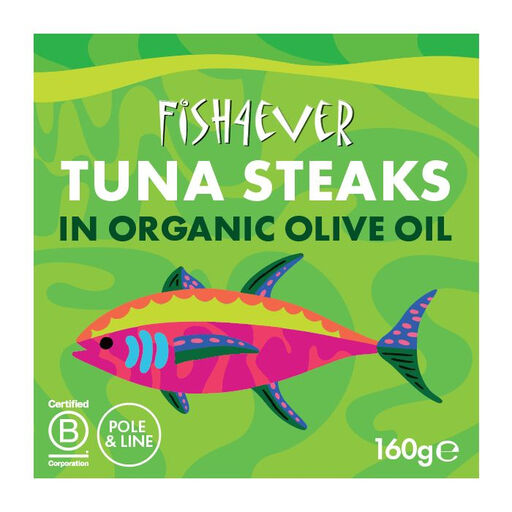
Fish4ever Tuna Steaks in Organic Olive Oil, 160g
Choose this steak and olive-oil format if those features suit the dish. When comparing nutrition with another tuna, check whether each pack uses drained or whole-product values; also check fish-allergy and individual texture requirements.
View on Joybuy
 No image available
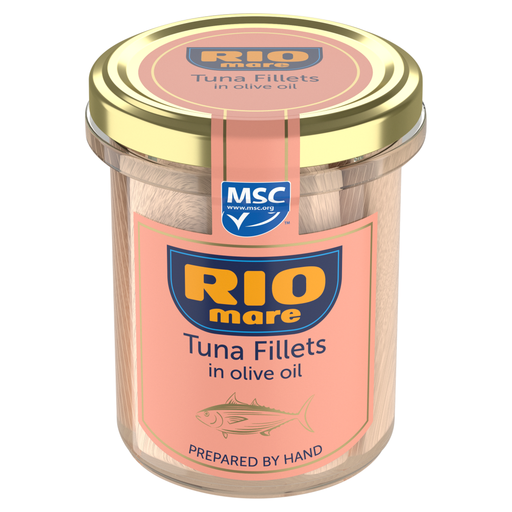
Rio Mare Tuna Fillets in Olive Oil, 180g Glass Jar
Fillet-style pieces may suit a meal where the fish remains visible. Check the jar’s opened-storage directions before planning to use it across meals, and assess its ingredients and nutrition against the recipient’s needs.
View on Joybuy
 No image available
Tropical Sun Tuna Steaks in Brine, 160g
This steak format is for a cooked meal, not direct serving: the product directions require thorough cooking. Allow for that preparation step, and check the fish-allergy and prescribed-texture requirements of anyone receiving the dish.
View on Joybuy
Questions about serving tuna
Does tinned tuna count as oily fish?
No. NHS guidance says fresh and canned tuna do not count as oily fish. If a menu is intended to include an oily-fish portion, do not count a tuna dish as that portion.
Can tinned tuna be served on a texture-modified diet?
Not without checking the person’s prescribed texture level and preparation instructions. A steak, fillet or chunk label does not establish that the prepared dish meets an individual care plan; confirm the required method with the relevant care team.
What should a meal provider check about fish allergy?
Tuna contains fish, so check the exact product’s ingredients and the recipient’s allergy information before preparing or substituting a dish. Keep the ingredient information used for that meal available to the people responsible for serving it.
How long can opened tuna be kept?
Follow the directions on the particular pack. The Sainsbury’s spring-water steak directions say to transfer opened contents to a non-metallic container, refrigerate and use within one day; the checked John West fridge pot gives up to two days refrigerated after opening. Neither instruction applies automatically to another product.
Do steaks or no-drain pots always make a better delivered meal?
No. Steaks provide a different fish form, while no-drain packs address a preparation step; chunks can suit a dish where tuna is mixed in. Check the recipe, handling needs and recipient’s requirements before choosing between them.


