First-shop planners
If you are setting up a cupboard and have only a few tuna meals in mind, the number of tins and the drained quantity matter more than buying a larger pack by default.


Choose a single tin if you are unsure how often you will use tuna; choose a multipack if several meals are already planned. A no-drain pack makes more sense when skipping the draining step matters to you. Compare drained weight, packing liquid and the exact product label before deciding which format fits your first shop.
If you are setting up a cupboard and have only a few tuna meals in mind, the number of tins and the drained quantity matter more than buying a larger pack by default.
For sandwiches, salads or jacket potatoes, you may prefer a pack that needs less preparation. John West describes its no-drain tuna as ready to use.
If packing liquid, salt, fish allergen information or sourcing affects your choice, check the exact product label. Sourcing statements can differ between products from the same brand.
Start with the number of meals you expect to make, then compare the usable quantity and format of the packs that suit them.
| Concern | What to check | Who this matters to |
|---|---|---|
| Pack quantity | Compare the number of tins and drained weight with the meals you have planned. | If I am still working out what I will cook, I would rather start with a quantity I know I can use. About 36% of consumers would put pack commitment first. |
| Preparation | Check whether the tuna needs draining and whether its format suits the meal. | When lunch needs to be assembled quickly, avoiding a draining step may matter more than having several ordinary tins. Preparation is the primary need for about 29% of consumers. |
| Packing liquid and label | Read the ingredients and nutrition panel on the exact pack, including the stated basis for any per-100g figures. | For pasta or sandwiches, I may want spring water, brine or oil for a particular recipe and want to see how the labels differ. About 21% of consumers would make that their main consideration. |
| Sourcing and safety information | Check the exact pack for sourcing statements, fish allergen information and storage instructions. | If a catch method or allergy information determines what I can buy, a general brand description is not enough. Those pack-specific details would come first for about 14% of consumers. |
A four-pack is a bigger cupboard commitment than a single tin, and the labelled net weight includes the packing liquid. A larger pack only suits your first shop if you expect to use it.
Plan the likely meals, then compare tin count and drained weight among formats you would actually cook with.
Spring-water, brine and oil products have different ingredient lists, and nutrition figures need to be read on the basis stated on the pack. The NHS also says canned tuna does not count as oily fish.
Check the ingredients and per-100g nutrition panel of the particular tin rather than transferring figures from another variety.
A catch-method statement or certification on one tuna product does not establish the sourcing of every tin sold under that name.
Look for the relevant statement on the exact pack you intend to buy.
Tuna contains fish, an allergen identified in UK food guidance. The Asda product guidance also calls for unused tuna to be transferred from the can, refrigerated and used within two days.
Check the current pack for allergy and storage instructions, and follow the instructions for that product.
Tesco lists own-brand tuna in single tins and multipacks, including spring-water varieties.
Sainsbury's lists own-brand spring-water and brine four-packs alongside single tins and oil-packed options.
Asda's own-brand brine four-pack is a specified option for shoppers planning repeated use.
Princes lists spring-water chunks in several formats, from a 145g tin to larger multipacks.
John West offers standard chunks and a no-drain spring-water format for meals where preparation time matters.
M&S is worth checking if a stated catch method matters to your choice of tuna.
These single tins and multipacks cover standard chunks in different packing liquids, plus a no-drain option. Choose the pack count and format for the meals you have planned, then check the product's current label.
 No image available
Consider this four-tin pack if spring-water tuna is already part of several planned meals. Check the drained quantity on the current pack when comparing it with other four-packs.
 No image available
This four-tin brine pack suits shoppers expecting to make several tuna meals. Its listed ingredients include tuna, water and salt; check the current label if salt content affects your choice.
 No image available
Choose this three-tin format if avoiding the draining step would make quick meals easier. Check the current pack for its use instructions and the basis of its per-100g nutrition figures.
 No image available
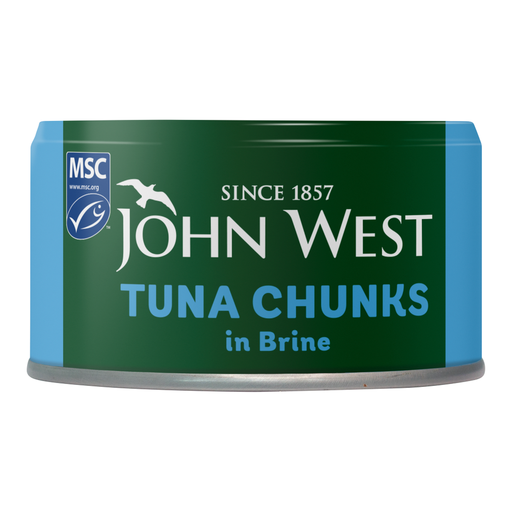
A single tin is a smaller commitment if you want to try brine-packed chunks before planning more meals around them. Check its drained weight and current ingredients on the pack.
 No image available
This four-tin pack is an option if sunflower-oil tuna suits meals you expect to make regularly. Compare its ingredients and nutrition panel with other packing liquids using the basis stated on each label.
Start with one tin if you are unsure how often you will use tuna; a multipack is more practical when several meals are already planned. Compare tin count and drained weight so the larger pack reflects the quantity you expect to use.
Choose the packing liquid that suits your recipe, then read the exact pack's ingredients and nutrition panel. Different varieties need not have the same salt or fat figures, and per-100g values should be compared on the same stated basis.
No. The NHS says fresh and canned tuna do not count as oily fish, so a tuna tin does not fulfil that particular category in its fish guidance.
Follow the instructions on the exact pack. Asda's cited tuna guidance says to transfer unused tuna to a non-metallic container, refrigerate it and use it within two days.
Check the current pack before buying or serving it: tuna contains fish. GOV.UK allergen guidance identifies fish as an allergen that food businesses must declare when it is present as an ingredient.