
24/7 Customer Support

Free returns

Same-day & Next-day Delivery

Quality Guaranteed

Unlock Your Welcome Offers: FREE Delivery | Up to 80% OFF | Free 30-day JoyPlus trial
Download the APP
By Joybuy Product Recommendation Officer
Tinned vegetables can make weekday cooking considerably easier, whether you are preparing a quick lunch, stocking a student kitchen or building a vegan pantry. However, attractive packaging does not always tell you what matters most. Comparing drained weight, ingredients, salt content, allergens and storage instructions will help you avoid paying for excess liquid or buying a product that does not suit your recipes.
A tin marked 400g may include water or brine, so the amount you actually eat can be lower. This matters when comparing tinned beans, chickpeas and sweetcorn. Check the drained weight where it is provided, particularly if you are planning several portions or calculating cost per serving.
For example, D’Aucy Sweetcorn 326g lists a drained weight of 260g, while some tinned vegetables do not show a separate drained figure in the product information. Treat the net quantity as the total contents, not necessarily the edible vegetable portion.
Many tinned vegetables are cooked and can be added directly to cold salads or heated in a dish. Others still require cooking. JING NONG Dual-Ear Flower Glutinous Corn 400g, for example, states that it should be heated in boiling water for 3–5 minutes or microwaved before serving and should not be eaten raw.
Always read the preparation instructions. This is especially important with preserved specialist ingredients, including bamboo shoots, where draining, rinsing and heating may be recommended.
Water-packed vegetables may contain little added seasoning, while brined products can contribute more salt to a meal. Compare the salt per 100g, rather than relying only on front-of-pack claims.
Ingredient lists also vary. Tinned bean sprouts may contain sulphites, and some tinned chickpeas list celery or may contain soya. If you are shopping for vegan tinned vegetables or cooking for someone with an allergy, read the current packaging carefully before purchase.
Short ingredient lists can make a product easier to use across different recipes. Examples include chickpeas in water, spinach with water, or water chestnuts with water and an acidity regulator. Products with sauces, sugar or spices may be convenient for serving but less flexible in curries, soups and stews.
Check whether the product is:
Nutrition panels allow fairer comparisons between different tin sizes. Useful figures to review include:
For instance, Cooks & Co 5 Bean Mix lists 7.9g fibre and 6.9g protein per 100g drained, while Morrisons Chickpeas In Water lists 7.4g protein per 100g drained. These figures are product-specific and should be considered alongside the rest of your meal.
Choose a single tin when trying an unfamiliar ingredient, such as tinned water chestnuts or tinned bamboo shoots. Multipacks can reduce restocking frequency for households that regularly use chickpeas or baked beans, but only make financial sense if you will use them before the cupboard becomes overcrowded.
Unopened cans should generally be kept in a cool, dry place away from direct sunlight. After opening, transfer leftovers to a non-metallic, airtight container, refrigerate and follow the stated consumption period—often two or three days. Never use a can that is bulging, leaking or badly damaged.
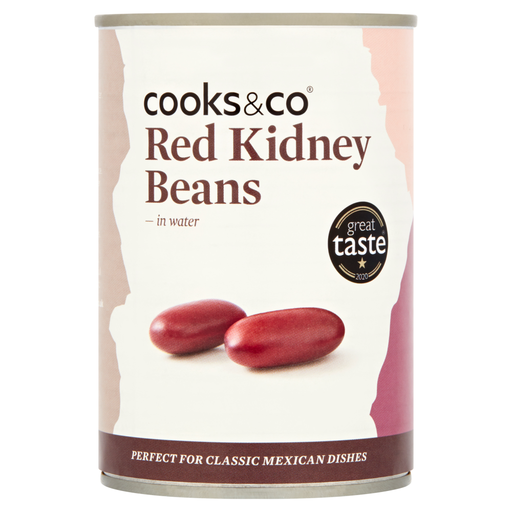
Why This Fits Their Persona: A practical starting point for UK households learning to cook more meals from pantry staples. The beans can be added to chilli, fajitas, stews and Indian-style dishes without soaking.
The regulated product name identifies rehydrated red kidney beans in water, making the format clear. Ingredients list red kidney beans and water, without a prepared sauce.
Suitable for vegans and vegetarians; provides 6.0g fibre and 7.6g protein per 100g listed.
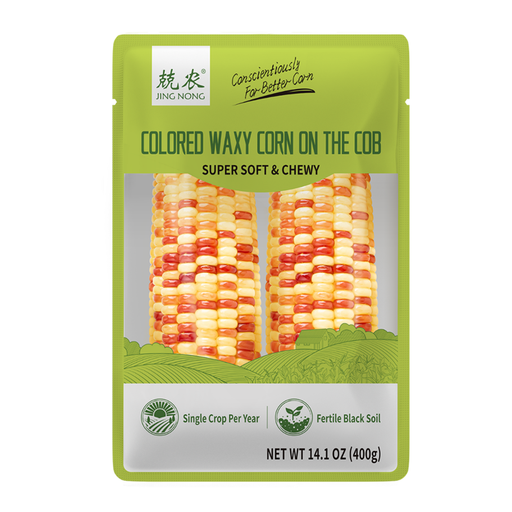
Why This Fits Their Persona: Suits shoppers seeking a distinctive preserved ingredient rather than standard sweetcorn. Its bicolour waxy corn texture works as a breakfast item, snack or side dish.
The product instructions clearly state that cooking is required, avoiding the common mistake of treating every preserved corn product as ready to eat.
Ingredients are fresh waxy corn, water and salt; individual packaging supports portion control and carrying.
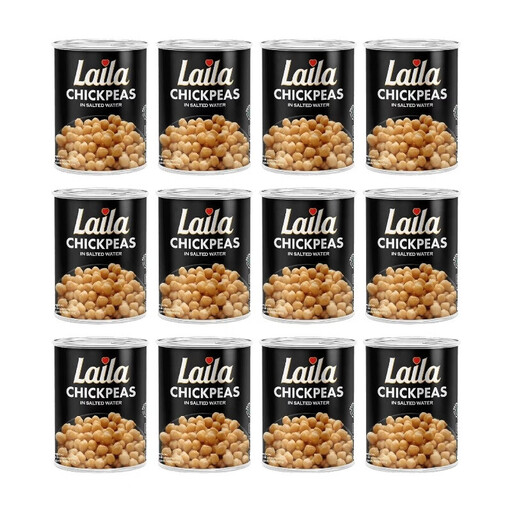
Why This Fits Their Persona: A multipack for larger households, meal-prep routines and cooks who regularly make hummus, curries, salads, stews or roasted chickpea dishes.
The 12 x 400g format makes the quantity explicit, while the label advises refrigeration after opening and consumption within 3 days.
Suitable for vegans and vegetarians; listed as a source of plant-based protein and fibre with no soaking required.
For Asian cooking ingredients, tinned bamboo shoots, water chestnuts, straw mushrooms and bean sprouts provide texture without lengthy preparation. Drain and rinse where instructed, then add them near the end of cooking to retain crunch.
For Caribbean recipes, Dunn’s River Callaloo 540g offers callaloo leaves with onion, Scotch bonnet pepper, thyme and seasoning. It can be cooked into soups, stews, rice dishes or served as a side. For simpler meals, D’Aucy Spinach Leaf 380g contains spinach and water and can be stirred into curries or soups.
Tinned sweetcorn, red cabbage and baked beans are useful for different roles: salads and fritters, tangy sides, toast or quick family meals. Browse the wider tinned vegetables range to compare formats and quantities.
We have compiled a complete, real-time list of products that fully satisfy these strict selection criteria and UK safety regulations.
Many are, including plain tinned chickpeas, kidney beans, sweetcorn, spinach, bamboo shoots and bean sprouts. Always check the ingredients and allergen statement, as recipes and manufacturing information can vary between products.
Rinsing is commonly recommended for vegetables packed in brine or preserving liquid. It can remove some surface salt and packing flavours. Follow the product instructions: water chestnuts, bamboo shoots and bean sprouts are often specifically marked for draining and rinsing.
The recommended period varies, but many products advise transferring leftovers to a covered, non-metallic container, refrigerating them and using within two days. Some products allow up to three days. Follow the packaging instructions rather than relying on the unopened best-before date.