Portion-led batch cooks
If you want a recognisable piece of salmon in each rice bowl, traybake or plated meal, frozen fillets fit that plan. Allow for freezer space and the preparation time stated on the pack.


Choose frozen salmon fillets if your batch-cooked meals need separate, cooked portions and you have freezer space and time to prepare them. Choose tinned salmon if you need an already-prepared, flaked ingredient for quickly assembled meals. Check the exact pack for bones, portion size and storage instructions: those details can matter more to your plan than the format alone.
If you want a recognisable piece of salmon in each rice bowl, traybake or plated meal, frozen fillets fit that plan. Allow for freezer space and the preparation time stated on the pack.
If you are mixing salmon into salads, pasta or fishcakes rather than cooking individual fillets, tinned salmon provides an already-prepared ingredient. Plan how you will use any contents left after opening.
If bones, skin, salt or serving size could change your choice, compare exact products rather than assuming all tins or fillets have the same characteristics. Sainsbury's lists both a pink salmon tin containing small bones and a skinless-and-boneless alternative.
Start with the shape your recipes need, then check how much preparation and storage your batch-cooking schedule allows.
| Concern | What to check | Who this matters to |
|---|---|---|
| Portion format | For fillets, check pack weight, portion count and whether skin or bones are specified. For mixed recipes, consider whether flaked tinned fish gives you the texture you want. | If I want a separate piece of salmon in each prepared meal, a fillet matters more than a quick-to-mix ingredient. About 27% of consumers put portion format first. |
| Preparation time | Check the frozen pack's cooking or defrosting directions; compare them with the number of servings you can make from a tin. | When meals need assembling quickly, I would rather use prepared salmon than cook a fillet first. Speed is the primary need for about 33% of consumers. |
| Bones and label details | Read the bone and skin statement, ingredients, salt per 100g and the serving basis on the exact product. | If bones would make a recipe unsuitable, or I am comparing salt across cans, the precise label determines my choice. Those details come first for about 20% of consumers. |
| Storage and leftovers | Check freezer capacity and defrosting directions for fillets, or the refrigerated use-within instruction after opening a tin. | If I cannot use an opened can promptly or allocate freezer space, I need a pack that fits my meal schedule. Storage is the main concern for about 20% of consumers. |
Bones can change the texture of a mixed dish. Sainsbury's identifies small edible bones in its 212g pink salmon tin, while its 105g alternative is labelled skinless and boneless.
If avoiding bones is essential, look for an explicit statement on the exact can rather than relying on the brand name.
Post-opening instructions differ. Sainsbury's says to transfer the contents of its 212g pink salmon tin to a non-metallic container, refrigerate and use within one day; the cited John West 213g tin gives a two-day limit.
Match can size to meals you can prepare within that product's labelled period.
Otherwise, unused salmon may go to waste.
Frozen portions still need preparation. Tesco Groceries gives an oven time of 18–23 minutes from frozen for its Wild Salmon Fillets 500g; that timing belongs to that product and method.
Allow time in your batch-cooking session and follow the directions on the fillets you buy.
A prominent nutrient claim does not tell you whether the can contains bones, how many portions it provides or how its salt figure is measured.
Compare the ingredients, bone statement, serving information and salt per 100g on the exact tins you are considering.
Its cited Wild Pacific Pink Salmon 213g is a tinned option for recipes that use flaked fish.
Princes lists Wild Pacific Red Salmon in 105g and 213g sizes, alongside a skinless-and-boneless red salmon format.
Tesco Groceries lists Wild Salmon Fillets 500g as a frozen option for meals built around cooked portions.
Its cited tinned options include a 212g pink salmon can and a 105g skinless-and-boneless pink salmon can.
These options include tinned pink salmon for mixed dishes and frozen sockeye fillet steaks for meals needing cooked portions. Choose the format for your recipes before comparing pack sizes and handling instructions.
 Image unavailable
Consider this four-pack when several planned meals use flaked salmon, such as salads, pasta dishes or fishcakes. Each can is identified as 213g; confirm the bundle contents and check the exact cans for bone information if that affects your recipes. The listing instructs you to transfer unused contents to a non-metallic container, refrigerate and use within two days.
 Image unavailable
This single can fits a plan that calls for flaked salmon without keeping a four-pack. Check its bone information on the exact label. For unused contents, the listing instructs you to transfer the salmon to a non-metallic container, refrigerate and use within two days.
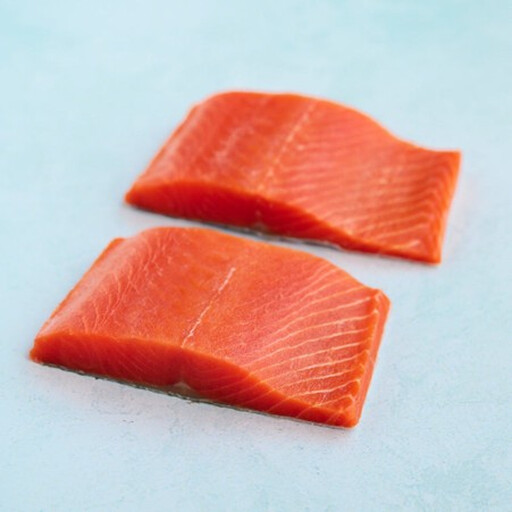 Image unavailable
These frozen fillet steaks suit a batch-cooking plan built around separate cooked salmon portions. The listing describes them as skin-on and calls for thawing before cooking, so allow for that step rather than applying the cooking-from-frozen directions of another product. Check the exact pack for cooking directions and bone information.
Buy frozen fillets when you want separate cooked portions and can accommodate their storage and preparation directions. Choose tinned salmon for quickly assembled dishes where a flaked ingredient works; check can size and the instructions for any contents left after opening.
Follow the specific can's instructions rather than one rule for all tinned salmon. Sainsbury's says to refrigerate its 212g pink salmon in a non-metallic container and use it within one day, while the cited John West 213g tin gives a two-day instruction.
No. Sainsbury's states that its 212g pink salmon contains small edible bones, while its cited 105g pink salmon and a Princes red salmon product are explicitly labelled skinless and boneless. Read the description on the exact can if bones would affect your meal.