Cook-to-order meal planners
Plain frozen portions suit people who want to cook salmon at home and choose their own coatings, sauces and sides. Check whether the particular pack contains raw fish and how its portions must be prepared.


Choose plain frozen salmon fillets if you want to cook portions and decide on your own sauces and sides; choose plain tinned salmon when a cupboard-stored option suits the meal better. Neither format is automatically suitable for everyone managing diabetes: Diabetes UK says there is no specific diabetes diet. Check the exact product’s ingredients, carbohydrate and salt values, portion information and, for raw frozen fish, preparation instructions.
Plain frozen portions suit people who want to cook salmon at home and choose their own coatings, sauces and sides. Check whether the particular pack contains raw fish and how its portions must be prepared.
Tinned salmon offers a cupboard option for salads, sandwiches or fishcakes. The salt value and any bone warning still matter: the John West and Princes red-salmon examples have different pack details to check.
Diabetes UK says there is no specific diabetes diet. For a diabetes-conscious meal, compare the exact salmon product’s ingredients and nutrition panel alongside the portion and foods served with it, rather than relying on a format or label description alone.
Start with the meal you intend to make, then check the individual tin or frozen pack: plain fish, battered fish and prepared dishes need not have the same ingredients.
| Concern | What to check | Who this matters to |
|---|---|---|
| Ingredients and carbohydrate | Read the ingredient list and carbohydrate value on the exact pack, particularly for coated or sauced products. Consider the sides as part of the meal. | If you want to choose your own sauce and sides, an unplanned coating changes what goes into the meal; about 42% of consumers put control over added ingredients first. |
| Convenience and portions | Compare the tin’s serving information with the number and size of frozen portions, then check storage instructions. | A cupboard lunch calls for a different format from a planned cooked supper; about 33% of consumers make convenience and portion timing their primary concern. |
| Salt, bones and handling | Compare salt per 100g and per serving, look for bone warnings, and follow the frozen pack’s storage and cooking directions. | Bones in a tin or the preparation required for raw fish may determine whether a pack works for your meal; about 25% of consumers prioritise label and handling checks. |
Diabetes UK says there is no specific diabetes diet. A description of a salmon product cannot establish how the complete meal fits an individual dietary plan.
Check the portion, ingredients and nutrition panel together with the foods you plan to serve. Seek individual clinical advice where needed.
Sainsbury’s lists both raw and battered options in its frozen salmon range. Coatings and prepared formats call for their own ingredient and nutrition checks.
If you want an uncoated fillet, confirm that description on the exact pack rather than using the values for another salmon product.
Princes lists 0.91g salt per 100g drained for its Wild Pacific Red Salmon, while ASDA Groceries lists 0.9g per 100g and a bones warning for John West Wild Pacific Red Salmon 105g. Those details apply to the named products, not every tin.
Compare the current tin’s salt information at the portion you intend to use, and check its bone warning if bones are a concern.
Ocado’s listing for M&S Scottish Salmon Portions Frozen says the fish is raw, must be defrosted thoroughly before cooking, eaten on the day of defrosting and not refrozen. Other products may give different directions.
Follow the storage, defrosting and cooking instructions on the pack you buy.
Its Wild Pacific Red Salmon 105g is a tinned option for cupboard-based meals.
Its Wild Pacific Red Salmon is another plain tinned route for meals that do not start with cooking a fillet.
Its frozen fish-fillets range includes wild salmon fillets in 500g and 330g packs.
Its frozen salmon range includes raw fillets and battered choices.
Its frozen Scottish salmon portions are individually packed raw fish for meals prepared at home.
These selections include tinned salmon for cupboard-based meals and frozen salmon for meals you plan to prepare. The sashimi-labelled pack has a different intended use from a frozen fillet steak, so check its preparation directions before choosing it for a cooked meal.
 No image available
Consider this multi-pack when you want several tins for cupboard-based meal planning. Each tin is labelled 213g; check its current nutrition and bone information if either affects your choice, and consider what you will serve with the salmon.
 No image available
This single tin is an option when you do not need a four-pack. Check the current label for serving information, salt and bones, and assess the tin alongside the other ingredients in your planned meal.
 No image available
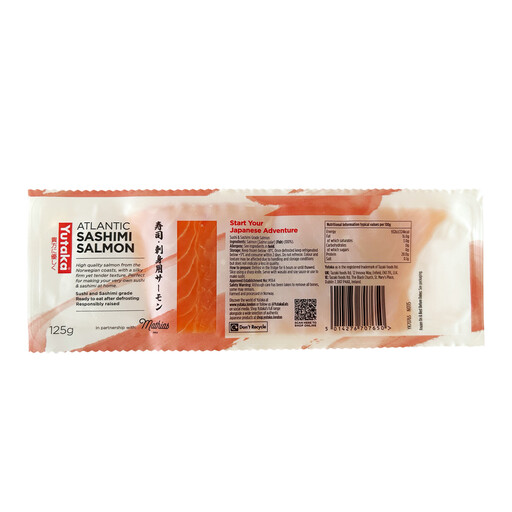
This 125g salmon pack is presented for sashimi rather than specifically as a fillet for a cooked main meal. Check the pack’s intended preparation and frozen-storage directions before buying for your planned use; its product information also cautions that some bones may remain.
 No image available
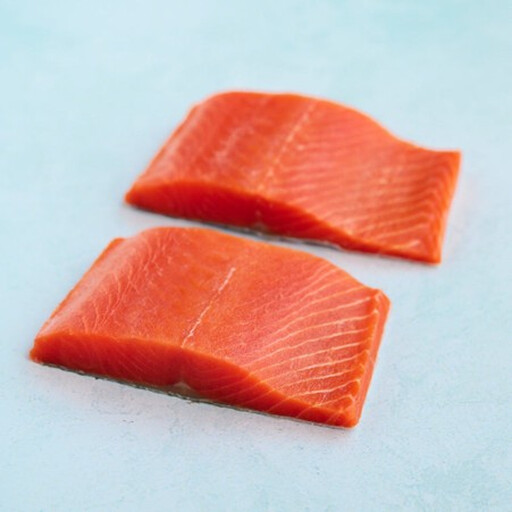
These fillet steaks suit a planned cooked salmon meal in which you choose the accompanying ingredients. The pack is labelled 220g; follow its thawing and cooking directions, and check its current nutrition panel if carbohydrate or salt values affect your choice.
No format settles that question on its own. Diabetes UK says there is no specific diabetes diet; check the exact product’s ingredients, nutrition values and portion alongside the rest of the meal.
Choose a plain fillet if you want to select the coating or sauce yourself. Sainsbury’s lists raw and battered frozen salmon options, so read the individual pack’s ingredients and nutrition panel rather than assuming the formats match.
No; follow the directions on the product you buy. Ocado’s listing for M&S Scottish Salmon Portions Frozen says to defrost thoroughly before cooking, eat the cooked fish on the day of defrosting and not refreeze the product. Those are directions for that pack.
Follow the storage directions on the particular tin. Check whether its label calls for transferring the remaining salmon to a covered container and refrigerating it, and use it within the period stated there.