Quick-lunch planners
If tuna is going into a salad, wrap or jacket potato without cooking, a tinned format fits that routine. Check the packing medium and drained weight when working out how much fish goes into a portion.


Choose tinned tuna when you need an ingredient you can use without cooking; choose frozen tuna steaks or fillets when you want a cooked, steak-style meal and have time to prepare it. For protein-focused meals, compare the portion you will eat, check whether nutrition figures refer to drained or cooked fish, and look at the exact product’s packing medium and salt.
If tuna is going into a salad, wrap or jacket potato without cooking, a tinned format fits that routine. Check the packing medium and drained weight when working out how much fish goes into a portion.
Frozen tuna steaks suit a meal built around a cooked fillet, provided you can store them frozen and follow the pack’s preparation instructions.
If protein, salt, energy or added oil affects your choice, compare the exact variants on their stated serving and food-state bases. A drained-tin figure and a pan-fried-steak figure describe different states of the fish.
Decide whether immediate use or a cooked steak matters more, then compare nutrition on the portion and preparation basis you will actually use.
| Concern | What to check | Who this matters to |
|---|---|---|
| Protein per portion | Check protein per serving and whether the figure refers to drained, raw or cooked fish. Use the edible portion, not just the pack weight. | If I plan meals around protein, I need to know what the portion I will eat contributes. About 40% of consumers put protein per usable portion first. |
| Preparation and storage | Check whether a tin needs draining and whether frozen steaks can be cooked from frozen or must be defrosted for your chosen method. | When lunch has to be ready without cooking, preparation time drives the choice; for dinner, I may be able to plan around a frozen steak. Immediate use is the primary need for about 30% of consumers. |
| Salt, energy and packing medium | Read the exact variant’s ingredients and nutrition label, particularly if it is packed in brine or oil. | If I am comparing meal ingredients by salt, energy or added oil, the packing medium matters alongside protein. About 20% of consumers make those label details their main concern. |
| Steak format and sourcing detail | Check whether the product is a whole steak or chunks, and read any species, catch-method or traceability statement for that item. | For a cooked main meal, I may want a whole fillet rather than tuna to mix into a dish; a product-specific sourcing statement may also shape my choice. Those preferences come first for about 10% of consumers. |
Princes Food & Drinks lists 23.5g protein per 100g drained for its Tuna Chunks in Spring Water, while ASDA Groceries lists 32g per 100g pan-fried for its frozen tuna steaks. Those figures do not describe the same preparation state.
Check the stated serving and whether each figure is for drained, raw or cooked fish before comparing meal portions.
Water, brine and oil-packed variants can have different ingredients and nutrition values. A figure for one product should not be carried across to another.
Read the exact can or pot for its packing medium, salt, energy and drained weight.
Frozen steaks need preparation. Tesco Groceries gives different instructions for its tuna steaks: 20 minutes under a medium grill from frozen, or 6–8 minutes shallow-frying after defrosting.
Use the instructions for the product and cooking method you choose; keep ready-to-use tinned tuna in mind when cooking time is the deciding factor.
Cooking adds preparation time and, depending on the method, may involve cooking oil.
For people who are pregnant or trying for a baby, the NHS advises no more than 4 cans of tuna or 2 tuna steaks a week.
If that guidance applies to you, account for tuna across the week when planning meals with either format.
A reference point for convenient tinned formats, including no-drain tuna pots.
Offers tinned tuna in formats useful for comparing packing media and preparation steps.
Its tuna listings provide points to check for both tinned products and frozen steaks.
Has product listings for canned tuna and steak-format yellowfin tuna.
A reference for comparing a frozen tuna-steak label with tinned-tuna labels.
Provides product-specific descriptions for tinned tuna steak and frozen yellowfin steaks.
These selections include tinned tuna for meals without cooking and frozen tuna steaks for a planned cooked meal. Compare the exact pack’s nutrition basis before using a per-100g figure to plan a portion.
 Image unavailable
A tinned option for adding tuna to a meal without cooking. The pack contains four 125g tins; check the drained weight of a tin if you calculate protein for your actual portion.
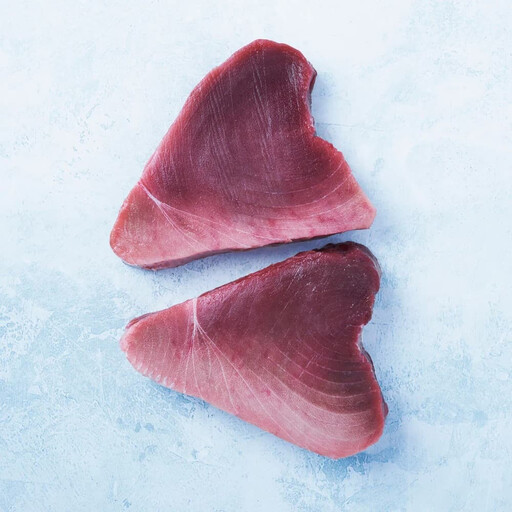 Image unavailable
A frozen steak format for a planned cooked meal. The pack contains two steaks weighing 260g in total. Follow the pack’s storage, thawing and preparation instructions, and check the stated nutrition basis before comparing it with drained tinned tuna.
 Image unavailable
The no-drain format suits a lunch assembled without cooking. Check whether the pack’s nutrition figures describe the tuna as packed or another stated basis before comparing portions.
 Image unavailable
A spring-water tinned option for meals using tuna chunks. The tin is labelled 145g; check its drained weight when working out the amount of fish in a serving.
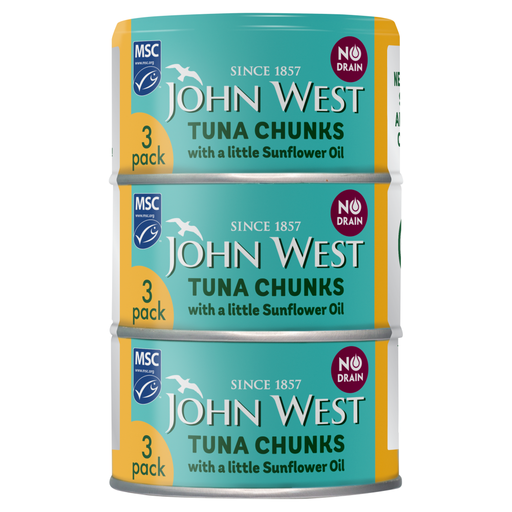 Image unavailable
A no-drain tinned format for a meal without cooking. Its sunflower-oil packing distinguishes it from the spring-water variants; compare the exact label’s energy, fat and nutrition basis if those details affect your choice.
Those formats cannot be ranked from unlike label bases. Princes Food & Drinks lists 23.5g protein per 100g drained for its spring-water tuna chunks, while ASDA Groceries lists 32g per 100g pan-fried for its frozen tuna steaks. Compare the portion you intend to eat and whether each figure refers to drained, raw or cooked fish.
Follow the instructions on the steak pack for your cooking method. Tesco Groceries specifies grilling its tuna steaks from frozen for 20 minutes, but shallow-frying them for 6–8 minutes from defrosted; those timings should not be transferred to a different product.
The NHS advises no more than 4 cans of tuna or 2 tuna steaks a week for people who are pregnant or trying for a baby. Count tuna meals across the week whether you choose tinned tuna or steaks.