Presentation-focused cake bakers
If the fruit will be visible on an upside-down cake or plated dessert, you need a cut that keeps its shape. Marks & Spencer’s pineapple upside-down cake recipe uses drained pineapple slices for this purpose.


Choose the fruit shape to suit the cake: pineapple slices work for a visible upside-down arrangement, while pieces are easier to spread through a mixture or filling. Compare drained weight with the recipe’s required fruit quantity, and drain the fruit unless the method calls for some of the liquid. Juice-packed fruit gives you a different starting point from syrup-packed fruit when deciding how sweet the finished cake should be.
If the fruit will be visible on an upside-down cake or plated dessert, you need a cut that keeps its shape. Marks & Spencer’s pineapple upside-down cake recipe uses drained pineapple slices for this purpose.
If the recipe calls for a particular quantity of fruit or liquid, check the drained weight rather than relying on the total tin weight. Tesco lists a 435 g tin of Del Monte pineapple slices with 260 g drained weight.
If you want to limit sugar added through the fruit’s packing medium, check whether the tin contains juice, water or syrup. NHS guidance suggests choosing tinned fruit in juice rather than syrup when cutting down on sugar.
Start with the fruit cut your cake needs, then check how much drained fruit you will have and whether the recipe uses any packing liquid.
| Concern | What to check | Who this matters to |
|---|---|---|
| Fruit shape | Match slices, chunks or halves to the arrangement shown in the recipe. | If the fruit forms the finished pattern, I want recognisable pieces rather than fruit mixed into the cake. About 31% of consumers would put the visible finish first. |
| Fruit quantity and liquid | Compare drained weight with the recipe’s requirement; check whether the method uses any reserved liquid. | When a recipe specifies fruit by weight, I need enough fruit after draining without adding unwanted liquid to the mixture. Around 31% of consumers would make usable quantity and moisture their primary concern. |
| Fruit variety | Choose the named fruit and cut the recipe calls for rather than assuming mixed fruit will substitute. | For a sponge filling or dessert topping, I want a fruit and format that fit the particular bake. Roughly 23% of consumers would choose chiefly on that basis. |
| Packing medium | Read whether the fruit is in juice, water or syrup, and check the ingredients on the tin. | If the cake already has a sweet topping, I want to decide how much sweetness comes from the tinned fruit. About 15% of consumers would put the packing medium first. |
Total weight includes the packing liquid. Tesco lists Del Monte pineapple slices as 435 g net but 260 g drained.
Use the drained weight to work out how many tins your recipe requires.
A recipe may require another tin if one does not provide enough drained fruit.
Liquid added beyond the recipe’s instructions changes the quantities going into the mixture. Marks & Spencer’s pineapple upside-down cake recipe drains the slices and reserves the juice separately.
Drain the fruit first, then use reserved liquid only in the amount the recipe specifies.
The packing medium matters when you are deciding how sweet the fruit component should be. NHS guidance favours tinned fruit in juice rather than syrup when cutting down on sugar.
Read the exact tin’s packing medium and ingredients; choose syrup when it suits the recipe you are making.
Ingredients can change. Tesco advises shoppers to read the current label rather than rely solely on its online product information.
Before using the fruit, check the tin’s ingredients, allergen information and storage directions against your needs.
A branded option to consider when a recipe calls for pineapple slices in juice.
Offers pineapple in slice and chunk formats for different cake layouts.
An own-label range to check when comparing fruits and cuts for a particular cake.
An own-label option for comparing fruit shapes and packing media.
A route to consider when rhubarb is the intended fruit in a dessert bake.
These selections cover pineapple slices for visible arrangements, pineapple pieces for recipes using cut fruit, and peach slices or halves for other fruit-led cakes. Check each recipe’s required fruit quantity and packing medium before choosing.
 No image available
Consider the slice format for a cake with a visible pineapple arrangement. Tesco lists this 435 g variant with 260 g drained weight; check that the usable fruit quantity meets your recipe, and drain the slices unless the method uses the juice.
 No image available
Choose chunks when the recipe calls for cut pineapple in a filling or mixture rather than whole rings on top. The tin is labelled 432 g; check its drained weight against the amount of fruit required and follow the recipe’s instructions for the juice.
 No image available
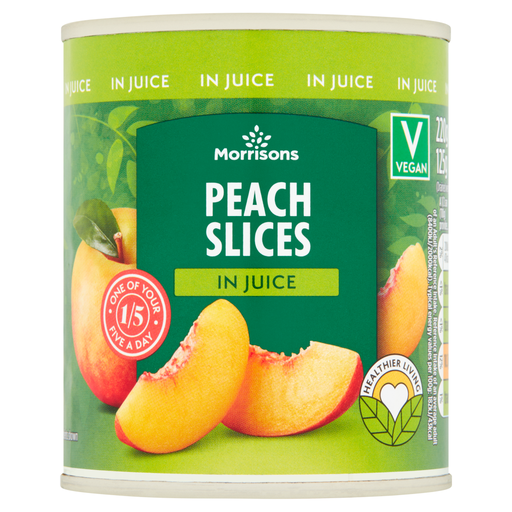
Peach slices offer a different fruit shape for a cake topping or dessert layer. This is a 220 g tin in juice; check the drained fruit quantity if your recipe specifies a weight of peaches.
 No image available
Consider peach halves when the cake or dessert method can accommodate larger fruit pieces. This is a 415 g tin in juice; check whether the recipe calls for halves or smaller pieces and measure the fruit after draining.
 No image available
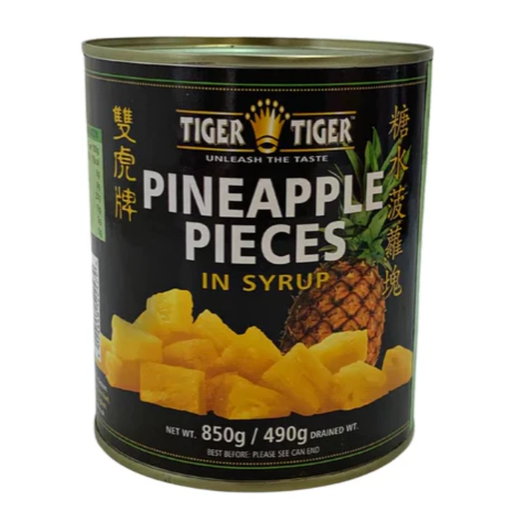
The pieces format may suit a recipe calling for cut pineapple rather than intact rings. The tin is labelled 830 g; check its drained weight, packing medium and ingredients against your recipe before buying.
Drain the fruit unless your recipe specifies some of the liquid. Marks & Spencer’s pineapple upside-down cake recipe drains the slices and reserves the juice, so follow the method rather than adding the whole tin’s contents to the mixture.
No. Choose the packing medium to suit the recipe’s intended sweetness. If you are cutting down on sugar from this ingredient, NHS guidance suggests tinned fruit in juice rather than syrup; check the exact tin’s ingredients as well.
Check the drained weight when the recipe specifies a quantity of fruit. Tesco lists a 435 g tin of Del Monte pineapple slices in juice with 260 g drained weight, illustrating why total tin weight is not the same as usable fruit weight.
Follow the storage directions on the product you buy. Tesco’s instructions for its listed Del Monte pineapple slices say to cover and refrigerate the fruit, then use it within 3–4 days.
Yes. Read the current tin for ingredients and allergen information relevant to you: Tesco cautions that food products can be reformulated, so its online information should not replace the physical label.