Households planning quick lunches
Ready-to-heat tins offer a straightforward cupboard meal. Check how much soup you expect to serve, rather than assuming that tins of the same weight make equivalent portions.


Choose ready-to-heat soup for a quick meal, or condensed soup if you also want an ingredient for cooking. If a no-added-sugar or lower-salt variant appeals, compare its total sugars and salt on the current label; across formats, check the portion size, allergens and instructions for leftovers before stocking up.
Ready-to-heat tins offer a straightforward cupboard meal. Check how much soup you expect to serve, rather than assuming that tins of the same weight make equivalent portions.
Compare pack sizes and the number of servings you will use. A smaller condensed tin intended for cooking serves a different purpose from a ready-to-heat tin.
Check the ingredients and highlighted allergens on each current label. The illustrated cream-of-tomato products include milk; Campbell’s condensed tomato soup also lists celery.
Decide whether the soup is for a quick bowl or a recipe, then compare labels using both the stated serving and a consistent per-100g basis.
| Priority | What to check | Your needs |
|---|---|---|
| Soup format | Check whether the tin is ready to heat or condensed. For condensed soup, read the preparation directions and the basis used for its serving figures. | I want a quick bowl without preparation beyond heating, or a soup I can also use in cooking. |
| Salt and sugars | Compare salt and total sugars per 100g and for the portion you plan to eat. Read the serving size before comparing a standard tin with a no-added-sugar variant or prepared condensed soup. | If soup is a regular lunch, I want to know what my actual portion contains. A no-added-sugar label does not mean the soup contains no sugars. |
| Allergens and diet | Read the current ingredients and highlighted allergens. Check vegetarian or vegan suitability separately: a vegetarian cream soup may still contain milk. | Milk or celery could affect which recipe I can use, even when two tins look similar. |
| Pack and leftovers | Check the tin weight against the number of portions you expect. Follow the particular product’s instructions for transferring, refrigerating and using opened soup. | I would rather choose a quantity my household can finish within the tin’s stated period after opening. |
Ready-to-heat and condensed soups have different uses, and a condensed soup’s nutrition may be stated for a prepared portion.
Choose the format for the meal you have in mind, then compare the preparation directions and nutrition figures on the same basis.
“No added sugar” does not mean sugar-free, while vegetarian suitability does not establish that a cream soup is milk-free. Recipes can also have different allergens.
Read total sugars, salt, serving size and highlighted allergens on the exact tin. GOV.UK explains that traffic-light labels indicate levels of fat, saturated fat, sugars and salt; use them alongside the full nutrition panel.
Use periods differ between products: the ASDA cream-of-tomato example says four days after opening, while the illustrated Heinz and M&S products say two days.
Plan portions before opening a tin, transfer leftovers as directed, refrigerate them and follow that product’s stated period.
These examples show how tomato-soup recipes and formats can differ; check the current label for the particular tin you choose.
Heinz has a ready-to-heat 400g Cream of Tomato Soup and a separate No Added Sugar variant.
Campbell’s describes its 295g condensed Cream of Tomato Soup as a soup that can also be used as a cooking base.
ASDA’s own-label Cream of Tomato Soup is a 400g vegetarian option.
Sainsbury’s has a 400g vegetarian Cream of Tomato Soup.
M&S Cream of Tomato Soup is a 400g recipe containing double cream.
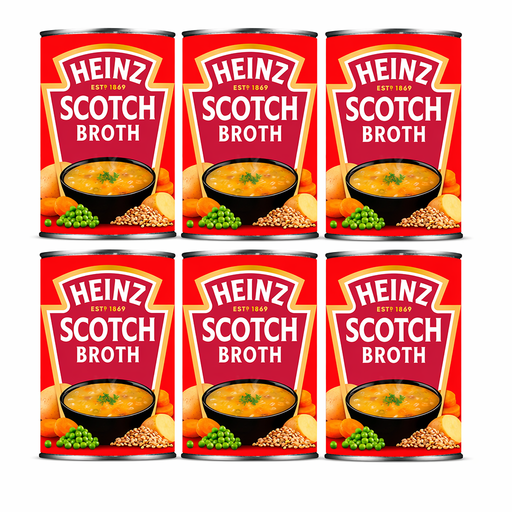
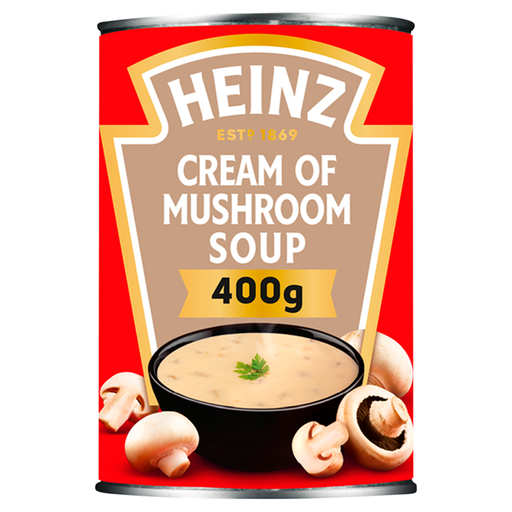
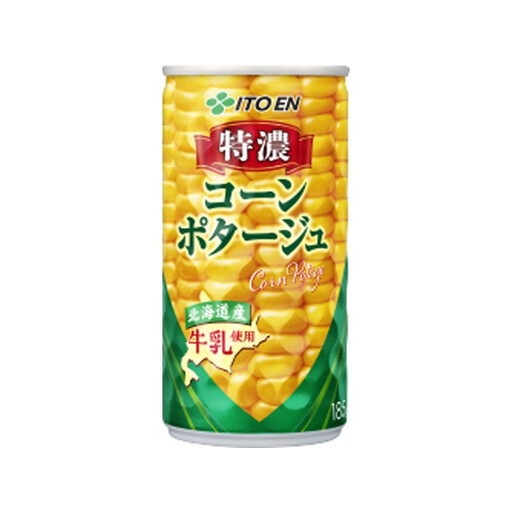
These options cover a multipack of Scotch broth, a cream-of-mushroom soup and a smaller corn potage. Choose by the meals you plan to make, and check each current label for dietary details.
 No image available
Six 400g soups offer portions to plan across several meals. Check the current ingredients for barley, wheat and mutton if these affect your choice, and read the salt figure for the portion you intend to serve.
 No image available
A 400g mushroom-soup option for a planned quick meal. Check the current label for milk and wheat, and follow its instructions for any soup left after opening.
 No image available
The 185g size may suit someone planning a smaller serving. Check the current ingredients for milk and chicken bouillon flavouring, and read the nutrition values on the can before comparing it with another soup.
Use both: per 100g helps you compare different tins on a consistent basis, while the serving figure shows the amount in the portion stated on that product. Check the preparation basis for condensed soup before comparing it with a ready-to-heat tin.
No. ASDA’s listing for Heinz No Added Sugar Cream of Tomato Soup gives 5.3g total sugars per half can and notes naturally occurring sugars. Read the total sugars line on the current label.
Do not assume they are. The illustrated Heinz, ASDA and M&S cream-of-tomato products contain milk, while Campbell’s condensed tomato soup lists both milk and celery. Check the ingredients and highlighted allergens on the exact tin.
Follow that tin’s transfer, refrigeration and use instructions. ASDA says to use its illustrated cream-of-tomato soup within four days after opening; the illustrated Heinz and M&S products specify two days.
Recycle Now advises emptying and rinsing food tins and putting tin lids inside; labels can stay on. Check your local collection arrangements if you are unsure what is accepted.