
24/7 Customer Support

Free returns

Same-day & Next-day Delivery

Quality Guaranteed

Unlock Your Welcome Offers: FREE Delivery | Up to 80% OFF | Free 30-day JoyPlus trial
Download the APP
A tinted face sunscreen can simplify a morning routine by combining facial sunscreen with a sheer tint, glow or make-up base. However, the colour and finish should not distract from the product’s main purpose: applying enough UVA and UVB protection consistently.
Many UK shoppers waste money on tinted SPF because of three common traps:
For routine commuting, shopping and short outdoor periods, an SPF 30 face sunscreen may suit some users. If you spend more time outdoors, have pigmentation concerns or prefer a higher margin of protection, look for tinted SPF 50 or SPF50+.
SPF primarily relates to UVB protection, while UVA contributes to longer-term sun-related skin changes. Look for clear UVA information on the packaging, such as a UVA mark or a stated broad-spectrum claim. A high SPF does not mean unlimited time in direct sunlight, so clothing, sunglasses, shade and sensible sun habits remain useful.
Tinted formulas vary from translucent glow products to buildable complexion fluids. Check whether the shade is described as adaptive, neutral, warm, cool or designed for a particular depth of skin tone.
A single adaptive tint may be convenient, but it may not blend identically on every complexion. Products with multiple shades can offer a more precise match. Iron oxides, mica and titanium dioxide are commonly used to create colour or luminosity, but the ingredient list can change, so check the packaging before use.
If you want a sunscreen and make-up primer, select a fluid that sets comfortably and allow it to absorb before applying foundation. Do not reduce the sunscreen quantity to achieve a more sheer finish; use a separate make-up product for additional coverage instead.
A non-greasy facial SPF may be more comfortable for oily or combination skin, while a moisturising fluid or glow finish can appeal to dry or mature skin. Silica and starches may create a less shiny feel, whereas mica or pearls can add radiance.
For tinted sunscreen for sensitive skin, review the full ingredient list rather than relying only on front-label wording. Fragrance, denatured alcohol and certain botanical extracts may not suit everyone. Mineral tinted sunscreen formulas using zinc oxide can be an option for shoppers who specifically prefer mineral filters, although texture and tint dispersion still matter.
Patch-test a new product where practical, avoid broken or irritated skin and stop using it if irritation develops.
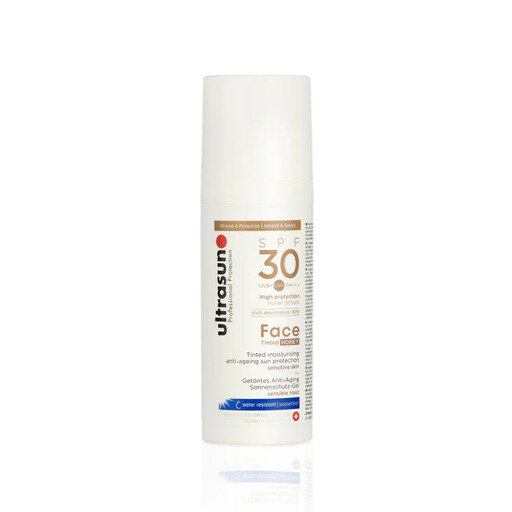
Why This Fits Their Persona: A practical starting point for weekday routines where a lightweight tint and daily SPF are preferred over a separate base product.
Its adaptive tint is described as light coverage, helping set realistic expectations instead of presenting the product as full foundation.
SPF30, lightweight texture, non-greasy feel and an adaptive radiant tint.
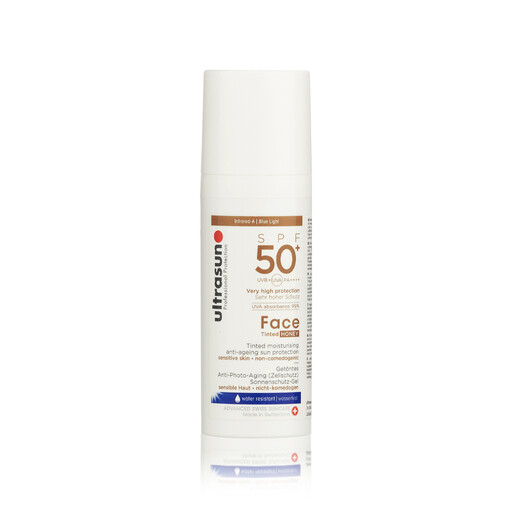
Why This Fits Their Persona: Suits shoppers prioritising high daily protection, a radiant finish and a formula positioned for sensitive skin.
The SPF50+ label makes the protection level clear, while the product information identifies the tint as light coverage rather than a heavy complexion product.
Broad-spectrum UVA/UVB protection, Ectoin in the formula and a non-comedogenic lightweight texture.
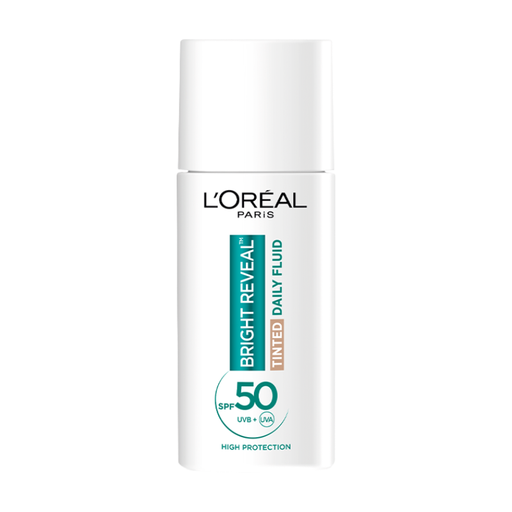
Why This Fits Their Persona: Suitable for users wanting SPF50, a tint for light coverage and a streamlined base for work or everyday make-up.
The stated 4% pigments and pearls indicate a complexion-enhancing tint, not a promise of full blemish concealment.
SPF50, 3% niacinamide and a non-comedogenic tinted fluid designed for light, buildable coverage.
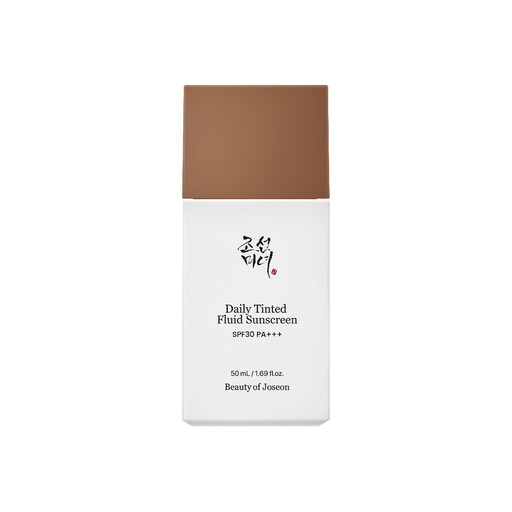
Why This Fits Their Persona: A mineral tinted sunscreen option for shoppers seeking a neutral undertone, sheer coverage and a breathable fluid feel.
The neutral MN230 shade and listed zinc oxide filter give shoppers clearer information than an unspecified one-colour tint.
SPF30 PA+++, 20.9% zinc oxide and silica in a lightweight fluid with a neutral tint.
Tinted SPF should not be judged solely by how quickly it covers redness. Check the finish in natural light, consider whether it transfers to clothing and review the ingredients if you have reactive, oily or acne-prone skin.
We have compiled a complete, real-time list of products that fully satisfy these strict selection criteria and UK safety regulations.
It can provide a more even-looking complexion and sheer coverage, but it is not automatically a substitute for foundation. Coverage depends on the pigment concentration and whether the formula is buildable. Use concealer or foundation separately where more coverage is needed, without reducing the sunscreen amount.
Choose according to your exposure and preference, while applying enough product. SPF50 or SPF50+ may be a practical choice for prolonged outdoor time or pigmentation-prone routines. SPF30 can suit everyday lower-exposure use, provided the product offers clear UVA information and is reapplied as directed.
Yes, some facial sunscreen fluids are designed to leave a smooth, non-greasy base. Allow the sunscreen to absorb first and check compatibility with your make-up. If pilling occurs, use fewer skincare layers underneath and allow each one to dry before applying the SPF.