
24/7 全天候客户支持

免费退货

当日/次日达

品质保障

开启新人专享福利: 全场免邮 | 低至 2 折 | 免费试用 30 天 JoyPlus 会员
下载 Joybuy
A tinted facial sunscreen can simplify your morning routine by combining UV protection with subtle coverage, radiance or a smoother make-up base. However, not every SPF fluid, BB cream or tone-up sunscreen is designed to replace a properly applied sunscreen.
The main challenge is separating useful features from persuasive packaging. A glowing finish may look attractive but provide little coverage; a foundation with SPF may contain too little product to deliver its labelled protection; and a pale tint can leave visible contrast on deeper complexions. Use the guide below to compare products by function rather than marketing language.
A foundation or tinted moisturiser with SPF can add useful daily protection, but many people apply less foundation than the quantity used for an SPF test. Products such as SPF15 make-up are therefore more suitable as an additional layer than as the sole sun-protection step, particularly during prolonged outdoor exposure.
For stronger everyday coverage, look for a tinted SPF50 sunscreen or SPF50 face fluid, then apply make-up afterwards if required.
“Toned-up”, brightening and pink-tinted formulas can make fair or medium complexions look more luminous, but may appear grey, pale or ashy on deeper skin. A no white cast sunscreen should still be checked for its visible tint, undertone and shade range.
Iron oxides and other colour pigments can help create a more natural finish. A shade designed for warm, neutral or cool undertones is generally easier to match than a single universal pale tint.
A luminous sunscreen can soften the appearance of dullness, but it will not necessarily conceal dark spots, redness or blemishes. Conversely, a BB cream or SPF foundation may offer more coverage but feel heavier or require more careful shade matching.
Decide whether you want a sheer facial sunscreen with tint, a sunscreen make-up primer, a tinted moisturiser with SPF, or a foundation-style product before comparing finishes.
SPF measures protection primarily against UVB, the radiation associated with sunburn. For everyday facial use, SPF30 is a practical baseline, while SPF50 or SPF50+ gives a higher labelled UVB protection level when applied correctly.
Also check the product packaging for a UVA mark or equivalent UVA information. PA ratings, such as PA+++ or PA++++, are commonly shown on some imported products and indicate UVA protection categories, but they should not be treated as a substitute for checking the full UK product labelling.
Apply generously to the face and neck, normally as the final skincare step. Reapply after swimming, heavy sweating or towel drying, and during extended direct exposure. No sunscreen removes the need for shade, clothing and sunglasses.
A mineral tinted sunscreen commonly uses zinc oxide or titanium dioxide. Tints can reduce the visible white cast associated with mineral filters, although the final result depends on the formula and your skin tone.
Chemical or organic UV filters can create lightweight, fluid textures that sit comfortably beneath make-up. Neither format automatically suits every person, so review the ingredient list if you avoid fragrance, alcohol, particular filters or essential oils.
Look for descriptions such as:
Patch test new products, especially if your skin is sensitive, and follow the current instructions printed on the packaging.
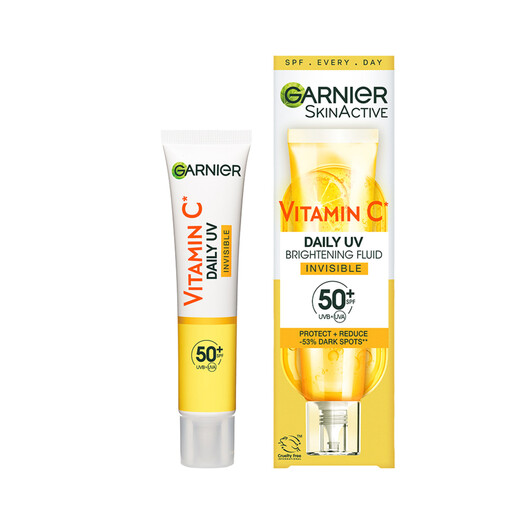
Why This Fits Their Persona: A straightforward morning option for commuters and first-time tinted SPF buyers who want high protection with a lightweight, radiant finish before make-up.
Its SPF50+ positioning avoids relying on low-SPF make-up alone, while the sheer pigment approach is less likely to look like a heavy foundation.
SPF50 protection, mineral pigments for radiance and a non-greasy fluid texture listed for all skin types and tones.
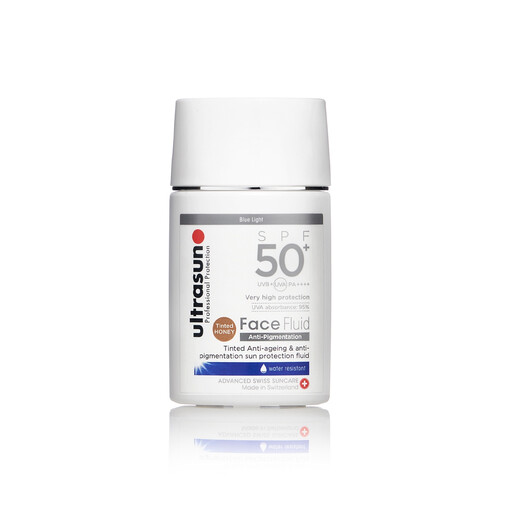
Why This Fits Their Persona: Suits shoppers prioritising a fluid, primer-like texture and a warm, adaptive tint for daily office wear, errands and make-up-free mornings.
The product information clearly identifies SPF50+, a lightweight texture and an adaptive tint, rather than promising foundation-level coverage.
Designed to work as a primer and moisturiser, with a fast-absorbing fluid and broad-spectrum SPF50+ protection.
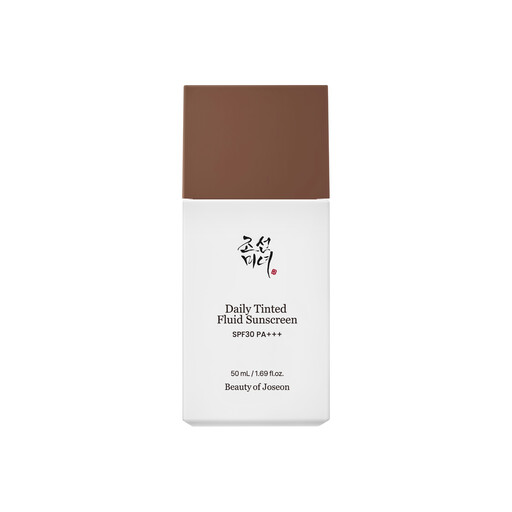
Why This Fits Their Persona: A practical match for deeper skin with warm or golden undertones, including shoppers who specifically want mineral protection without an obvious white cast.
The listed 20.9% zinc oxide formula uses iron oxide tints, addressing the common mineral-sunscreen issue of a pale or ashy residue.
SPF30 PA+++ mineral protection, warm-toned colour correction and a thin fluid texture that can be worn under make-up.
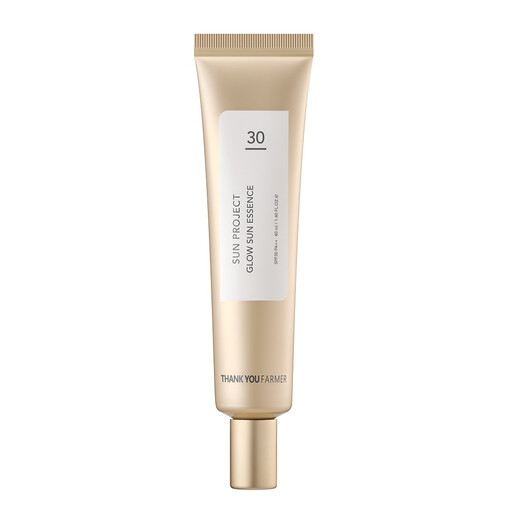
Why This Fits Their Persona: Works for dry or dull-feeling skin and for anyone wanting one hydrating layer that also creates a luminous base for light make-up.
It is positioned as a glow and hydration product rather than a coverage product, making expectations clearer before purchase.
Micro-pearls create a subtle luminous effect, while glycerin and botanical extracts support a moisture-focused essence texture.
We have compiled a complete, real-time list of products that fully satisfy these strict selection criteria and UK safety regulations.
Yes, it can be used as part of a daily morning routine. Choose SPF30 or higher, apply enough to cover the face and neck, and reapply when outdoors for extended periods or after sweating and towel drying. Use additional protective measures such as shade, clothing and sunglasses.
It can replace light foundation for some routines, but coverage varies significantly. A tinted SPF50 sunscreen usually provides sheer colour correction, while an SPF foundation or BB cream may offer more coverage. Neither should be selected solely for coverage if you will not apply enough product to achieve its labelled SPF.
Follow the period-after-opening symbol and expiry information on the packaging. Store the product away from heat and direct sunlight, and check for changes in smell, colour or texture. If irritation develops, stop using it and seek appropriate medical advice if symptoms persist.