
24/7 Customer Support

Free returns

Same-day & Next-day Delivery

Quality Guaranteed

Unlock Your Welcome Offers: FREE Delivery | Up to 80% OFF | Free 30-day JoyPlus trial
Download the APP
A tinted moisturiser with SPF can simplify a UK morning routine by combining hydration, sheer coverage and daily sun protection. It may replace a separate foundation or make-up primer, but choosing one based only on the shade or “glow” claim can lead to disappointment.
The right product depends on more than colour. SPF level, UVA protection, finish, formula ingredients and the amount you apply all affect whether a tinted sunscreen suits your routine.
Most tinted SPF products provide sheer coverage, not the medium or full coverage associated with foundation. They can soften the appearance of mild redness and uneven tone, but they may not conceal pronounced blemishes or dark circles.
Look for phrases such as buildable coverage, tone-evening tint or light coverage. If you need more concealment, use the tinted SPF as a base and add concealer selectively rather than applying multiple heavy layers.
SPF 15, SPF 25, tinted moisturiser SPF 30 and tinted moisturiser SPF 50 are not interchangeable. SPF primarily indicates protection against UVB under standard test conditions. For everyday facial sunscreen, also check whether the packaging shows a UVA logo or an equivalent UVA protection statement.
A tinted day cream with SPF 15 may suit low-exposure routines, but a higher-rated tinted sunscreen is more appropriate for prolonged outdoor time, holidays or strong summer exposure. No SPF product removes the need to seek shade, wear suitable clothing and reapply as directed.
Adaptive pigments can blend across a range of complexions, but they do not guarantee a perfect match for every undertone. Pink, neutral, golden and deeper skin tones can react differently to the same formula.
Check product shade information and, where possible, compare the tint with your neck rather than your hand. A tone-up sunscreen with pink or brightening pigments may look noticeably different from a natural beige or bronze tint.
For regular commuting, errands and office days, SPF 30 is a practical starting point. SPF 50 or SPF 50+ offers a higher labelled UVB protection level and may be preferable for extended outdoor use or pigmentation-prone skin.
Apply a generous, even layer to the face, neck and other exposed areas. Using too little reduces the protection delivered in real use. Make-up and tint do not change the product’s application requirement.
Choose according to how you want your skin to look and feel:
A hydrating tinted moisturiser may reduce the need for a separate morning moisturiser, while an oil-free or non-comedogenic tinted sunscreen may be preferable for people concerned about a heavy finish or blocked pores. “Non-comedogenic” is a product description rather than a guarantee that every individual will tolerate the formula.
Sensitive skin shoppers should review the complete ingredient list, particularly fragrance, alcohol denat. and botanical extracts. Mineral tinted sunscreen formulas commonly use zinc oxide or titanium dioxide, while other products use organic UV filters or a combination.
If you are acne-prone, compare texture, oil content and the manufacturer’s non-comedogenic description. If you have reactive skin, patch test before applying a new product across the whole face and stop use if irritation develops.
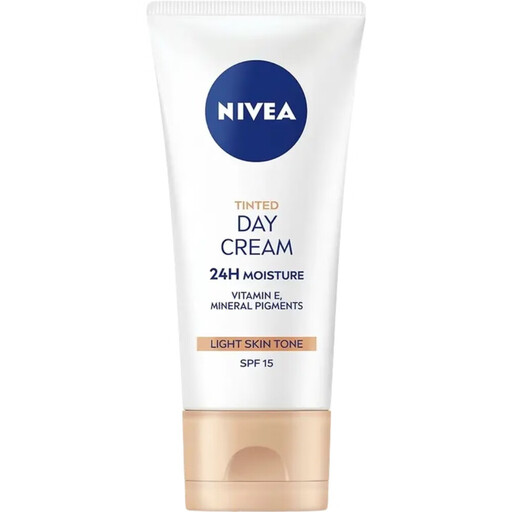
Why This Fits Their Persona: A straightforward option for shoppers who want light colour correction and moisturisation in one step for low-exposure days in the UK.
Its SPF 15 is clearly stated, so buyers can recognise that it is a lower-protection tinted day cream rather than a substitute for high-SPF outdoor sunscreen.
Contains vitamin E and mineral pigments; offers a lightweight tint designed for light skin tones.
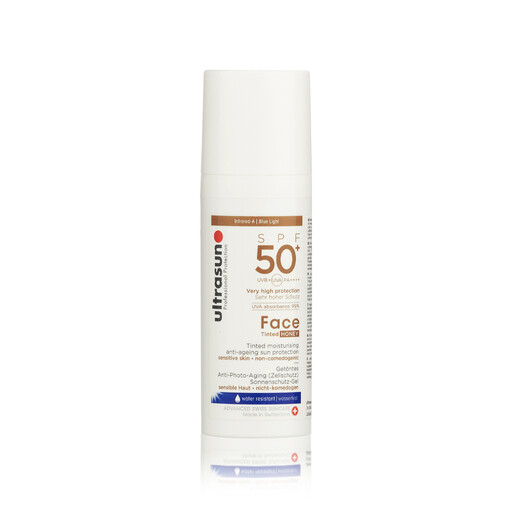
Why This Fits Their Persona: Suitable for shoppers prioritising a high labelled SPF, a lightweight texture and a subtle radiant tint for daily commuting or outdoor routines.
The product information specifies SPF50+, light coverage, an adaptive tint and a non-comedogenic formula, making its role clearer than a generic glowing day cream.
Listed as suitable for sensitive skin; can be used instead of or over moisturiser.
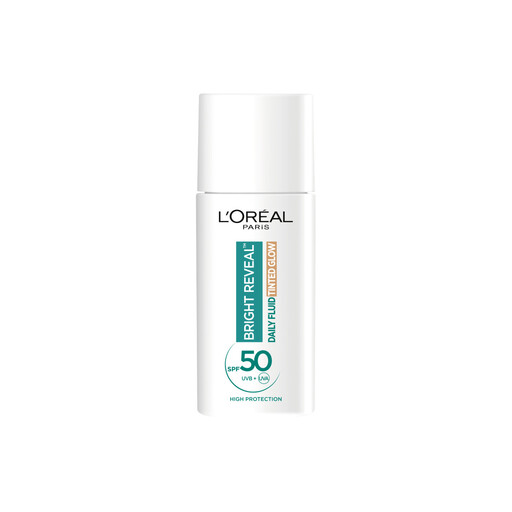
Why This Fits Their Persona: A practical choice for medium to medium-deep skin tones seeking a bronze glow, sheer coverage and a make-up-priming texture.
The stated shade range is specific, helping shoppers avoid assuming that one “universal” bronze tint will suit every undertone.
SPF50+; includes niacinamide and is described as non-sticky, non-oily and non-comedogenic.
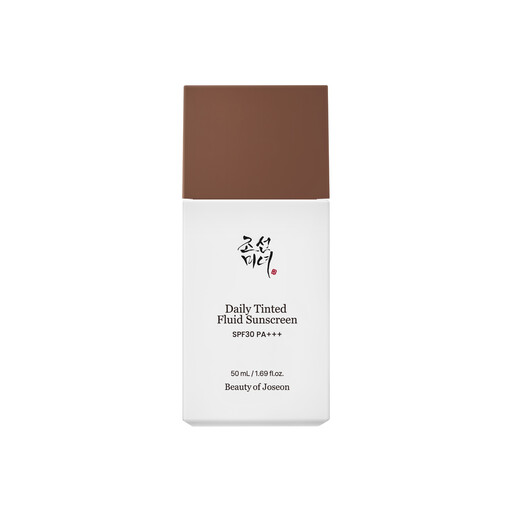
Why This Fits Their Persona: Designed for shoppers looking for a warm yellow-toned tint, a fluid mineral formula and a soft, shine-controlled finish.
The DY300 shade description identifies warm yellow undertones, while the SPF 30 and 20.9% zinc oxide details clarify what buyers are selecting.
Pure mineral zinc oxide filter; fluid texture with silica and mugwort extract listed in the formula.
Shake fluid formulas before use so pigments are distributed evenly. Apply the stated amount to clean, dry skin as the final skincare step, allowing it to settle before make-up. Reapply after sweating, swimming, towelling or extended outdoor exposure.
Tinted SPF can transfer onto collars and light clothing, particularly before it has dried. Avoid direct eye contact and check the packaging for the latest ingredients, batch information and storage guidance.
We have compiled a complete, real-time list of products that fully satisfy these strict selection criteria and UK safety regulations.
SPF 30 can be suitable for routine daily wear when applied generously and evenly. Choose SPF 50 or SPF 50+ for longer outdoor exposure, summer travel or when you want a higher labelled protection level. Check the product’s UVA marking as well.
Shelf life varies by product and storage conditions. Follow the packaging’s period-after-opening symbol and expiry guidance. Replace the product if its smell, colour or texture changes, or if it has been stored in excessive heat or direct sunlight.
It can replace foundation when you want sheer, natural coverage. For more visible blemishes or pigmentation, use a separate concealer. Do not apply less sunscreen simply to achieve a lighter make-up finish, as reducing the amount lowers the intended protection.