
24/7 Customer Support

Free returns

Same-day & Next-day Delivery

Quality Guaranteed

Unlock Your Welcome Offers: FREE Delivery | Up to 80% OFF | Free 30-day JoyPlus trial
Download the APP
A tinted sunscreen SPF50 can simplify a morning routine by combining broad-spectrum UV protection, sheer complexion coverage and a more comfortable finish than traditional foundation. However, not every tinted SPF suits every skin tone, skin type or daily routine.
The main buying mistake is assuming that a glow, tint or premium-looking bottle automatically means the product offers the protection and wearability you need. Before choosing a daily facial sunscreen, check the protection level, shade range, finish and ingredient list rather than relying on phrases such as “radiant”, “tone-up” or “anti-pigmentation”.
Tinted sunscreen is designed primarily for sun protection, not full foundation coverage. Most formulas provide sheer or light, buildable coverage that can soften the appearance of redness and uneven tone. They may not conceal pronounced dark spots, blemishes or post-acne marks without a separate concealer.
Also check the stated rating. SPF30 and SPF50 are not interchangeable, particularly if you spend time outdoors, commute on foot, drive regularly or have concerns about pigmentation. A tinted SPF30 may be suitable for everyday incidental exposure, while SPF50 or SPF50+ gives a higher labelled level of protection when applied correctly.
A tint can reduce the white cast associated with some mineral sunscreen formulas, but one shade cannot suit every undertone. A product that looks neutral in the bottle may appear orange, grey, pink or too pale once blended.
Look for shade descriptions such as warm, neutral or golden, and consider whether you want a true complexion match or a tone-up effect. If you are buying online, compare the available shade names and product imagery carefully.
A glow sunscreen may look attractive initially but feel greasy on an oily T-zone. Conversely, a matte formula may cling to dry patches or feel tight after several hours. Fragrance, alcohol denat., exfoliating ingredients and richer emollients can also affect comfort for sensitive or blemish-prone users.
The right formula depends on how you intend to wear it: alone, over moisturiser, beneath make-up or during extended outdoor activity.
For a daily facial sunscreen, look for SPF30 or SPF50, plus clear UVA protection information. In the UK, a product may display a UVA circle, star rating or PA system depending on its market and packaging. “Broad-spectrum UV protection” generally refers to coverage against both UVA and UVB, but always check the actual product label.
SPF mainly communicates UVB protection. UVA protection is also relevant to long-term sun exposure and visible pigmentation concerns. No sunscreen makes prolonged sun exposure risk-free, so hats, shade and clothing remain useful.
A mineral sunscreen commonly uses zinc oxide or titanium dioxide. These filters can appeal to shoppers who prefer mineral protection, although tint, texture and blending ability vary considerably.
Chemical or organic filters are often used in lightweight fluid formulas and can produce an invisible finish. Some products combine different filter technologies. Neither texture category guarantees suitability for sensitive or acne-prone skin, so check the full ingredient list and patch test if you are prone to reactions.
A lightweight sunscreen can feel comfortable, but applying too little reduces the level of protection achieved. Use a generous, even layer over the face, ears and neck, following the packaging directions. Many facial formulas suggest approximately two finger lengths for the face and neck, although product instructions should take priority.
Reapply after sweating, swimming, towelling or extended time outdoors. Make-up can make reapplication difficult, so a tinted fluid that works without foundation may be more practical for everyday use.
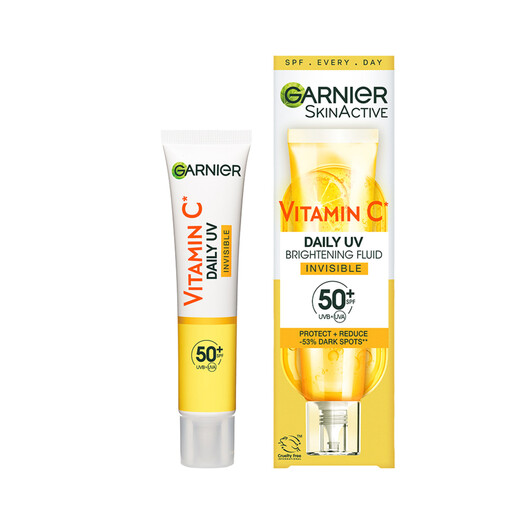
Why This Fits Their Persona: A practical option for UK shoppers who want a lightweight daily facial sunscreen with a subtle glow without adding a separate illuminating primer.
It clearly states SPF50+ protection and uses a sheer fluid format, helping avoid the common mistake of selecting a heavy product for daily wear.
Contains a vitamin C derivative, niacinamide and mineral pigments for a sheer luminous finish. The listed formula is non-greasy and non-sticky.
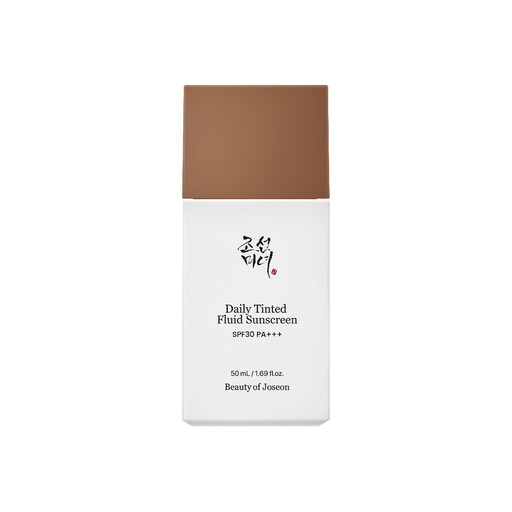
Why This Fits Their Persona: Suits shoppers who prioritise a mineral sunscreen, neutral undertone and breathable, no-make-up coverage for regular UK routines.
The product identifies its active mineral filter as 20.9% zinc oxide and provides a shade code, making the protection and colour choice easier to assess.
Offers SPF30 PA+++, silica for shine management and iron oxide pigments. It can be applied with fingers, a sponge or a brush.
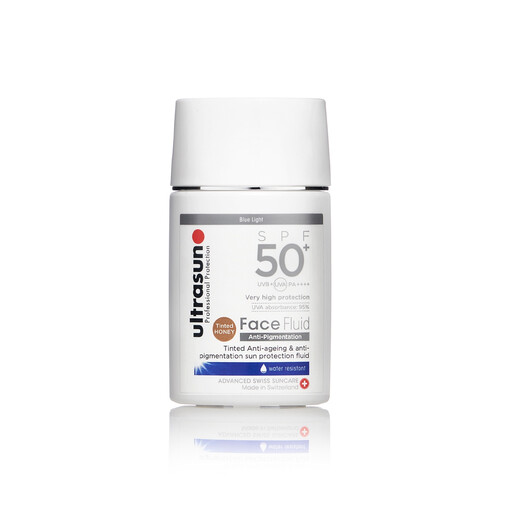
Why This Fits Their Persona: A useful match for shoppers focused on pigmentation concerns who want SPF50+ and a warm adaptive tint for commuting, travel or longer outdoor days.
Its product information specifies SPF50+, a tint and a lightweight fluid format rather than relying only on broad glow or anti-ageing language.
Listed features include an ultra-light texture, natural tint, primer use and a non-comedogenic formula. The product information advises applying two finger lengths.
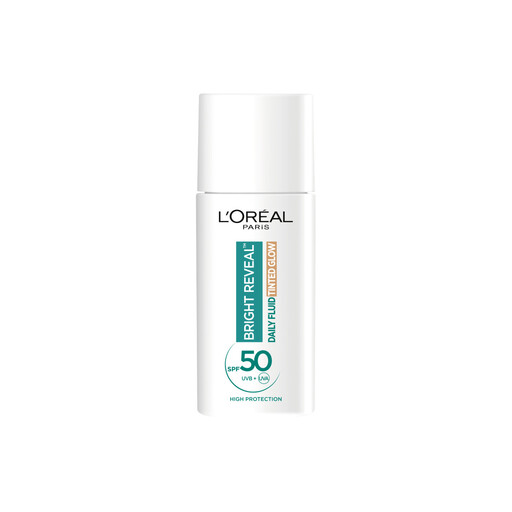
Why This Fits Their Persona: Designed for medium to medium-deep complexions seeking a bronze glow, light coverage and a sunscreen primer in one morning step.
The shade positioning is stated clearly, helping shoppers avoid ordering a bronze tint without considering whether it matches their complexion.
Provides SPF50, niacinamide, light coverage and a non-sticky, non-oily finish according to the product details. It is also described as suitable for use beneath make-up.
We have compiled a complete, real-time list of products that fully satisfy these strict selection criteria and UK safety regulations.
If you have sensitive or acne-prone skin, introduce one new product at a time and stop use if redness, itching or discomfort develops. Avoid applying sunscreen to broken or irritated skin unless advised by a healthcare professional.
Yes, an SPF50 facial sunscreen can be used as part of a daily morning routine. It is particularly practical for people concerned about uneven tone or who prefer sunscreen with coverage. Apply the amount stated on the packaging and reapply when exposed to strong or prolonged sunlight.
It can replace foundation when you only want sheer, natural coverage. Tinted SPF can soften the appearance of minor redness and unevenness, but it usually will not provide full coverage for prominent marks. Add a separate concealer where needed rather than applying too little sunscreen overall.
Sunscreen should be stored according to the packaging instructions and checked for its expiry or period-after-opening guidance. Changes in smell, colour, texture or separation may indicate that it should no longer be used. Always check the current ingredient list, batch information and directions printed on the product packaging.