
24/7 Customer Support

Free returns

Same-day & Next-day Delivery

Quality Guaranteed

Unlock Your Welcome Offers: FREE Delivery | Up to 80% OFF | Free 30-day JoyPlus trial
Download the APP
A persistent cold or a bout of hay fever often brings an unwelcome companion: a red, sore and irritated nose. While reaching for a tissue is second nature, standard tissues can feel rough and abrasive with repeated use, making a sensitive situation even more uncomfortable. The friction from wiping can strip the skin of its natural moisture, leading to dryness and chafing.
Finding the right facial tissue is about more than just absorbency; it's about protecting your skin. This guide is designed to help you navigate the options for tissues for sensitive skin. We will explore what makes a tissue gentle, from its ply count to its ingredients and offer some practical recommendations to help you find soothing relief when you need it most.
Choosing the right tissue involves looking beyond the box design. Here are a few key factors to consider to ensure you get the comfort and protection your skin deserves.
The term 'ply' refers to the number of layers that make up a single sheet. While standard tissues are often 2-ply, opting for 4-ply tissues or even higher can make a significant difference. These thicker, multi-layered sheets provide a much softer cushion, reducing friction against the skin. They are also stronger and more absorbent, making them effective tissues for colds and runny noses. Materials also matter; look for sustainably sourced pulp or alternatives like bamboo, which is known for its soft fibres.
Many premium tissues are infused with gentle ingredients to help counteract irritation. These are often marketed as lotion tissues or balsam tissues. Common additives include:
These moisturising facial tissues leave behind a delicate, protective layer that helps prevent the skin from becoming dry and chapped.
For those with allergies or particularly reactive skin, choosing hypoallergenic tissues is crucial. These products are formulated without common irritants such as perfumes, dyes and certain chemicals. They provide a simple, gentle clean without introducing substances that could trigger a reaction, making them an ideal choice for general use and especially as allergy tissues.
Here are a few standout options that prioritise skin comfort and protection.
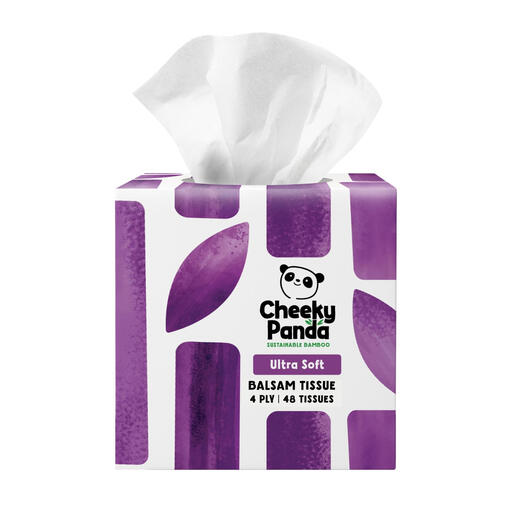
Why It Stands Out: This product combines skin-soothing care with a strong environmental commitment. Made from FSC-certified bamboo, these tissues are a sustainable choice. The infusion of aloe vera provides a gentle, balsam effect that calms the skin with every use.
Pros:
Who is it for? Ideal for the eco-conscious individual who needs a gentle, effective tissue for a runny nose and doesn't want to compromise on sustainability.
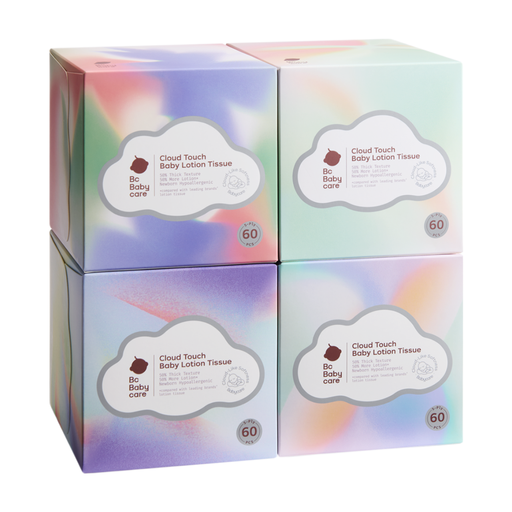
Why It Stands Out: With an impressive 5-ply structure, these tissues offer exceptional thickness and durability. They are enriched with a glycerin-based emollient for extra hydration and are specifically designed to be gentle enough for a baby's delicate skin, making them a superb choice for anyone with high sensitivity.
Pros:
Who is it for? Perfect for families with young children or anyone seeking maximum softness and protection during a heavy cold, flu or allergy season.
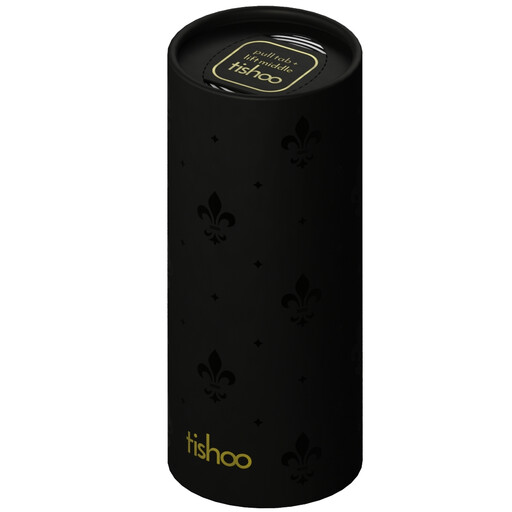
Why It Stands Out: This product brings a touch of cosmetic science to facial tissues. Infused with hyaluronic acid, a premium moisturising agent, these ultra soft tissues are designed to actively care for your skin. The chic and practical tube packaging is perfect for a car cup holder or a stylish addition to a desk or bedside table.
Pros:
Who is it for? A great fit for the style-conscious user who values high-performance skincare ingredients and practical, on-the-go convenience.
If you appreciate the comfort that 4-ply tissues provide for your nose, you might also be interested in exploring similar options for your bathroom. Extending that same principle of multi-layered softness to everyday essentials can elevate your daily routine.
Discover our selection of multi-ply toilet paper for everyday softness and strength.
1. Are lotion tissues good for sensitive skin? Yes, lotion tissues are specifically designed for sensitive skin. They contain gentle moisturisers, such as glycerin or aloe vera, which help reduce friction and prevent the skin from drying out. This makes them an excellent soft tissue for a runny nose during colds or allergy flare-ups.
2. What is the difference between 2-ply, 3-ply, and 4-ply tissues? 'Ply' refers to the number of paper layers in each sheet. A standard tissue is typically 2-ply. Tissues with 3 or 4-ply construction offer significantly more softness, strength and absorbency. The extra layers create a thicker cushion that is gentler on the skin, reducing the risk of irritation from frequent wiping.
3. Can I use hypoallergenic tissues for my baby? Generally, yes. Hypoallergenic tissues are formulated without common irritants like perfumes and dyes, making them a safer choice for delicate skin. Products specifically marketed for babies, like the Bc Babycare option, are often a reliable choice. However, it is always wise to check the full ingredient list and if you have any concerns, perform a patch test on a small area of skin first.