Regular bagel eaters with limited space
If bagel halves are your usual breakfast, slot fit and the exact bagel-setting behaviour matter alongside the toaster’s size. Dualit and Sage publish bagel features for specific two-slice models.


For regular bagel halves, start with a two-slice toaster whose slots fit the bagels you buy and whose bagel setting is documented if you want one-sided browning. Measure the worktop and allow for the operating clearance in the model’s instructions; a four-slice or long-slot toaster is worth considering when making several portions at once matters more than saving space.
If bagel halves are your usual breakfast, slot fit and the exact bagel-setting behaviour matter alongside the toaster’s size. Dualit and Sage publish bagel features for specific two-slice models.
A two-slice format may suit your usual portions, but check the appliance dimensions and the space its instructions require around it while operating.
If two slots are usually enough but shared breakfasts are common, compare the extra capacity of four-slice or long-slot models with the worktop space they occupy.
Check whether your bagels fit and how the bagel setting works, then measure a safe operating position. Consider extra slots only if you will use the capacity.
| Concern | What to check | Who this matters to |
|---|---|---|
| Bagel fit and browning | Compare your bagel halves with the stated slot dimensions. If you want one-sided browning, check what the exact model’s bagel setting does. | If I regularly toast thick bagel halves, I need them to fit without forcing them in and want to know which side will brown. Around 43% of consumers put bagel fit and operation first. |
| Worktop space | Measure the appliance footprint and follow its manual for clearance around and above it during use. | With little clear worktop, I need a place where the toaster can stand and operate safely. For around 43% of consumers, usable space is the primary concern. |
| Shared breakfasts | Compare two- and four-slice capacity with each model’s width and depth; check whether separate controls would be useful. | When several people want toast together, I would rather make more portions in one cycle, provided the larger appliance fits. Batch capacity comes first for around 14% of consumers. |
Wide slots address physical fit, not how the heating elements operate. Smeg describes one-sided browning for its TSF02 bagel function; a toaster described as suitable for bagels need not work the same way.
If browning the cut side differently matters, check the exact model’s bagel instructions and loading orientation.
Appliance dimensions alone do not account for the clearance required while it is on. Sage’s toaster guidance, for example, calls for space around and above the appliance and advises against enclosed placement.
Measure the intended position against the instructions for the model you choose, including separation from flammable materials.
Dualit warns that slices thicker than 36 mm can get stuck in its Lite toaster. Slot suitability depends on the food as well as the advertised slot width.
Compare the halves you usually buy with the slot opening, and never force food into the toaster.
Bagels can shed crumbs. Dualit warns that accumulated crumbs can burn, while Russell Hobbs advises regular crumb-tray cleaning.
Check that you can reach the tray easily. Unplug the toaster and let it cool before removing crumbs.
These model-specific features can help you compare formats; check the specification of the toaster you intend to buy.
The Lite 2 Slice is relevant when a documented bagel setting and measured slot width are priorities.
The Smart Toast range offers two- and four-slice formats for different worktop and portion needs.
Consider the specific model when choosing between two-slice and longer four-slice formats.
Kenwood lists two- and four-slot toasters for buyers comparing different capacities.
These two- and four-slice options are relevant if you are weighing bagel fit against worktop space or occasional extra capacity. Check each model’s instructions if a dedicated one-sided bagel setting is essential.
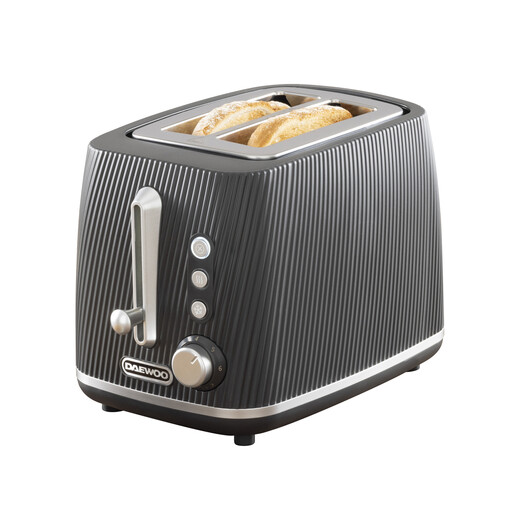 Image unavailable
Consider its extra-wide slots if fitting bagel halves is your priority; confirm the fit of the bagels you buy and check the controls if you need one-sided browning.
Joybuy lists dimensions of approximately 19.7 × 18.3 × 28.0 cm.
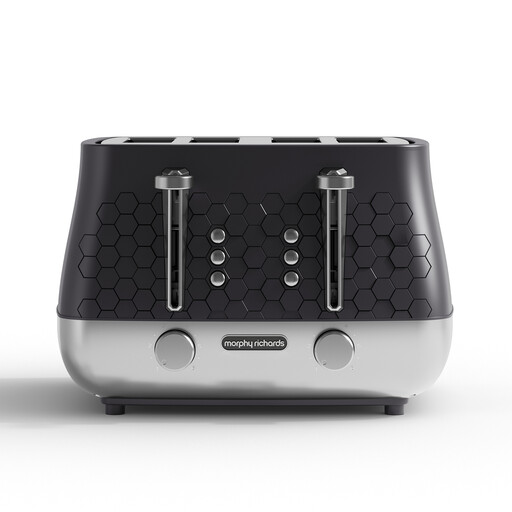 Image unavailable
The four-slice format may suit shared breakfasts when making more portions at once matters more than keeping the appliance small.
The product name specifies wide slots; check their fit for your bagels, the toaster’s worktop dimensions and whether its controls include the bagel behaviour you want.
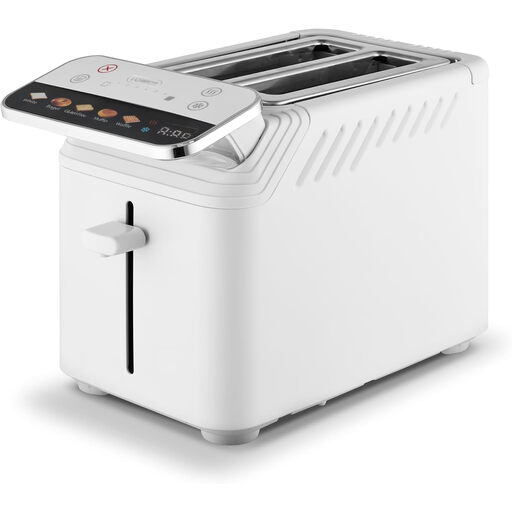 Image unavailable
Its two-slice format and extra-wide slots are relevant to bagel halves, but check slot fit, worktop dimensions and the exact bagel-setting instructions before choosing it.
The product name specifies a memory function and 925 W rating; its mention of bagels does not, by itself, establish one-sided browning.
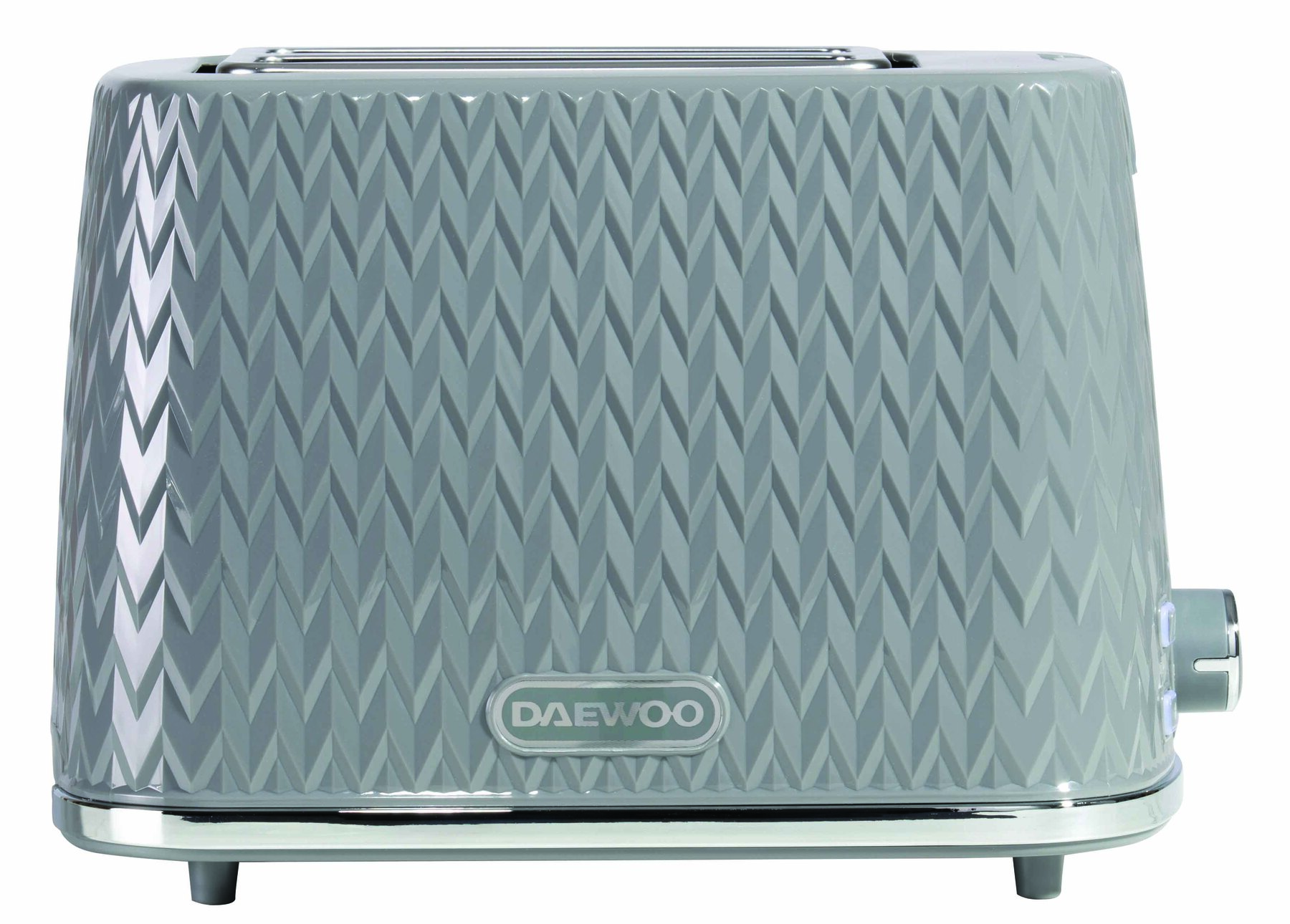 Image unavailable
This two-slice model is an option when you usually make one bagel at a time. Check the slot opening against your bagel halves and measure its position on the worktop.
The product name specifies wide slots; confirm the controls separately if one-sided bagel browning matters.
Check the instructions for the exact toaster. Smeg says the bagel function on its TSF02 browns one side, but slot width or a product description mentioning bagels does not establish how another model’s controls work.
Follow the operating-clearance instructions for the model you buy, not just its external dimensions. Sage’s cited toaster guide specifies at least 10 cm at the sides and 20 cm above for the toaster covered by that guide and advises against enclosed placement; those measurements are not a rule for every model.
Unplug the toaster and let it cool before cleaning its crumb tray. Russell Hobbs advises removing and cleaning the tray regularly; Dualit warns that accumulated crumbs can burn.
Yes, if warranty cover affects your choice, read the terms for the exact model and purchase channel. Check what the manufacturer or seller offers and any conditions that apply, rather than assuming the same cover across brands.