Regular fruit-bread toaster
If you often toast thick fruit bread or teacakes, check the slot’s width, length and usable height against the slices you buy. A description that says only 'wide' will not settle every dimension.


Choose a toaster by checking both your usual fruit-bread slice and the space available for the appliance. A wide slot may accommodate a thick slice without being long or tall enough for it; adjustable browning and an accessible crumb tray matter for everyday use, while specialised settings or controls are worth considering when they match your routine.
If you often toast thick fruit bread or teacakes, check the slot’s width, length and usable height against the slices you buy. A description that says only 'wide' will not settle every dimension.
If you normally toast one or two slices, compare a two-slice toaster’s stated width and depth with the worktop or storage space you can give it.
If clear controls or easier toast removal matter to you, look beyond slice capacity at the available stop control, high lift and handling features.
Measure your usual fruit-bread slice and your available worktop space before weighing up settings and handling features. Which? has reported substantial variation in toaster-slot dimensions, so a wide-slot description alone is not a substitute for model-specific measurements.
| Concern | What to check | Who this matters to |
|---|---|---|
| Fruit-bread fit | Compare the thickness, length and height of your usual slice with the slot measurements; do not rely on 'wide' alone. | I want my usual fruit-bread slice to fit without forcing it into the carriage. Around 33% of consumers put slice fit first. |
| Browning control | Look for adjustable browning and a cancel control; consider a stated Fruit Bread setting if you would use it regularly. | When my loaves or slice thicknesses change, I want to adjust the toast rather than assume one setting will suit them all; browning is the primary concern for around 27% of consumers. |
| Worktop space | Compare the appliance’s stated width and depth with your clear space, and choose the slice capacity you normally use. | With little room on the worktop, I need the toaster to fit alongside the things I use every day. For around 27% of consumers, footprint comes first. |
| Cleaning and handling | Check for a removable crumb tray and, if useful, high lift or suitable toast tongs. | I want to remove smaller pieces without reaching into the slots and clear away crumbs easily; around 13% of consumers make cleaning and handling their main priority. |
A slot may accept a thick slice but still be too short or too shallow for a larger one.
Measure the slices you usually buy. If the slot measurements are not listed, ask the retailer or manufacturer for them before choosing that model.
Morphy Richards advises against forcing in bread that is too thick because it can affect operation and damage the mechanism.
Choose a slot that accommodates the slice normally, or prepare an oversized slice another way.
A damaged mechanism could leave the toaster unsuitable for the bread you bought it to toast.
The same setting need not produce the same result with different bread or a toaster warmed by an earlier batch.
Look for adjustable browning and a way to stop the cycle, then try one slice of your usual fruit bread at a cautious setting.
Fruit bread can leave crumbs, and a small toaster still needs care around its heated slots and electrical parts.
As Electrical Safety First advises, unplug the toaster before cleaning it. Let it cool before emptying the crumb tray, and do not put fingers or metal implements into the slots.
The two-slice BTA720UK is worth considering if a stated Fruit Bread setting is important to you.
The two-slice Textures 21641 is an option when your bread is thick rather than unusually long.
The Includeo TT533840 may suit consumers who want easier-to-read controls and help removing smaller pieces.
The two-slice TAT8611NGB offers stated dimensions for checking a restricted worktop.
The 2 Slice NewGen Classic is an option if replaceable components matter to you.
These two- and four-slice toasters offer different ways to approach fruit-bread fit and worktop space. Check your usual slice against the slot and the appliance against your kitchen before choosing; the four-slice option also calls for a closer capacity and space check.
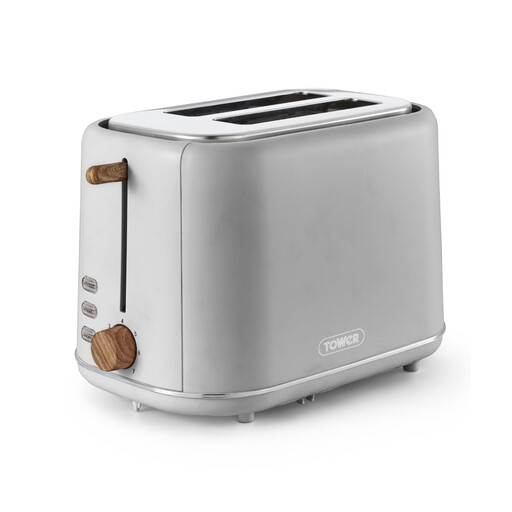 Image unavailable
Consider this model if you normally toast one or two slices and want adjustable browning. Its title specifies wide slots and 800 W; compare your fruit-bread slice and available worktop space with the model’s measurements before buying.
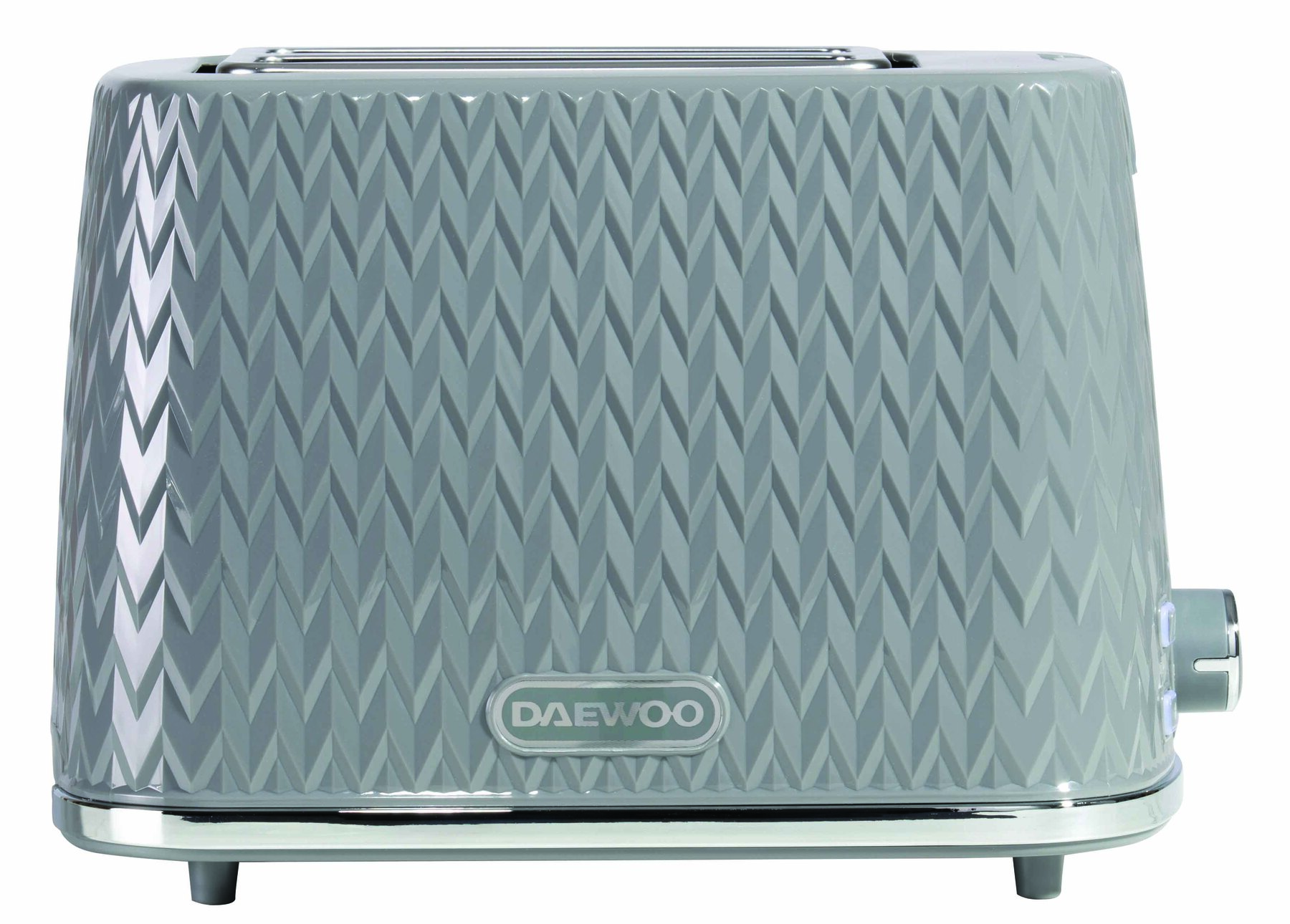 Image unavailable
The two-slice design may suit a smaller household, while the wide slots make this a model to check for thicker fruit bread. Confirm both slot fit and appliance dimensions against your bread and worktop.
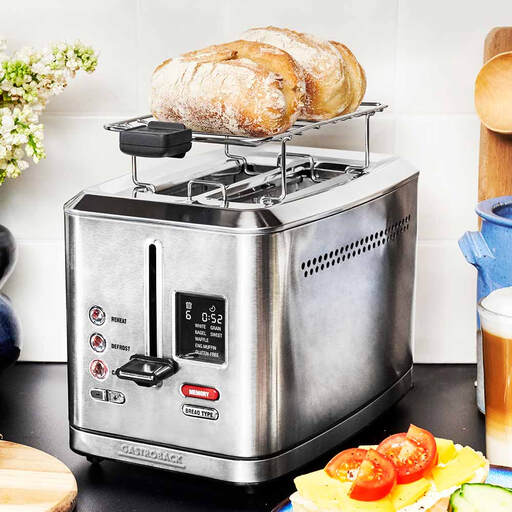 Image unavailable
Consider this model if you want a two-slice toaster with bread programmes as well as wider slots. Its title specifies seven toast programmes, extra-wide slots and 950 W; check the programme choices, slice fit and appliance height for your kitchen.
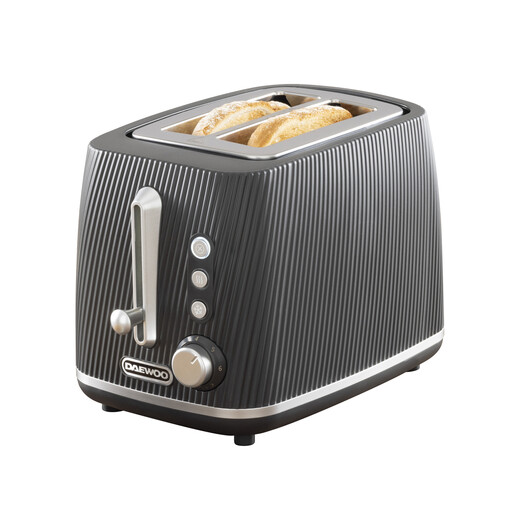 Image unavailable
This two-slice model lists wide slots, making it relevant if thicker fruit bread is your main concern. Compare the slot and appliance measurements with your usual loaf and available worktop space.
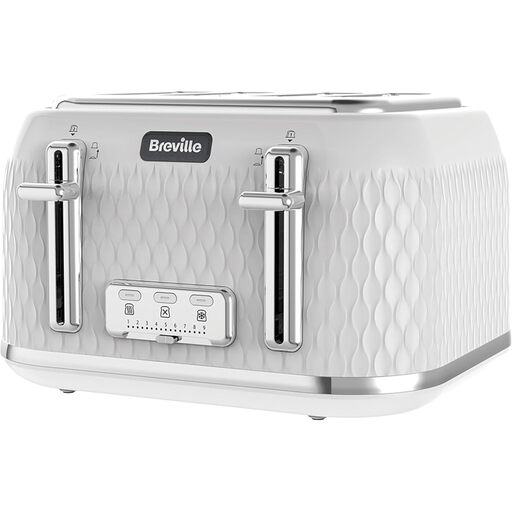 Image unavailable
Consider four-slice capacity if you regularly toast more than two pieces at once and have room for the appliance. Its title lists wide slots and high lift; check the exact slot fit and overall dimensions before committing worktop space.
Not necessarily: 'wide' addresses thickness but does not establish usable slot length or height. Which? has found that slot dimensions vary, so compare your usual slice with the model’s measurements where available.
You may need to adjust it when the bread type or thickness changes. Morphy Richards advises making small adjustments and testing one slice; a toaster warmed by earlier batches may also need a lower setting.
Unplug the toaster, let it cool and empty its removable crumb tray regularly. Electrical Safety First advises cleaning only while unplugged; do not put water or metal implements into the slots.
Check that the appliance has a standard UK three-pin plug and fuse, and buy from a reputable retailer, as Electrical Safety First advises. For equipment placed on the Great Britain market, GOV.UK sets out electrical-equipment safety requirements directed at businesses; a product listing alone does not establish a particular appliance’s compliance.