Regular buyers of thick seeded loaves
If you cut your own slices or buy thicker seeded bread, compare your usual slice with the toaster’s stated slot capacity. Browning controls and safe removal matter too, but neither makes an oversized slice fit.


Choose a two-slice toaster only after checking that your usual seeded slices fit its slots and that it has a safe place to stand on your worktop. Adjustable browning, high lift and a removable crumb tray are useful for everyday use, but a compact body is a poor trade-off if your bread is too large for the slots.
If you cut your own slices or buy thicker seeded bread, compare your usual slice with the toaster’s stated slot capacity. Browning controls and safe removal matter too, but neither makes an oversized slice fit.
A two-slice toaster may suit the portions you normally make. Check its external dimensions and cable storage against the space where you will use or store it.
Seeds and crumbs can collect in a toaster. Electrical Safety First advises frequent crumb-tray cleaning, so look for a tray you can remove and follow the appliance’s placement and cleaning instructions.
For seeded bread in a small kitchen, check the bread’s fit and the toaster’s safe operating position before weighing up everyday controls.
| Concern | What to check | Who this matters to |
|---|---|---|
| Slice fit and browning | Compare your thickest and tallest slice with published slot dimensions where available; check the browning controls. | If my hand-cut seeded slices are thick or uneven, I want them to fit without being forced in and to toast to a shade I can adjust; around 50% of consumers put slice fit and browning first. |
| Worktop space and capacity | Check external dimensions and whether two slots cover the number of slices you usually make at once. | When I make one or two slices, I need the toaster to leave usable worktop space; around 30% of consumers put footprint and everyday capacity first. |
| Cleaning and placement | Look for a removable crumb tray and check the model’s operating clearances in its manual. | Fallen seeds make me want a tray I can empty and a place where the toaster can stand clear of nearby items; around 20% of consumers put cleaning and safe placement first. |
A wide-slot description does not establish whether a particularly tall or hand-cut slice will fit. The slice may catch or leave part of the bread outside the toasting area.
Measure a typical large slice and compare it with published slot dimensions. If dimensions are unavailable, check the retailer’s return terms before ordering.
A removable tray makes cleaning easier, but it does not prevent debris collecting. Electrical Safety First advises cleaning the tray frequently to help prevent fire.
Empty the tray regularly, following the model’s instructions. Unplug the toaster and let it cool before cleaning or dealing with stuck bread.
A compact appliance still needs room around it. Sage’s Smart Toast manual, for example, specifies 10 cm at the sides and 20 cm above; those distances apply to that model, not every toaster.
Check the clearances in the manual for the model you intend to buy before deciding where it will stand.
Its two-slice Groove 26390 and Textures 21640 offer different published features to compare for thick bread and limited space.
The Hive two-slice toaster has published external dimensions that can help with a worktop-space check.
Its Domus and specialist bun toaster provide published bread-size information for consumers whose usual food may not suit a compact two-slice model.
The Smart Toast manual provides model-specific guidance for bread size and placement.
These two-slice models provide starting points for small-batch toasting. Compare the slots with your usual seeded slices and check each model’s placement instructions before choosing.
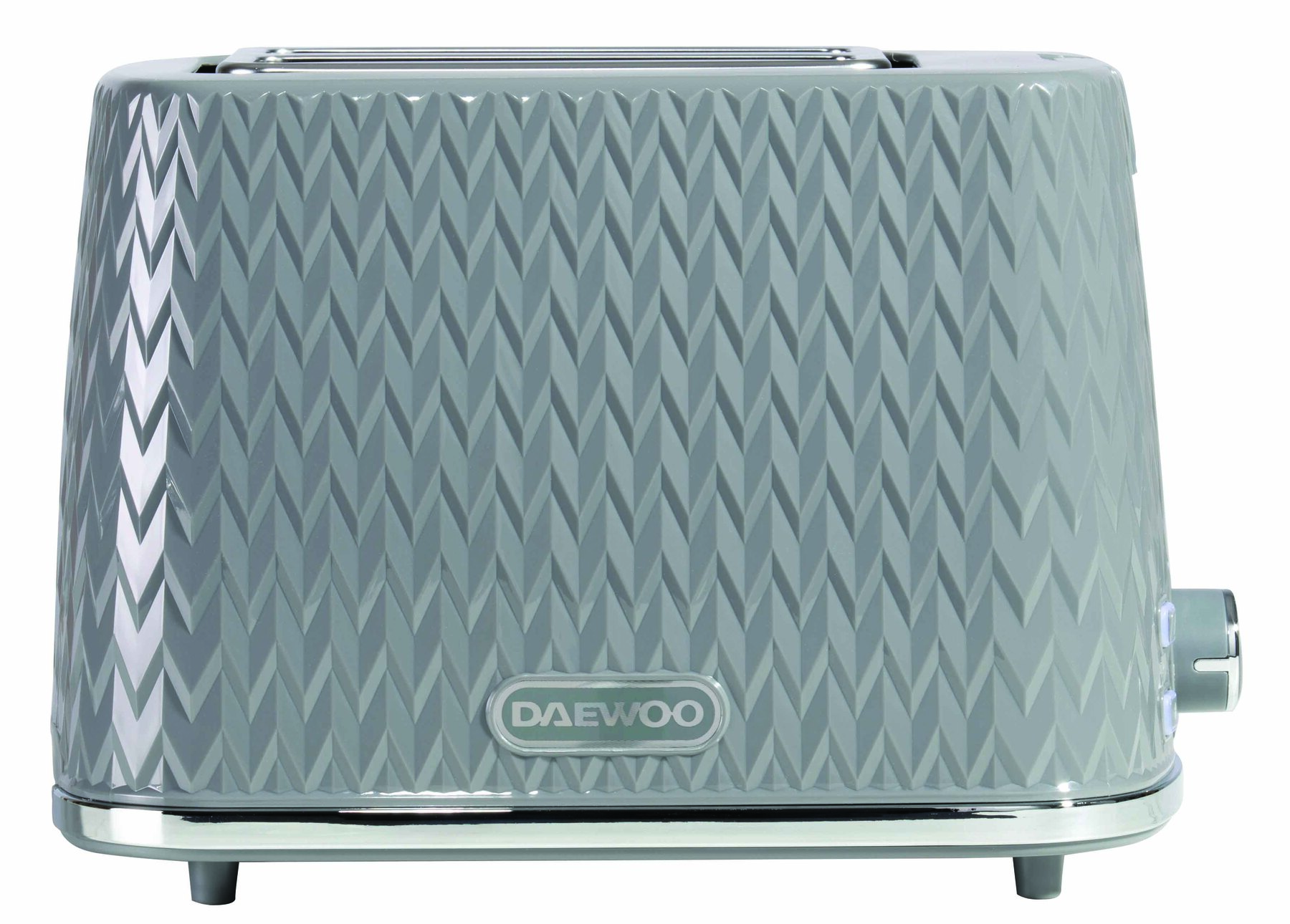 No image available
Its stated wide slots make this a model to consider for thicker seeded slices, provided your usual bread fits. Compare slot and external dimensions with your bread and worktop, and check the model’s placement instructions.
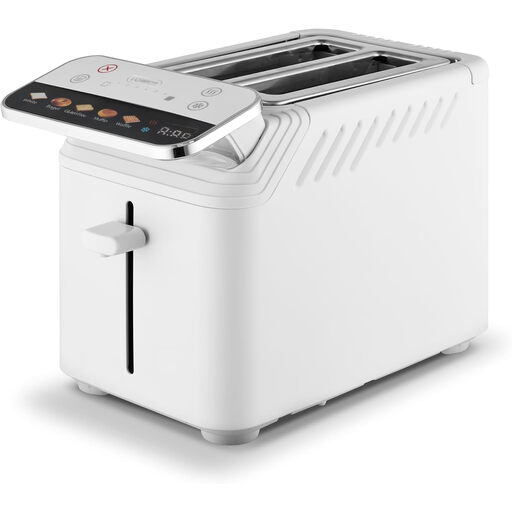 No image available
Its stated extra-wide slots are relevant if thicker bread is your main concern, though fit still depends on your slice. The product name also identifies a memory function and a 925 W rating; check slot dimensions, worktop fit and placement instructions before buying.
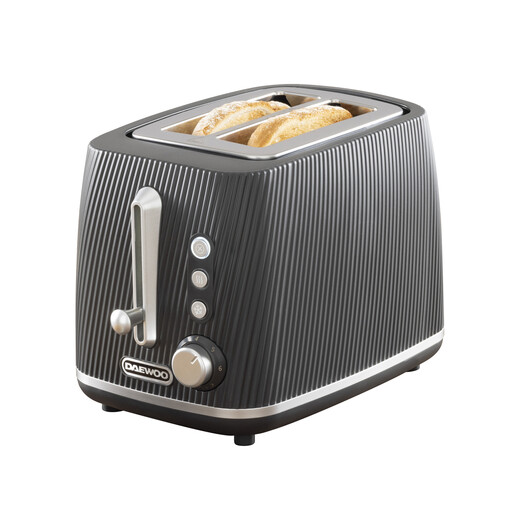 No image available
Its stated wide slots make it worth checking for thick seeded slices, but the description alone cannot confirm that your loaf will fit. Compare the slot and external dimensions with your bread and worktop, then check the placement instructions.
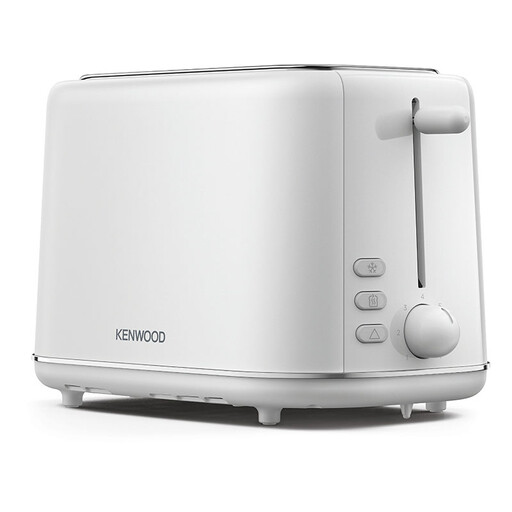 No image available
This two-slice model is an option for small batches, but check its slot measurements against your thickest seeded slice rather than assuming it will fit. Check the appliance’s placement instructions as well.
Start with whether your usual slice fits the slots without being forced. Then consider adjustable browning, high lift for removing smaller pieces and a removable crumb tray for fallen seeds; a wide-slot label alone cannot confirm the fit of an unusually tall slice.
Yes, if the bread fits and you follow your toaster’s instructions. A Russell Hobbs manual advises extra care with seeded items, while Electrical Safety First recommends frequent crumb-tray cleaning; unplug the appliance and let it cool before dealing with stuck bread.
Unplug the toaster, let it cool and empty its crumb tray regularly. Follow the cleaning directions for your model; Dualit’s guidance for its 6 Slot Classic, for example, describes removing the tray before gently emptying loose crumbs into a sink or bin.
Check the plug and fuse details for the exact toaster and read its manual for operating clearances before choosing a place for it. For Great Britain, the Office for Product Safety and Standards describes the Electrical Equipment (Safety) Regulations 2016 as applying to equipment placed on the GB market; if you are buying in Northern Ireland, check the applicable seller documentation separately.