Thick-cut seeded-loaf buyers
If you regularly cut thick or crusty slices, compare their measurements with the toaster’s stated slot size. Adjustable browning also lets you choose a shade for the loaf you use.


For normally sized seeded slices, start with a wide-slot toaster with adjustable browning and a removable crumb tray. Choose a long-slot model if your usual slice overhangs a conventional slot, or four slots if several people need toast at once. Measure your bread and compare it with published slot dimensions where available: a “wide-slot” label alone does not establish fit.
If you regularly cut thick or crusty slices, compare their measurements with the toaster’s stated slot size. Adjustable browning also lets you choose a shade for the loaf you use.
If slices from your farmhouse, sourdough-style or homemade loaf extend beyond a conventional slot, look at long-slot models and check both slot length and width.
If several slices need to be ready together, four slots may matter more than a smaller appliance. Check for separately controlled pairs if people prefer different browning settings.
Check whether your usual slice fits before choosing capacity or extra controls; none of those features makes an undersized slot longer.
| Concern | What to check | Who this matters to |
|---|---|---|
| Slice fit | Measure your usual slice and compare its thickness and length with published slot dimensions. Confirm fit before buying if dimensions are unavailable. | If my hand-cut seeded slices overhang or need forcing into the slots, fit comes before extra settings. Around 36% of consumers put slice fit first. |
| Browning control | Look for adjustable browning; consider a mid-cycle viewing feature if you often change loaves or shade preferences. | When my seeded loaves vary, I want to adjust the shade rather than rely on one setting. Browning control is the main concern for around 29% of consumers. |
| Serving capacity | Compare two slots with four; check for independently controlled pairs if different settings are needed at the same time. | At a shared breakfast, I need several slices ready together without making repeated batches. Around 21% of consumers prioritise serving capacity. |
| Cleaning and retrieval | Check for a removable crumb tray, high lift and controls you can use comfortably. | If crumbs build up or small pieces are awkward to remove, manageable cleaning and retrieval matter most. They come first for around 14% of consumers. |
Width does not tell you whether a long, tall or hand-cut slice will fit. Russell Hobbs publishes 135 mm × 33 mm slots for the Classics 27390, while Dualit specifies 260 mm-long, 36 mm-wide slots for the Long Slot Lite.
Measure the slices you buy and compare them with the dimensions of the particular model. If dimensions are unavailable, ask the manufacturer or retailer to confirm fit.
Four slots let you toast more slices at once, but slot count does not establish that a long seeded slice will fit.
Choose the number of slots for the servings you need, then check slot length and width separately.
Electrical Safety First advises cleaning out the crumb tray frequently to help the toaster work properly and prevent fire.
Choose a removable tray you can empty regularly, and unplug the toaster before cleaning.
Electrical Safety First warns against putting metal items or fingers into a toaster because of electric-shock and burn risks.
Unplug the toaster first. Electrical Safety First advises using wooden tongs if toast is stuck.
The Classics 27390 is a reference point for thick but conventionally sized slices.
The Long Slot Lite addresses slices from larger artisan or farmhouse loaves.
Its cited models offer different approaches to bread fit, shade settings and four-slice capacity.
The Dawn TFP09 is relevant when several people need toast at once.
The two-slot Includeo TT533840 focuses on retrieval and readable controls.
These two- and four-slice models are choices to consider for normally sized seeded slices and shared breakfasts. Check the fit of your usual slice before choosing one, particularly if you buy long or hand-cut loaves.
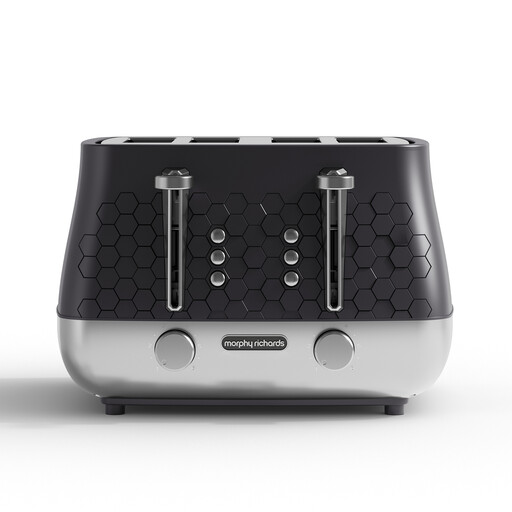 No image available
Consider four slots if several people need seeded toast at the same time.
The product name specifies wide slots. Compare their dimensions with your usual slice, and check the plug and fuse before purchase.
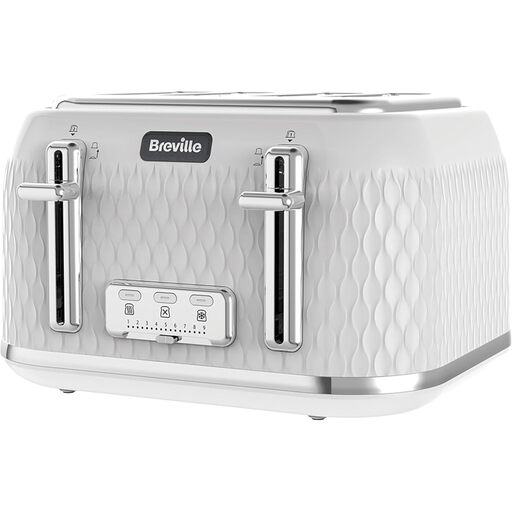 No image available
Consider this four-slice format for shared breakfasts, particularly if high lift matters for removing smaller pieces.
The product name specifies wide slots and high lift. Confirm that your seeded slices fit and check the plug and fuse before purchase.
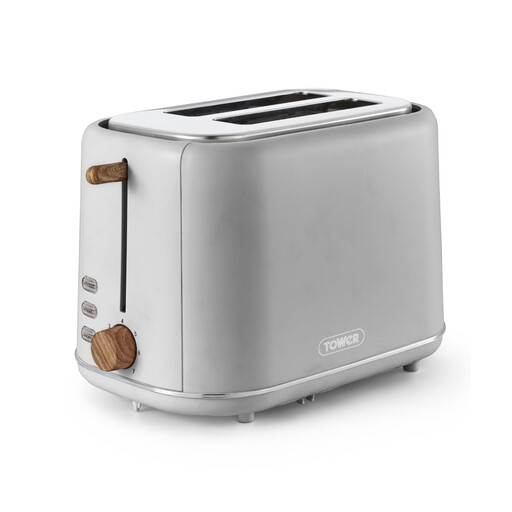 No image available
A two-slice option for smaller batches of seeded toast.
The product name specifies wide slots, adjustable browning and 800 W. Check slice fit, particularly for long or thick cuts, and confirm the plug and fuse before purchase.
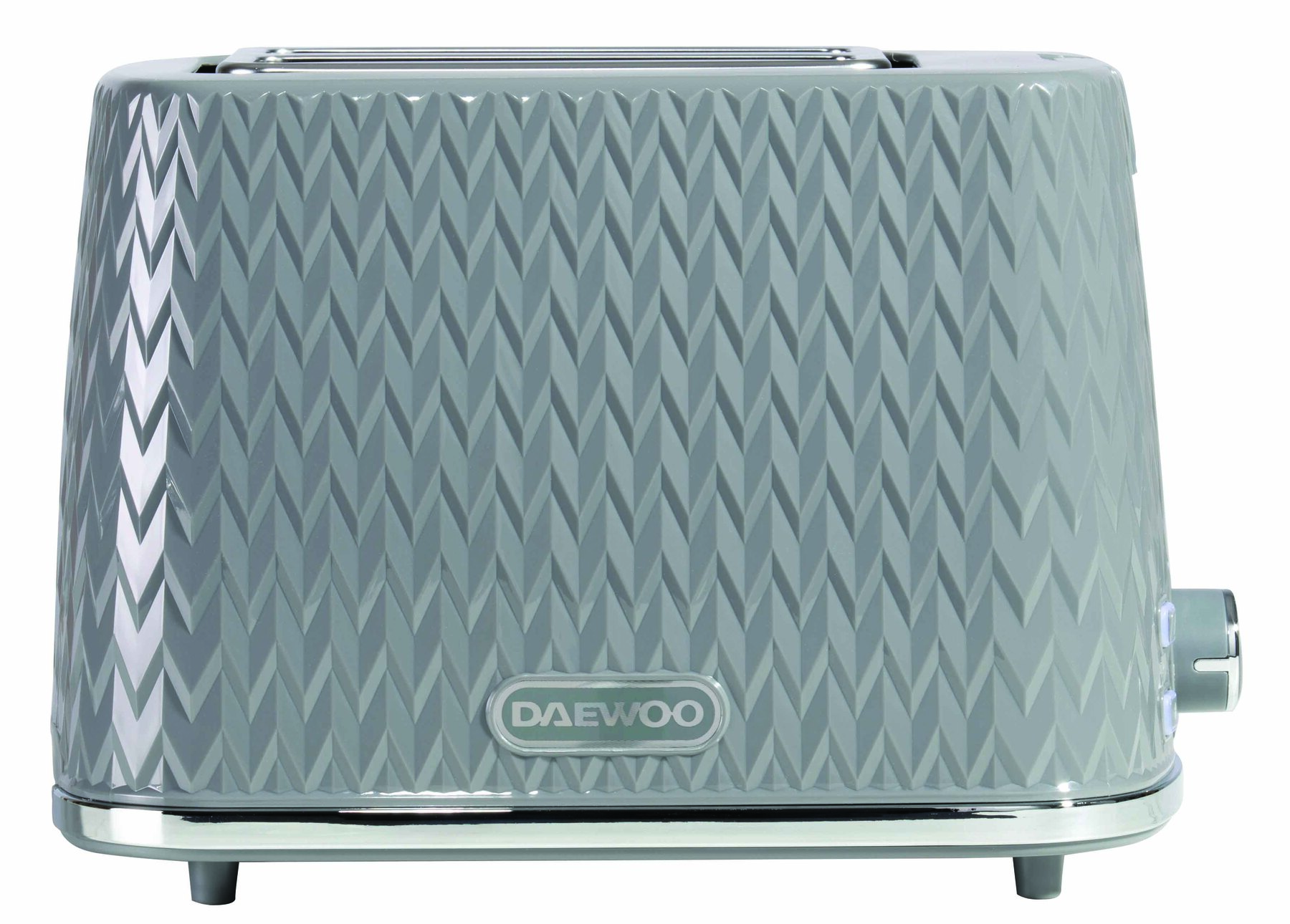 No image available
Consider this two-slice model when you usually make a small batch rather than serving several people together.
The product name specifies wide slots. Confirm their fit for thick or long seeded slices, along with the plug and fuse, before purchase.
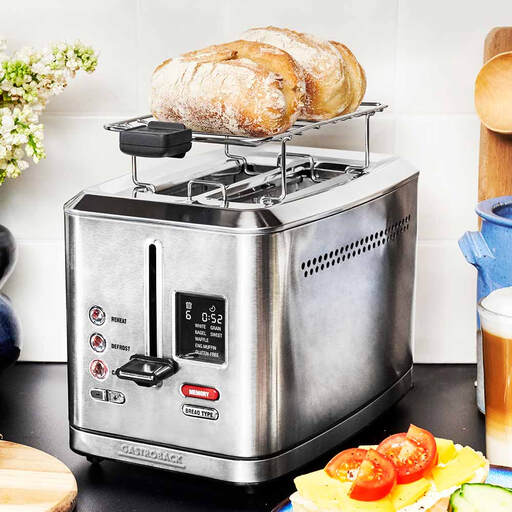 No image available
Consider this two-slice option if you want programme choices when changing between bread types.
The product name specifies seven toast programmes, extra-wide slots, bagel and gluten-free settings, and 950 W. Confirm slice fit and the plug and fuse before purchase.
Not necessarily: the size of your usual slice is the deciding factor. A conventional wide-slot model may suit thick but normally sized slices; for unusually long or hand-cut slices, compare your bread with the measurements of a long-slot model.
Choose a removable crumb tray and empty it frequently. Electrical Safety First advises unplugging the toaster before cleaning and keeping water or cleaner out of its interior.
Check that the toaster has a standard UK three-pin plug and fuse, as Electrical Safety First advises, and buy from a reputable retailer. Electrical Safety First also recommends registering the appliance so you can be contacted about a safety recall.