Thick-cut rye bread buyers
If you buy thick-cut, bakery or homemade rye, the slice needs to fit without being squeezed or protruding too far above the slot. Dualit’s toaster guidance recommends wide or adjustable slots for thick bread.


Choose a toaster by the size of the rye bread you usually buy: wide or adjustable slots address thick slices, while unusually long slices call for a long-slot design. For a single afternoon snack, two-slice capacity may be enough; four slices or independently controlled pairs are more relevant when several people want toast. Check browning control and crumb-tray access, but do not let extra functions take priority over whether the bread fits.
If you buy thick-cut, bakery or homemade rye, the slice needs to fit without being squeezed or protruding too far above the slot. Dualit’s toaster guidance recommends wide or adjustable slots for thick bread.
If your afternoon break usually means one or two slices, concentrate on bread fit, adjustable browning and cleaning access rather than unused slice capacity.
If several people want toast at once, four-slice capacity may matter more. Separate controls for each pair are worth checking when people prefer different shades.
Start with the dimensions of your usual rye slice, then decide how many slices you make at once. Browning controls and cleaning access matter after those choices.
| Concern | What to check | Who this matters to |
|---|---|---|
| Bread fit | Compare your rye slice with the stated slot width and internal length; check for a long-slot format if length is the problem. | If my usual slice is thick or cut from a large loaf, I need it to fit without squeezing or cutting it down. Around 42% of consumers put bread fit first. |
| Browning control | Look for adjustable browning and a cancel function; start at a lower setting with an unfamiliar loaf. | When my rye loaves vary in thickness or moisture, I want to adjust the shade instead of relying on one setting. Browning control comes first for around 33% of consumers. |
| Slice capacity | Choose capacity for the number of slices you normally make; check paired independent controls if different shades are needed at once. | For a shared afternoon break, I want to prepare several slices without making everyone wait for a separate batch. Around 17% of consumers prioritise capacity. |
| Cleaning and handling | Check for a removable crumb tray and follow the manufacturer’s instructions for cleaning and stuck toast. | With regular use, I want to clear crumbs easily and deal with a trapped slice without reaching into a plugged-in toaster. Cleaning and handling are the primary concern for around 8% of consumers. |
Four-slice capacity does not tell you whether thick or unusually long rye will fit. Which? has highlighted differences in toaster slot size, including the difficulty of fitting some large artisan slices.
Measure a typical slice and check the slot dimensions. Choose a long slot when slice length, rather than thickness, is the obstacle.
Thickness and moisture affect toasting speed. Breville advises lower settings for dry or thin bread and higher settings for moist or thick bread.
Begin at a lower setting with a new rye loaf, then adjust after the first slice.
Electrical Safety First warns that metal cutlery used to retrieve trapped toast can cause serious electric-shock injury.
Unplug the toaster first, then use wooden tongs. Do not reach into a plugged-in toaster.
Electrical Safety First advises frequent crumb-tray cleaning to help keep a toaster working properly and prevent fire.
Check that the tray is accessible, and unplug the toaster before emptying or cleaning it.
Relevant if your rye comes in larger or thicker-cut slices and you are considering a long-slot toaster.
Relevant if you want to compare conventional two- and four-slice models with adjustable controls.
Relevant if four-slice capacity and separate settings for two pairs would suit a shared break.
Relevant if you are considering a four-slice long-slot format for standard slices or larger bread.
These two- and four-slice choices cover wide-slot and long-slot formats for different rye slices and serving sizes. Compare slot dimensions with your bread and check the electrical specifications for your location before buying.
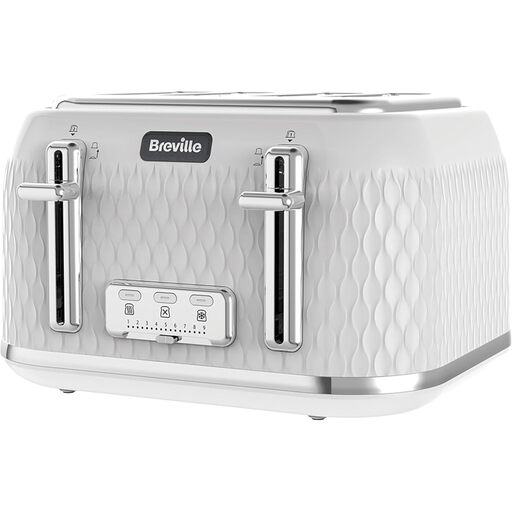 No image available
Consider its four-slice format for a shared afternoon break, while checking that your usual rye slices fit the slots.
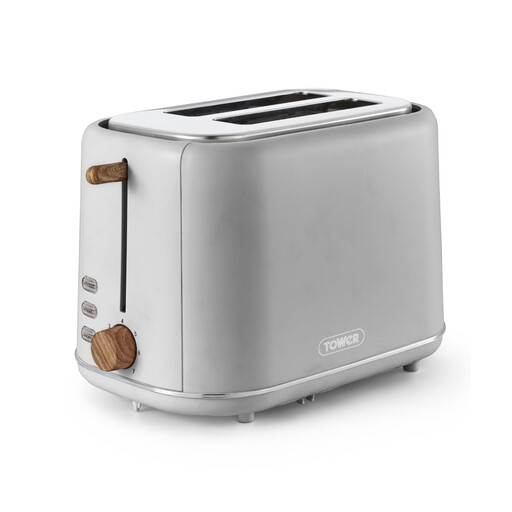 No image available
Its two-slice capacity suits an afternoon snack for one; check the slot dimensions if you buy thick-cut rye.
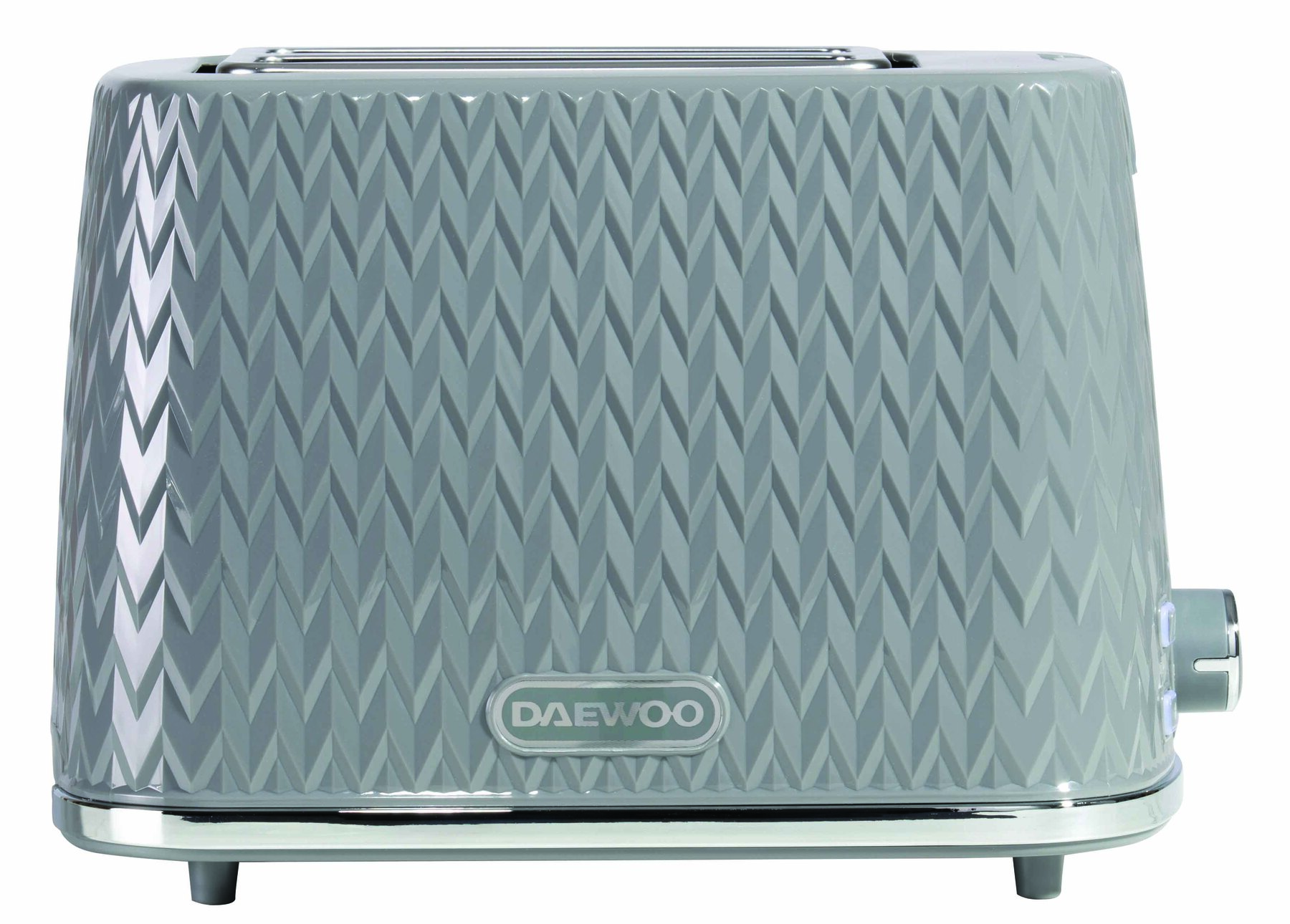 No image available
This is another two-slice option for a single rye-toast break, provided the slots accommodate your usual cut.
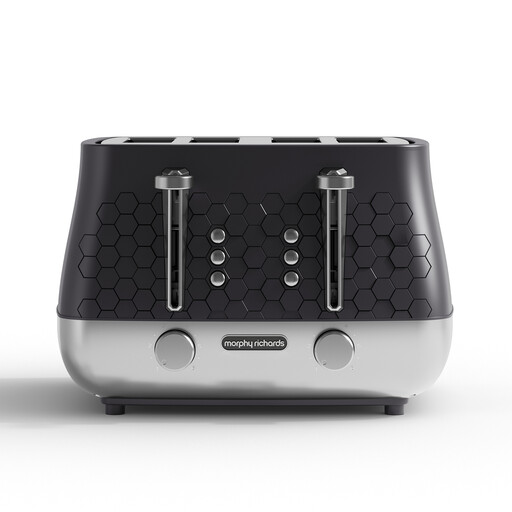 No image available
Its four-slice capacity is relevant when several slices are needed together; confirm the slot fit for your rye before choosing it.
 No image available
Consider the long-slot format if your rye slices are awkward to fit into conventional slots, but compare their measurements before buying.
Only if the rye slices you usually buy are too long for a conventional slot. Wide or adjustable slots address thickness instead; measure a typical slice and compare both dimensions with the toaster you are considering.
Start at a lower setting with an unfamiliar loaf, then adjust after the first slice. Breville notes that dry or thin bread toasts more quickly than moist or thick bread, so one setting will not suit every loaf.
Unplug the toaster before trying to remove it. Electrical Safety First advises using wooden tongs and warns against using metal cutlery to retrieve trapped toast.
Empty it frequently as part of regular toaster care. Electrical Safety First links crumb-tray cleaning with keeping the appliance working properly and helping to prevent fire; unplug the toaster before cleaning it.