
24/7 Customer Support

Free returns

Same-day & Next-day Delivery

Quality Guaranteed

Unlock Your Welcome Offers: FREE Delivery | Up to 80% OFF | Free 30-day JoyPlus trial
Download the APP
Watching your child take their first steps towards independent mobility is a memorable milestone. Choosing their very first bike is an equally important decision. For many UK parents, the traditional route of stabilisers is being replaced by a more intuitive alternative: the toddler balance bike. These pedal-free bikes allow children to focus on the core skills of balance and steering, often making the eventual transition to a pedal bike a much smoother process.
However, the market is filled with options, from simple wooden frames to convertible models. To help you find a suitable and safe first bike for your toddler, we've analysed the key features to look for and compiled some of our top recommendations. This guide is designed to provide practical shopping advice, helping you make an informed choice for your little one's first cycling adventure.
Before looking at specific models, it's helpful to understand the key features that make a good kids balance bike. Focusing on these three areas will ensure you select a bike that is safe, comfortable and offers long-term value.
A correctly sized bike is crucial for both safety and confidence. Your child should be able to sit on the saddle with their feet flat on the ground and a slight bend in their knees. This allows them to push off and stop with control. Look for an adjustable balance bike with a seat and handlebars that can be raised as your child grows. This not only provides better value for money but also ensures the bike remains a comfortable fit for longer.
When it comes to toys for young children, safety is paramount. For balance bikes, look for models that comply with UK and EU safety standards, such as EN71. Key features to consider include:
Some models offer more than just a basic balance bike experience. A 2 in 1 balance bike might convert from a three-wheeled trike to a two-wheeled bike, making it suitable for a wider age range, from a baby balance bike to one for a pre-schooler. Others come with removable pedals and stabilisers, providing a complete learn to ride bike solution in a single package. These versatile ride on toys can be a practical investment that adapts to your child's developing skills.
Here are a few standout options that cater to different needs, ages and preferences.
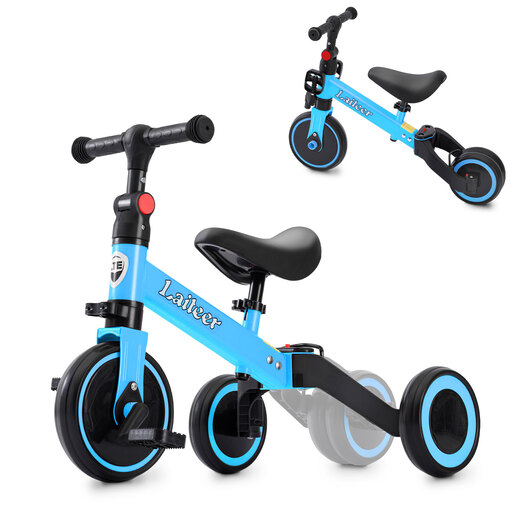
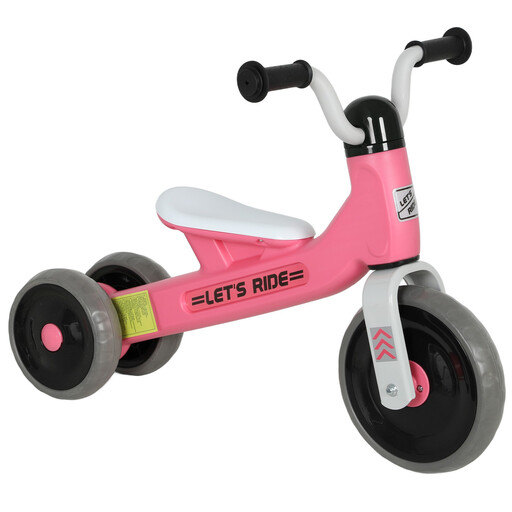
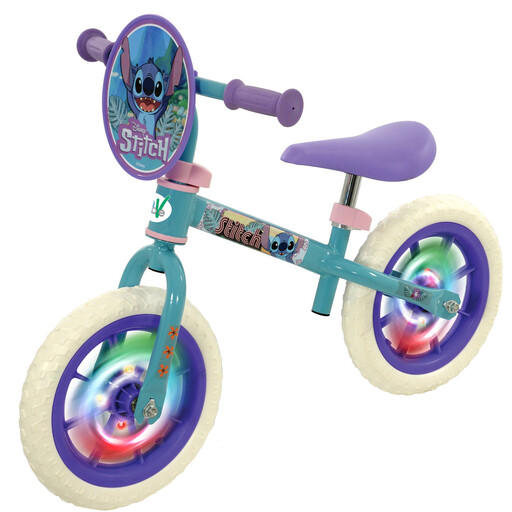
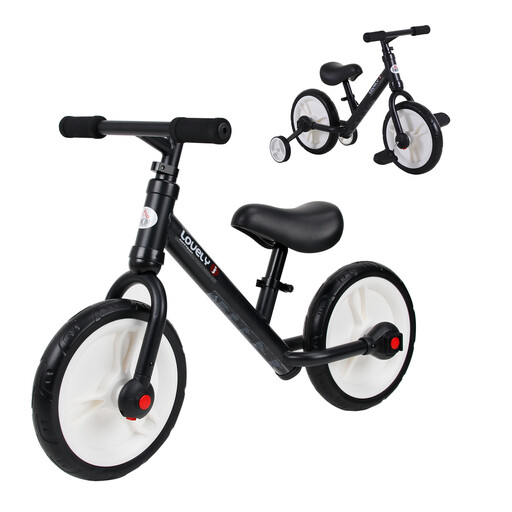
The models featured here represent just a sample of the different types of balance bikes available. If you're looking for different designs, colours or features, there are many more to explore.
? Discover our full collection of Balance Toy options to find the perfect ride for your child.
Most children are ready for a balance bike between 18 months and 3 years of age. However, the most important factor is physical development and size, not just age. A baby balance bike is often lower to the ground and more stable for the youngest riders, while larger models can suit children up to 5 years old.
They teach different skills. Balance bikes teach balance, steering and control first. Children who master a balance bike often find it very easy to transition to a pedal bike, sometimes in a single afternoon. Bikes with stabilisers teach the motion of pedalling but do not help a child learn to balance, which is often the trickiest part of learning to ride.
The most reliable method is to measure your child's inseam (the length from their crotch to the floor). The bike's minimum seat height should be equal to or slightly less than this measurement. This ensures their feet can rest flat on the ground while seated, giving them the control they need to push off and stop safely. Always check the manufacturer's recommended height and age range.