
24/7 Customer Support

Free returns

Same-day & Next-day Delivery

Quality Guaranteed

Unlock Your Welcome Offers: FREE Delivery | Up to 80% OFF | Free 30-day JoyPlus trial
Download the APP
Watching a child take their first wobbly glides on a bike is a milestone for any family. A toddler balance bike is often the first step on this journey, offering a fantastic way for little ones to develop balance, coordination and confidence without the complexity of pedals. Unlike traditional bikes with stabilisers, these simple no pedal bike designs teach the core skill of balancing from day one, making the future transition to a pedal bike much smoother.
However, with so many options available, choosing the right first bike for a toddler can feel overwhelming. You want something safe, durable and perfectly sized for your child. As the Joybuy Product Recommendation Officer, my role is to help you navigate the choices with practical, objective advice. This guide will walk you through key features to consider and highlight some recommended models to help you find the ideal ride for your young adventurer.
Before looking at specific models, understanding a few key features will help you make an informed decision. Consider these points to ensure you select a training bike for kids that is both safe and enjoyable.
While age ranges are a useful starting point, a child's inseam measurement is the most accurate way to ensure a proper fit. For a balance bike, your child should be able to sit on the saddle with their feet flat on the ground and a slight bend in their knees. This posture gives them control and confidence. Look for models with a highly adjustable seat and handlebars. This not only guarantees a perfect initial fit but also allows the bike to grow with your child, offering better value over time.
A toddler needs to be able to pick up and manoeuvre their own bike. A heavy, cumbersome frame can be frustrating and may discourage them from riding. A lightweight balance bike, typically made from steel or aluminium, is much easier for small children to handle. This empowers them to control the bike independently, steer effectively and even carry it over small obstacles, which is a huge boost to their confidence.
Balance bike tyres generally come in two main types: EVA foam and air-filled.
baby balance bike or for use on smoother surfaces like pavements and indoor floors.Based on features that support safety, adjustability and ease of use, here are a few standout options to consider for your child.

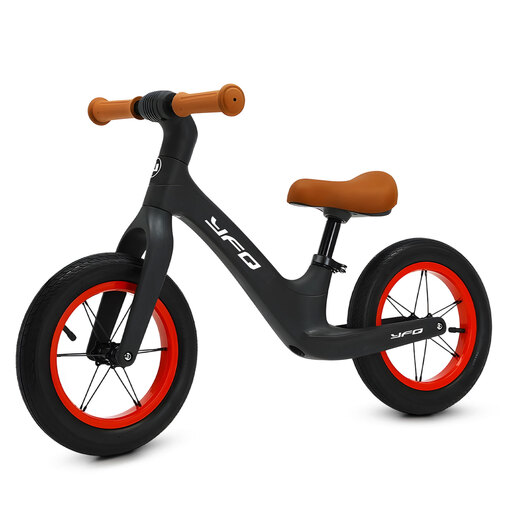
kids balance bike that introduces features found on larger bicycles.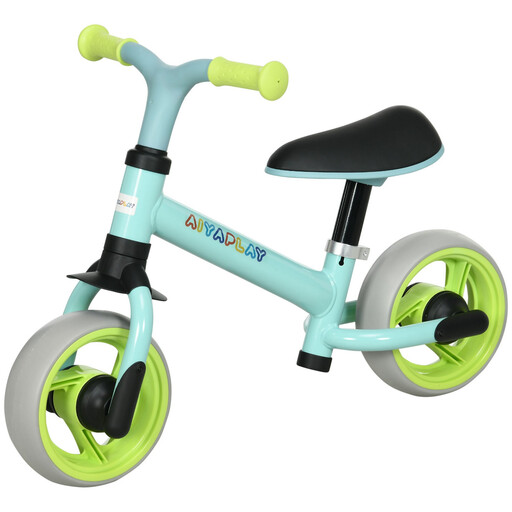
baby balance bike is suitable for children from just 18 months old. Its smaller 8-inch wheels and very low minimum seat height (25.5cm) make it accessible for even the smallest toddlers to get started safely.first bike for a toddler who is just starting to walk and explore.If these specific models aren't quite what you're looking for, or if you'd like to browse different colours and styles, there are many other ride on toys and bikes available. From different frame materials to a wider variety of designs, finding the perfect match is easy.
Explore our complete range of lightweight bicycle options to see more choices.
1. What is the right age for a toddler balance bike? Most children can start using a balance bike between 18 months and 2 years of age, continuing until they are around 5. However, readiness is more about physical development and confidence than age. The most important factor is fit—ensure the child can place their feet flat on the ground while seated.
2. Are balance bikes a better choice than stabilisers? Balance bikes and stabilisers teach different skills. A balance bike teaches the fundamental skills of balancing and steering. Children who master a balance bike often transition to a pedal bike very quickly, sometimes in a single afternoon, because they have already conquered the hardest part. Stabilisers, on the other hand, teach pedalling but prevent the child from learning to balance, which can make the eventual removal of the stabilisers a challenging process.
3. How do I measure my child for a balance bike? To get the right size, measure your child's inseam. Have them stand up straight with their shoes on and measure from the floor to their crotch. This measurement should be equal to or slightly more than the bike's minimum seat height. This ensures they can sit comfortably with their feet firmly on the ground, giving them the stability and control needed to learn.