
24/7 Customer Support

Free returns

Same-day & Next-day Delivery

Quality Guaranteed

Unlock Your Welcome Offers: FREE Delivery | Up to 80% OFF | Free 30-day JoyPlus trial
Download the APP
Moving your child from the confines of a cot to their first "big bed" is a significant milestone. It is an exciting step towards independence, but it often comes with a new set of worries for parents, chief among them being how to ensure their little one sleeps safely through the night without accidental tumbles.
A toddler bed rail is a simple and effective solution that provides peace of mind. However, the market is filled with options, from fixed guards to portable cots. This guide is designed to help you understand the key features to look for, ensuring you can choose a sleep safety solution that fits your family’s needs, whether it's a permanent fixture for home or a portable travel cot for holidays.
Making an informed choice is about matching a product's features to your specific situation. Here are a few practical points to consider before making a purchase.
Not all bed guards fit all beds. Before you buy, check the compatibility with your child's bed. Pay attention to:
Consider how you will interact with the bed rail daily. A swing down bed rail or a foldable bed guard offers significant convenience. These designs allow you to easily fold the rail down, making it simpler to change bedding, sit on the edge of the bed for a bedtime story or allow your child to get in and out of bed by themselves in the morning. This is a major advantage over static models that need to be removed completely.
Baby sleep safety also extends to the materials used in the products your child is close to. Look for bed rails constructed from a sturdy steel or metal frame and durable, non-toxic fabrics like Oxford cloth. A breathable mesh panel is a common feature that serves two purposes: it ensures good air circulation and allows you to see your child without having to get out of bed. For easy upkeep, a removable and washable cover is a highly practical feature.
Here are a few options that address different needs, from everyday home use to travel.
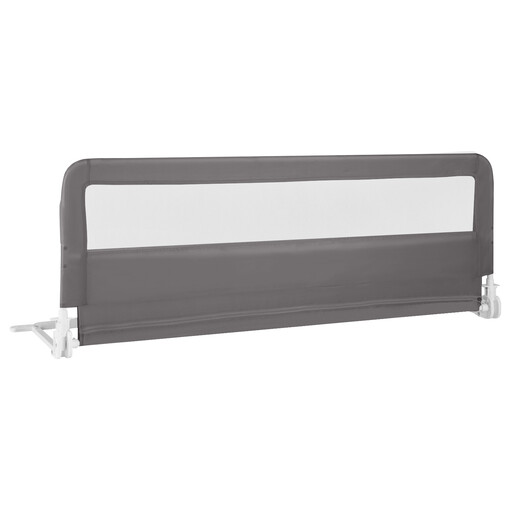
Why It Stands Out: This model focuses on robust construction and security. Its strong metal frame includes an added crossbar to minimise any gap between the rail and the mattress. The generous 150 cm length provides extensive coverage along the side of the bed, offering a secure barrier for even the most active sleepers.
Pros:
Who is it for: Parents seeking a long, sturdy and highly secure toddler bed rail for everyday use on a standard single or larger bed at home.
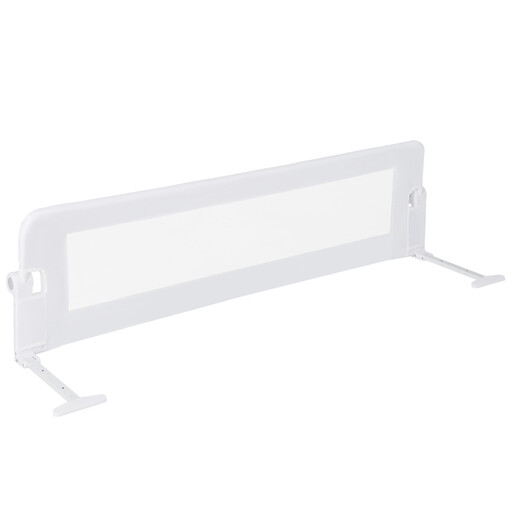
Why It Stands Out: The key feature here is convenience. As a swing down bed rail, it pivots downwards smoothly, making it incredibly easy to operate. This is particularly useful for daily tasks like making the bed. It is also lightweight and designed for quick, tool-free assembly.
Pros:
Who is it for: Families who value ease of use and need a foldable bed guard that can be operated quickly and effortlessly on a daily basis.
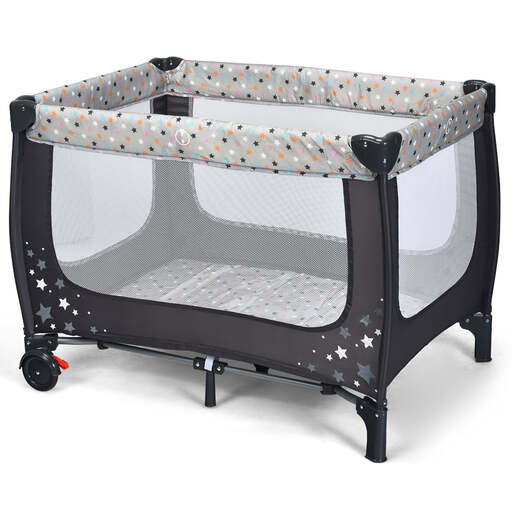
Why It Stands Out: This product offers a different approach to sleep safety, combining a bed and a safe play space in one. It is an excellent all-in-one solution, particularly for travel or for use in different rooms around the house. The inclusion of a travel cot with bassinet makes it suitable from the newborn stage right through to toddlerhood.
Pros:
Who is it for: Parents looking for a versatile, long-term solution that addresses baby sleep safety at home and on the go, from birth through the toddler years.
If the recommendations above aren't the perfect match, or if you'd like to compare different sizes and features, there are many other styles available.
Most children are ready for a bed rail when they transition from a cot to a bed, which typically happens between 18 months and 3 years of age. The right time depends on your child's individual development, such as when they begin trying to climb out of their cot or seem ready for more sleeping space.
While most bed rails are designed for versatility, it is essential to check the product's specifications for compatibility. The most important factors are the mattress thickness and the type of bed frame. Many rails are supplied with fastening straps to ensure they can be securely attached to divans, slatted frames and other common bed types.
This depends on where the bed is placed. If one side of the bed is against a wall, a single toddler bed rail on the open side is generally sufficient. If the bed is in the middle of the room, you may want to use two rails for full coverage. Some parents also find a shorter rail at the foot of the bed useful for children who tend to wriggle downwards in their sleep.