
24/7 Customer Support

Free returns

Same-day & Next-day Delivery

Quality Guaranteed

Unlock Your Welcome Offers: FREE Delivery | Up to 80% OFF | Free 30-day JoyPlus trial
Download the APP
Watching a child embark on their first two-wheeled (or three-wheeled) adventure is a milestone for any family. But choosing that first toddler bike can be a confusing process. The market is filled with options, and it's easy to make a purchase that leads to frustration for both you and your little one. As the Joybuy Product Recommendation Officer, my role is to help you navigate the choices and focus on what truly matters for a safe, fun and valuable first riding experience.
Before you buy, be aware of a few common pitfalls that catch many parents out:
To ensure you get a bike that your child will love and use, focus on these core features instead of marketing hype.
The single most important feature for value and safety is adjustability. A kids bike with an adjustable seat and, ideally, adjustable handlebars, can grow with your child. This not only extends the life of the bike but also ensures a proper fit, which is crucial for control and confidence. For a first bike for a toddler, their feet should be able to rest flat on the ground when seated, giving them a sense of security.
The two main options for a young child are the classic kids tricycle and the modern balance bike.
Look for bikes with frames made from lightweight steel, aluminium or magnesium. A lighter bike is easier for a toddler to handle. For wheels, many toddler bikes use EVA foam tyres. These are brilliant as they are lightweight, puncture-proof and require zero maintenance, making them perfect for fuss-free rides around the garden or park.
No matter which bike you choose, safety is paramount. Always ensure your child wears a properly fitted helmet from their very first ride. A helmet with an adjustable dial and chin strap provides a secure and comfortable fit as they grow. It's also important to supervise young riders, especially as they build their confidence and speed.
To help you match a bike to your child's needs, here are a few recommendations based on different parenting priorities.
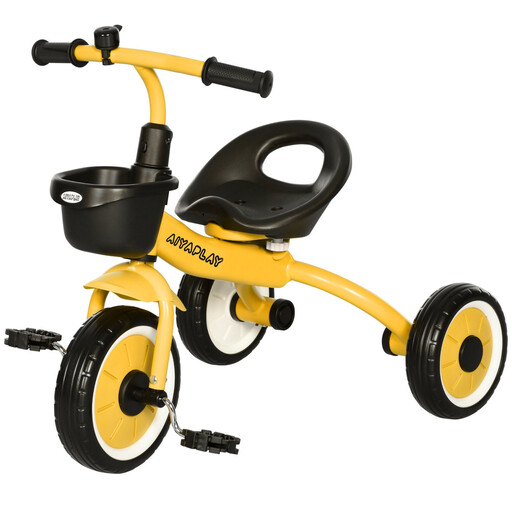
Why This Fits Their Persona: This profile is for the parent who wants to introduce cycling in the most stable, confidence-boosting way possible. The three-wheel design removes the fear of falling, allowing the child to focus on the fun of pedalling and steering at their own pace.
It directly counters the "six-month wonder" pitfall with a 3cm adjustable seat, ensuring it can be adapted to a growing child and provide value for longer.
Features a robust metal frame and puncture-proof EVA wheels for durability and low maintenance. Includes a handy basket and bell for extra play value.
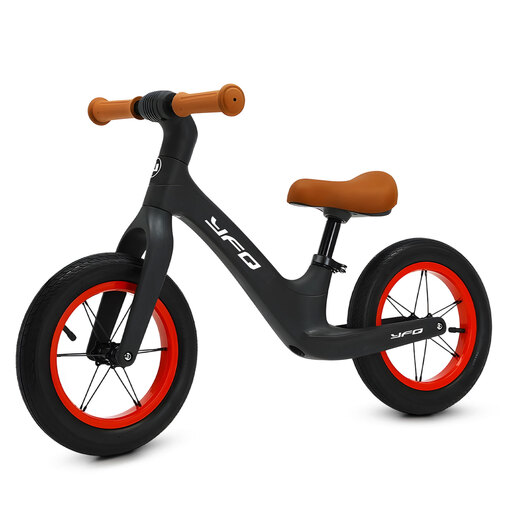
Why This Fits Their Persona: This parent wants to give their child a head start on two-wheeled skills. A pure balance bike is the most effective tool for teaching balance and steering, preparing them to transition to a pedal bike without ever needing stabilisers.
Its lightweight construction directly avoids the "heavyweight hindrance" trap. A light bike is easy for a toddler to control, pick up and feel confident on.
This bike's sole focus is on developing balance. It features an adjustable seat for longevity and air-free tyres that are completely maintenance-free.
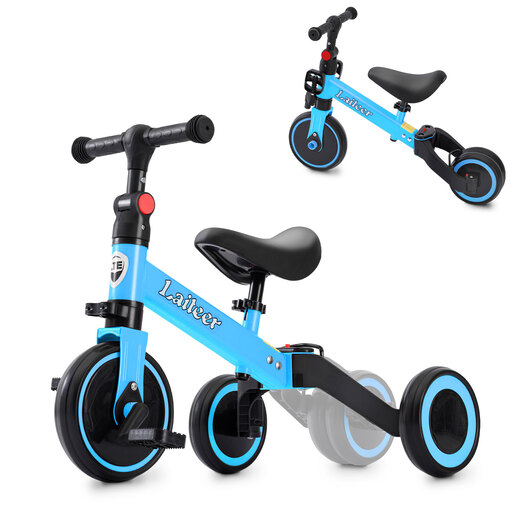
Why This Fits Their Persona: This family wants a single, smart purchase that adapts to their child's development. This 3-in-1 model starts as a stable tricycle and converts into a balance bike, covering multiple stages from ages 1 to 5.
It avoids the "overly complex" convertible trap with a straightforward design featuring removable pedals and a folding frame, making it easy to switch between modes.
Maximum versatility and long-term value. The adjustable seat and multi-mode function mean this one bike can serve a child for several years of development.
We have compiled a complete, real-time list of products that fully satisfy these strict selection criteria and UK safety regulations.
This depends on the child and your goals. A tricycle offers immediate stability and introduces pedalling, which is great for confidence. A balance bike for a 2 year old is more focused on developing the core skill of balance, which can make learning to ride a pedal bike later much easier. Many parents find that starting with a balance bike around age 2 to 2.5 is very effective.
The most important check is the seat height. When your child is sitting on the bike, their feet should be able to rest flat on the ground with a slight bend in their knees. This gives them the stability and control they need to feel secure, especially on a balance bike where they need to push off. Always check the manufacturer's recommended height and age range.
This depends entirely on its adjustability. A fixed-size bike may only last 6-12 months. However, a model with a kids bike with adjustable seat and handlebars can potentially last for 2-3 years, offering much better long-term value as it adapts to your child's growth.