
24/7 Customer Support

Free returns

Same-day & Next-day Delivery

Quality Guaranteed

Unlock Your Welcome Offers: FREE Delivery | Up to 80% OFF | Free 30-day JoyPlus trial
Download the APP
Watching your child take to their first set of wheels is a milestone. Yet, the journey to choosing the right one can feel overwhelming. The market is filled with a dizzying array of toddler bikes, kids tricycles and ride-on toys, all promising to be the perfect start. As a Joybuy Product Recommendation Officer, my role is to help you navigate this landscape and focus on what truly matters for a safe and enjoyable first ride.
Many parents find themselves caught in a few common traps. Before you buy, be aware of these pitfalls that can lead to a purchase that ends up gathering dust in the garage.
first bike for a toddler, which is often used on pavements and in parks, dealing with a flat tyre can be an unnecessary hassle.To avoid these issues, focus on a few core parameters that determine whether a bike is a good fit for your child and your lifestyle.
The single most important factor for a safe and confident start is ensuring your child can place their feet flat on the ground while seated. This gives them control and stability.
To find the right size, measure your child's inside leg (inseam). Have them stand straight against a wall and measure from the floor to the crotch of their trousers. This measurement should be equal to or greater than the bike's minimum seat height. For a balance bike, this allows them to push off and stop comfortably. For a bike with pedals, it ensures they can reach the ground when they need to.
The type of bike you choose can influence how your child learns to ride.
bike for a 2 year old.toddler trike is very stable due to its three-wheel design, making it a great introductory ride-on toy for the very young. However, it does not teach the two-wheel balance required for a standard bicycle.Pay attention to the frame and tyres, as these affect both the bike's usability and longevity.
Based on these practical considerations, here are a few options matched to different needs and stages of development.
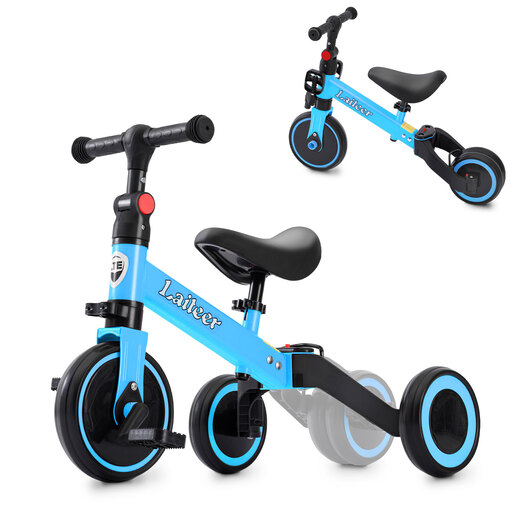
Why This Fits Their Persona: Ideal for parents who want a single product that adapts to their child's earliest stages. It starts as a stable tricycle and converts into a balance bike as the child grows in confidence, offering great value.
This model directly counters the "one-size-fits-all" trap by being genuinely multi-functional. Its folding and convertible design allows it to function effectively as both a tricycle and a balance bike, rather than being a poor compromise of both.
Convertible Design: Switches between a three-wheel trike and a two-wheel balance bike. Adjustable Seat: Accommodates growth during the early toddler years.
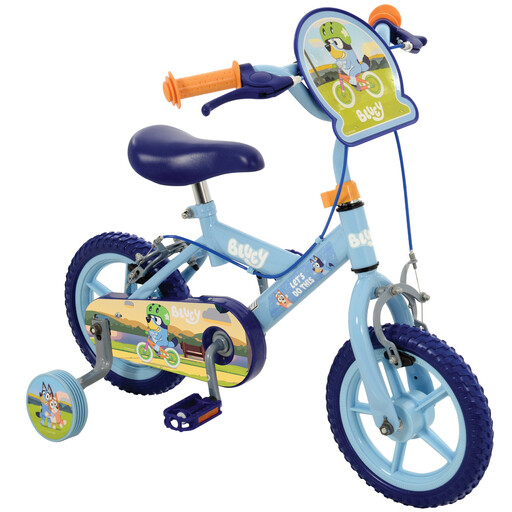
Why This Fits Their Persona: For families who prefer the traditional learning path of a pedal bike with stabilisers. This model provides the full bike experience—pedals, brakes and a chain—with the safety net of removable stabilisers.
While it uses stabilisers, the adjustable seat and handlebars provide a better fit than many generic bikes, helping to avoid the "one-size-fits-all" trap. The solid frame and puncture-proof tyres also add to its practicality and longevity.
Full Bike Features: Includes pedals, front and rear caliper brakes and a fully enclosed chainguard for safety. Removable Stabilisers: Allows for a traditional learning progression from four wheels to two.
We have compiled a complete, real-time list of products that fully satisfy these strict selection criteria and UK safety regulations.
Most children are ready for a balance bike between the ages of 18 months and 2 years. The key indicator is not age, but physical development. Once a toddler is walking confidently and has an inside leg measurement that allows them to sit on the bike with their feet flat on the floor, they are ready to start.
Each has its place. Balance bikes are widely considered an effective way to teach the core skill of balancing, often leading to a faster transition to a pedal bike. Tricycles offer stability for very young children but don't teach balance. Bikes with stabilisers teach pedalling but can create a reliance that is sometimes difficult to unlearn. The choice depends on your child's development and your preference for their learning journey.
Ignore the age recommendations on the box and focus on the minimum seat height. Measure your child's inside leg measurement. For a balance bike, the seat should be set at or slightly below this measurement so their feet are flat on the ground with a slight bend in the knee. This ensures they have maximum control and confidence.