Carers planning everyday toddler snacks
A wrapped bar is convenient, but an everyday snack is also an opportunity to offer nutrients between meals, as First Steps Nutrition Trust explains. The NHS advises avoiding sugary snacks for young children.


An individual wrapper makes a chocolate biscuit bar easy to carry, but it does not make the bar a routine toddler snack: the NHS advises avoiding sugary snacks for young children. For an everyday snack, consider an option that provides nutritional variety; if you decide to offer a bar as an occasional treat, check its per-bar nutrition and ingredients, stay with the child while they eat, and check the setting’s food policy before packing one.
A wrapped bar is convenient, but an everyday snack is also an opportunity to offer nutrients between meals, as First Steps Nutrition Trust explains. The NHS advises avoiding sugary snacks for young children.
Check the setting’s packed-food and allergy arrangements before choosing a chocolate-covered bar. Rules for food supplied by an early years provider and a setting’s policy for food brought from home need not be the same.
Compare the actual bar’s ingredients, size and per-bar nutrition rather than treating its wrapper or an adult reference-intake figure as toddler portion guidance. Plan for the child to sit still with an adult present while eating.
Decide whether the food is for an everyday snack, an occasional treat at home or a setting’s snack time before comparing packs.
| Priority | What to check | Your needs |
|---|---|---|
| Everyday snack | Consider what the snack offers between meals, not just how easily it travels. The NHS advises avoiding sugary snacks for young children; First Steps Nutrition Trust describes snacks as an opportunity to provide extra energy and nutrients. | For a regular snack, I’m looking beyond a ready-wrapped chocolate bar. |
| Bar and pack size | Check the number of bars, grams per bar and nutrition stated per bar. Do not use an adult reference-intake percentage as a toddler serving recommendation. | If I choose an occasional treat, I want to know what the particular bar contains and whether the pack suits how I’ll use it. |
| Ingredients and eating | Read the exact pack’s ingredients and allergen declaration. Assess whether the child can manage the texture; NHS-linked Healthier Together advice says toddlers should sit still and have an adult stay with them while eating. | Before offering a bar, I need to check its ingredients and be there while the child eats. |
| Food for a setting | Ask for the setting’s packed-food and allergy policy, then check the exact product label. England’s Department for Education has separate nutrition requirements for food provided in early years settings. | If I’m sending a snack to childcare, it needs to fit that setting’s arrangements. |
An individual wrapper separates one bar, but says nothing about whether it suits a toddler’s regular snack. Tesco lists 9.2 g sugars per bar for the viewed Club Orange and Blue Riband packs; the NHS advises avoiding sugary snacks for young children.
Read the exact per-bar figures and consider an option that provides nutritional variety for the everyday snack slot.
Ingredient declarations belong to particular products and variants. For example, the viewed Penguin and Club Orange listings identify wheat and milk; that does not establish what another bar contains.
Check the delivered pack’s full ingredients and allergen declaration, especially when changing flavour or pack, and follow any setting-specific allergy arrangements.
England’s Department of Health and Social Care guidance on high-fat, sugar or salt products addresses specified retail promotions and placement. It is not, by itself, a blanket rule for every bar a parent packs. School food standards and early years requirements have different scopes.
Check which nation and setting are involved, whether the food is provided there or brought from home, and the setting’s actual packed-food policy.
These examples describe particular viewed products and pack formats, not a recommendation to serve chocolate biscuits routinely to toddlers.
The viewed Penguin and Club Orange listings show two different chocolate biscuit-bar packs under the McVitie’s name.
A UK wholesale listing identifies Rocky Original as a seven-bar chocolate biscuit multipack.
This is a wafer-style alternative to a biscuit-core bar; the viewed Tesco listing describes six individually wrapped bars.
The viewed Milk Chocolate Nice Biscuits come in a shared packet rather than as individually wrapped bars.
The numbered sequence follows the supplied examples by wrapped-bar format, stated per-bar information and wafer construction. It is not a sales ranking or an assessment of toddler suitability; check the particular product and pack before making a choice.
| Rank | SKU name | Main specifications | Recommendation reasons | Platform |
|---|---|---|---|---|
| 1 | McVitie’s Penguin Bars 7 × 24.6 g | Seven individually wrapped bars; the viewed Joybuy UK listing declares milk and wheat. | The listed format helps with comparing single wrapped bars. Joybuy UK identifies this particular 7 × 24.6 g listing as no longer available; its details do not establish the ingredients of another Penguin pack. | Joybuy |
| 2 | McVitie’s Club Orange Biscuit Bars 7 × 22 g | Seven 22 g bars; Tesco lists 9.2 g sugars per bar. | Tesco’s per-bar figure lets you assess this specific pack without treating its size or wrapper as toddler portion guidance. | Tesco |
| 3 | Blue Riband Wafer Biscuit Bar 6 Pack, 108 g | Six individually wrapped wafer bars; Tesco lists 18 g and 9.2 g sugars per bar. | The wafer format offers a different construction to compare. Tesco’s figures describe this pack, not whether its texture suits a particular child. | Tesco |
These chocolate biscuit and wafer options relate to the occasional-treat decision, with single-item and multipack formats to compare. For a toddler, check the exact pack’s nutrition and ingredients and plan for supervised, seated eating; a wrapped bar is not a recommendation for an everyday snack.
 No image available
This 216g pack contains 12 chocolate wafer bars for comparison as an occasional treat; check the individual bar’s label and how the bars are wrapped before relying on it for a single-portion snack.
 No image available
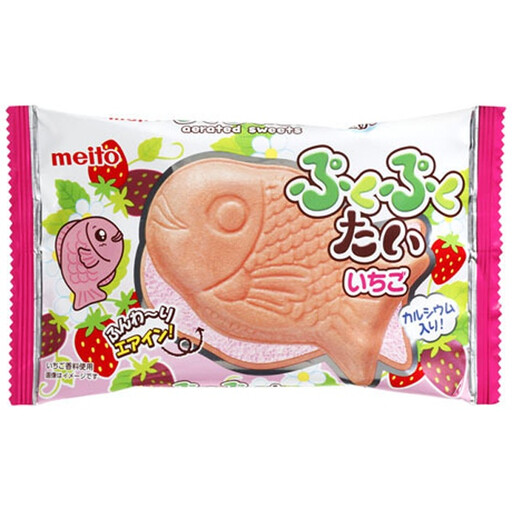
The 16.5g chocolate strawberry wafer is a single-item option rather than a multipack; check its pack for nutrition and allergens before deciding whether to offer it as an occasional treat.
 No image available
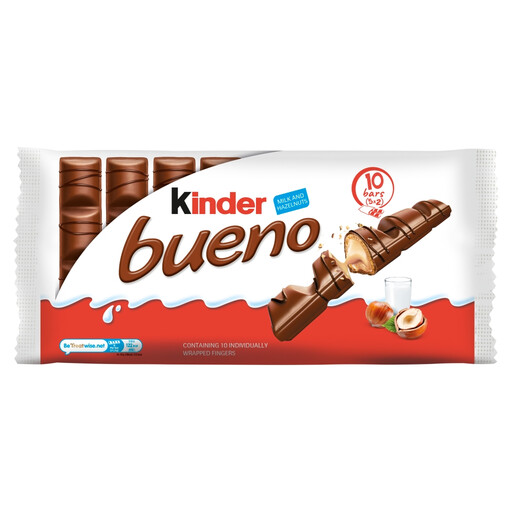
This 215g pack contains 10 bars. If comparing it with a single-item snack, use the exact pack’s per-bar nutrition and allergen declaration rather than assuming the pack weight describes one serving.
 No image available
This eight-pack offers chocolate caramel wafers to compare with other biscuit-bar formats; check the actual per-bar figures and ingredients before choosing one for an occasional treat.
 No image available
This 344.4g Penguin pack contains 14 biscuit bars. Check this pack’s own per-bar nutrition and ingredients: the details of a different Penguin pack do not establish the figures or declarations for this one.
No toddler-specific serving recommendation follows from the wrapper or an adult reference-intake figure. Check the particular bar’s weight and per-bar nutrition; the NHS advises avoiding sugary snacks for young children when planning regular snacks.
Have the toddler sit still and stay with them while they eat, in line with NHS-linked Healthier Together choking advice. Assess whether the particular bar’s texture is manageable for the child.
Check the actual pack’s ingredients and allergen declaration, then ask whether it fits the setting’s packed-food and allergy arrangements. The viewed Penguin and Club Orange listings identify wheat and milk, but those declarations do not establish the ingredients of other products or variants.
No blanket ban on parent-packed bars follows from England’s Department of Health and Social Care guidance on high-fat, sugar or salt products: it covers specified retail promotions and placement by businesses selling to England. The Department for Education’s school food standards concern food provided to pupils, while early years providers have separate nutrition requirements. Check the applicable setting’s policy for food brought from home.