Parents planning an occasional weekend toddler breakfast
For parents of toddlers already used to a range of solid foods who want to include a plain croissant occasionally while keeping the wider breakfast varied and age-appropriate.


A plain croissant can fit occasionally into breakfast for a toddler who is already used to a wide range of solid foods. It is less suitable as an everyday default, so choose an unfilled option, check the current allergen label and serve it alongside other breakfast foods rather than relying on the pastry alone.
For parents of toddlers already used to a range of solid foods who want to include a plain croissant occasionally while keeping the wider breakfast varied and age-appropriate.
For households that need to distinguish conventional croissants containing wheat or gluten from specifically labelled gluten-free products, while checking milk, egg, nut and precautionary allergen information on the current pack.
For shoppers deciding between French-butter or French-flour premium lines, a reduced-fat alternative and a labelled free-from option without assuming that a premium range is nutritionally better for toddlers.
Choose when: You want a simple, unfilled pastry for an occasional family-style breakfast and your toddler has no relevant allergy or intolerance.
Trade-off: Conventional versions contain wheat or gluten, milk and egg, and the verified examples have substantial saturated fat per pastry.
Choose when: A plain croissant is wanted and reducing fat compared with that retailer’s standard all-butter range matters.
Trade-off: M&S describes its version as having 30% less fat than its own all-butter croissants, but wheat or gluten, milk, egg and retailer-specific warnings still need checking.
Choose when: A gluten-free product is required and the exact label is suitable for the child.
Trade-off: Gluten-free does not mean dairy-free or egg-free; the Sainsbury’s Free From example contains butter, egg and milk ingredients.
| Priority | What to check | Your needs |
|---|---|---|
| Breakfast role and portion | Compare saturated fat on the exact nutrition panel; choose a plain, unfilled pastry; treat adult reference-intake figures as product comparisons rather than toddler portion guidance. | I want a varied breakfast, with a croissant as an occasional component rather than the main everyday choice. |
| Allergen clarity | Read the current ingredients and allergy statement; check wheat or gluten, milk and egg; review any nut or cross-contact warning; use a specifically labelled gluten-free product where needed. | I need to know whether the exact product fits my child’s dietary requirements before serving or packing it. |
| Preparation and freshness | Check whether the pack is ambient, frozen or ready to bake; follow its heating directions; allow heated pastry to cool before serving. | I want to know whether breakfast can be served promptly or whether I need time for baking from frozen. |
Premium positioning can refer to ingredients, provenance and pastry style rather than everyday suitability for a toddler. Tesco Finest, Sainsbury’s Taste the Difference and Waitrose No.1 list 8.4g, 9.9g and 10.1g of saturated fat respectively per croissant.
Choose a premium pastry for an occasional taste and convenience preference, then compare the current saturated-fat figure and ingredients on the exact pack.
Standard all-butter croissants commonly contain wheat or gluten, milk and egg, while some products also carry nut or cross-contact warnings. A gluten-free croissant may still contain milk and egg.
Check the current ingredient list and allergy statement whenever the product or recipe changes, and only choose a free-from product when it matches the child’s complete requirements.
Tesco, Sainsbury’s and Waitrose present per-croissant percentages against an average adult reference intake. These figures do not establish an appropriate toddler portion.
Use the label to compare products, then decide the portion in the context of the child’s age, appetite and the rest of the meal.
Recipes, nutritional information and allergen statements can change, so an online listing may not match the product in hand.
Use online information to shortlist products, then check the physical pack’s ingredients, allergy statement, date marking and preparation instructions before serving or packing it.
Offers an in-store all-butter croissant and a Reduced Fat All Butter Croissants variant within its UK bakery range.
A premium own-label four-pack positioned around butter churned in France and light, flaky layers.
A premium own-label all-butter four-pack positioned around creamy French butter, with a separately labelled gluten-free all-butter option.
A premium two-pack prepared in France with French-churned butter and French flour.
Offers an in-store All Butter Croissant, with local-store availability for this product.
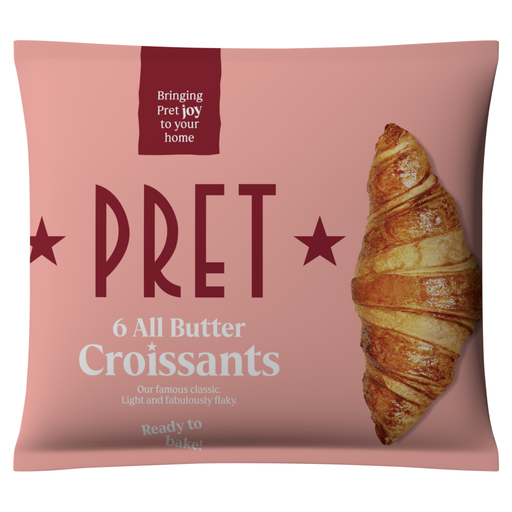
Joybuy product options for an occasional planned family-style breakfast, where frozen storage and oven preparation are practical.
 No image available
For an occasional plain pastry breakfast when there is time to bake from frozen and cool before serving.
Stated details include 24% butter, frozen storage and approximately 20 minutes of baking. The product contains wheat or gluten, milk and egg, may contain nuts, sesame and soya, and lists 15g saturated fat per 100g once baked.
Check the current pack for preparation instructions, allergens and the individual croissant weight before deciding a toddler portion.
Yes, an age-appropriate portion of a plain croissant can fit occasionally for a toddler already used to a wide range of solid foods. NHS Orkney Health and Care advises choosing foods high in fat, sugar and salt less often and in smaller amounts, so it is more suitable as part of a varied breakfast than as an everyday default.
Check the current label for wheat or gluten, milk and egg at minimum. Verified M&S, Tesco Finest, Sainsbury’s Taste the Difference and Waitrose No.1 examples contain these allergens, while some Waitrose and Lidl products also identify nut or cross-contact risks.
No. A gluten-free claim addresses gluten, not every allergen. Sainsbury’s Taste the Difference Free From All Butter Croissants contain butter, egg and milk ingredients, so check the label against the child’s individual dietary requirements.
Follow the instructions on the exact pack. Some multipack croissants are ready to eat but may be warmed, while frozen or ready-to-bake products require cooking; always let heated food cool to a safe eating temperature before serving.