Carers planning several breakfasts
If you want a convenient plain bread without leaving much of the pack unused, compare bread count, portion size and the instructions for storing an opened pack.


For a budget-conscious toddler breakfast, choose a plain naan pack your household can use without waste, then check the portion you will serve, labelled salt and allergens. A bread called ‘mini’ is not automatically the right serving size for a child; if you plan to pack naan for nursery or school, check that setting’s rules too.
If you want a convenient plain bread without leaving much of the pack unused, compare bread count, portion size and the instructions for storing an opened pack.
Check the child’s dietary needs and the setting’s own rules before packing naan. The conventional plain naans discussed here contain wheat and are not appropriate for a child who must avoid it; a child with coeliac disease must avoid gluten, as the NHS explains.
Start with the pack size you can use, then assess the amount served and the information on that particular bread’s label.
| Priority | What to check | Your needs |
|---|---|---|
| Pack use | Check the number and weight of breads. Read the opened-pack and freezing instructions before choosing a larger multipack. | I would rather buy a pack we can use or store as directed than leave breads unused after breakfast. |
| Salt | Check salt for the amount actually served and whether the figure is for the bread as sold or after heating. Tesco Groceries lists 0.21 g per 47 g bread in its six-pack and 0.34 g per bread in its different four-pack, both as sold. | For a child aged 1–3, I need to consider salt across the day, not treat an adult reference-intake percentage as a child’s allowance. Derbyshire Family Health Service advises no more than 2 g of salt a day for toddlers. |
| Ingredients | Read the current ingredients and allergy statement for the exact pack. Check any precautionary warning for an allergen relevant to the child, and ask the nursery or school about its packed-food rules. | If the child must avoid wheat or gluten, I need an appropriate alternative to the wheat-containing naans discussed here. Other allergy warnings may also affect which pack I can use. |
| Serving | Consider the bread’s size and texture, divide a portion to suit the child’s eating ability and follow its heating and storage directions. The checked Waitrose chilled minis, for example, require refrigeration. | I want to serve a manageable amount and stay with the child while they eat, in line with NHS baby and toddler safety advice. |
An adult percentage on a nutrition panel does not show how much salt remains within a toddler’s daily intake. Derbyshire Family Health Service advises no more than 2 g of salt a day for toddlers.
Read the grams of salt for the amount served and consider the child’s other food that day.
The checked Tesco six-pack contains 47 g breads, while the checked Waitrose chilled minis weigh 75 g each. Their storage directions differ too.
Check bread weight, pack count and storage instructions rather than relying on ‘mini’ in the name.
A pack that cannot be used or stored as directed may leave breads unused.
The checked conventional plain naans contain wheat, and particular packs carry further allergy warnings. A plain description does not replace the ingredients label.
Check the current pack for the child’s allergens and ask the nursery or school about its rules before sending food in.
These examples show why the pack and recipe matter more than the supermarket name alone.
Tesco Groceries lists ambient plain mini naans in four- and six-packs.
Asda Groceries lists a 282 g six-pack of plain mini naans.
Sainsbury's lists a 188 g four-pack of plain mini naans.
M&S lists plain mini naans in distinct 282 g and 188 g formats.
Waitrose & Partners lists both chilled mini naans and an ambient standard naan pack.
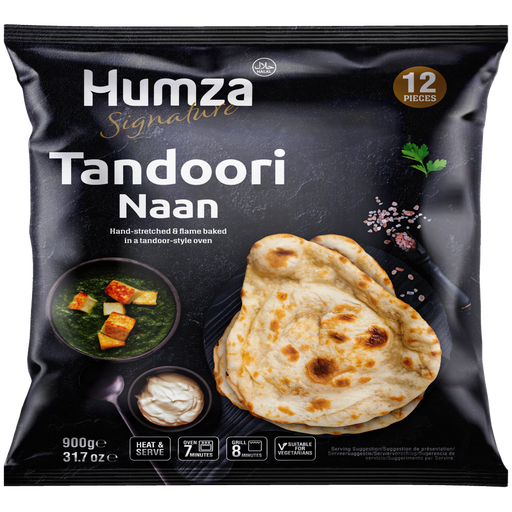
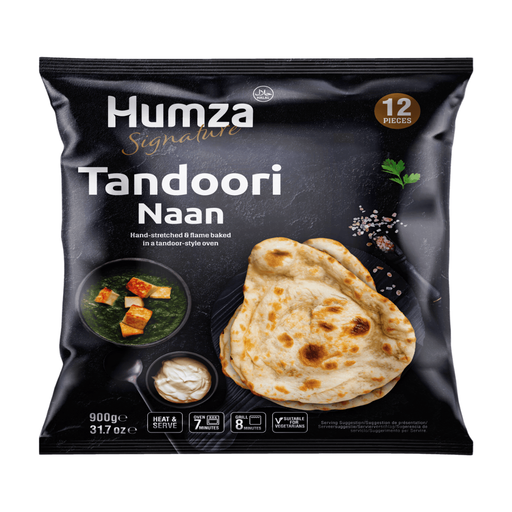
These Humza options are plain naan multipacks of different sizes. Consider how many breads your household will use, and check the amount served and the current label before offering either to a toddler.
 No image available
The 12-piece pack is an option if your household can use a larger quantity. For a toddler’s breakfast, decide how much of a bread to serve and check the current salt, ingredient and storage information.
 No image available
The four-piece, 300 g pack may be easier to use if your household wants fewer breads at once. Check the current salt and allergy information, and divide a serving to suit the child’s eating ability.
Consider the bread’s size and texture and divide it to suit the child’s eating ability. NHS baby and toddler safety advice says to stay with young children while they eat and encourage them to sit still.
Follow the directions on that pack, including any freezing instructions. The checked Tesco six-pack says to use it within one day of opening, while the M&S 282 g pack says to use it within two days; the directions are not interchangeable.
Ask the particular setting about its packed-food rules and check the current ingredients against the child’s needs. The wheat-containing naans discussed here are not an appropriate choice for a child who must avoid wheat or gluten.
Check the physical pack’s ingredients and allergy statement before serving it. Recipes and allergy information can change, so use the label on the bread you have.