Parents making a quick toddler breakfast
A manageable portion matters alongside the fillings and the salt in the whole meal. NHS guidance also recommends considering food size, shape and texture, and supervising young children while they eat.


A premium label alone does not establish an advantage for a toddler’s breakfast. Choose a portion your child can manage, compare salt per 100g and in the amount served, and account for the fillings. NHS advice also cautions against making wholegrain foods the only starchy choice for children under 2; check the pack for allergens and supervise your child while they eat.
A manageable portion matters alongside the fillings and the salt in the whole meal. NHS guidance also recommends considering food size, shape and texture, and supervising young children while they eat.
Fibre is worth considering in the context of age and other starchy foods. The NHS advises against giving children under 2 only wholegrain starchy foods, which can fill them up before they obtain enough energy and nutrients.
An ordinary wheat tortilla and a specifically labelled gluten-free tortilla are different choices. NHS allergy guidance recommends reading labels carefully; check both the wrap and its fillings against the child’s requirements.
Start with the portion and ingredients the child will actually eat, then compare the pack’s nutrition information on a consistent basis.
| Priority | What to check | Your needs |
|---|---|---|
| Salt in the meal | Compare salt per 100g across packs, then use the per-wrap figure or serving weight for the portion offered. Include the fillings when considering the meal; NHS guidance sets a maximum of 2g salt a day for children aged 1–3. | I want to know how much salt is in the wrap portion and fillings, rather than use an adult reference-intake percentage as my child’s allowance. |
| Portion and preparation | Check the weight of each wrap before adding fillings. Prepare the food in a size, shape and texture the child can manage, and supervise eating, as NHS guidance advises. | A smaller starting wrap may be convenient, but I can also serve part of a regular wrap if that suits the breakfast. |
| Wholemeal and fibre | Check whether the wrap is wholemeal and read fibre values for the serving. For under-2s, follow NHS advice not to make wholegrain foods their only starchy choice. | I want variety in starchy foods while taking my child’s age and appetite into account. |
| Allergens and dietary needs | Read the current pack’s ingredients and allergen statements, including any precautionary information. If gluten must be avoided, check the specific wrap and every filling rather than relying on a brand name. | My child’s known allergy or diagnosed restriction determines which ingredients I need to avoid. |
| Storage after opening | Follow the instructions on the particular pack. Tesco’s checked mini-wrap listing says to refrigerate after opening and use within two days; M&S gives a two-day instruction for its checked mini wraps. | If I will use the pack across several breakfasts, its opened-pack instructions affect how I plan to store it. |
Wrap weights differ, so a smaller wrap does not necessarily have less salt per 100g. Salt in the fillings contributes to the meal too.
Compare packs per 100g, then check the salt in the portion you will serve. Do not use the adult reference-intake percentage as a toddler allowance.
NHS advice cautions against making wholegrain foods the only starchy choice for under-2s. Gluten-free describes a dietary distinction, not a lower-salt guarantee: the checked Old El Paso gluten-free listing gives 1.31g salt per 100g, while its regular eight-pack listing gives 1.00g per 100g.
Consider wholemeal alongside the child’s other foods, and select a gluten-free wrap when gluten avoidance is required after checking the specific pack.
A product title does not give the full ingredient and precautionary information needed for a child with a relevant allergy.
Read the current packaging for both the wrap and fillings before serving, as NHS allergy guidance recommends.
These examples describe particular wrap listings, not every product made by each brand.
Mission’s Original Mini is a six-count wheat wrap format.
The checked listings include a regular flour tortilla eight-pack and a separate gluten-free tortilla.
The checked Tesco Mini White Tortilla Wraps provide a smaller wheat-wrap format.
Asda’s checked Classico listing is an eight-pack of soft flour tortillas.
The checked Sainsbury’s wholemeal tortillas offer a wheat-based wholemeal option.
The checked M&S Mini Tortilla Wraps are a wheat-wrap mini format.
These Joybuy options are a regular flour tortilla and a gluten-free tortilla. Compare the particular pack and serving you intend to use; neither format settles the toddler-breakfast choice on its own.
 No image available
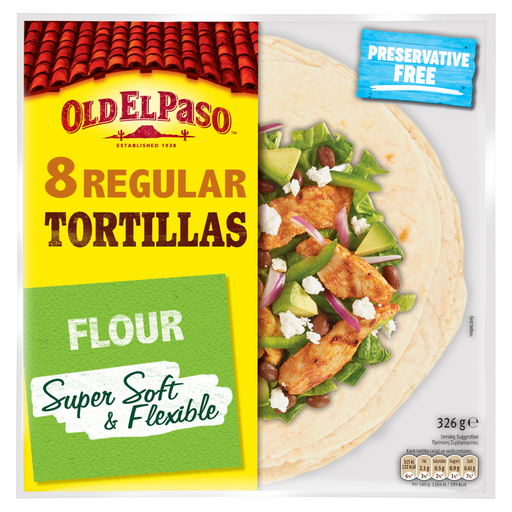
A regular flour-wrap option if you plan to serve a portion suited to your child. This 326g product contains wheat and gluten; check its current per-wrap weight and salt figures alongside the fillings rather than applying figures from a different pack.
 No image available
A specifically labelled gluten-free option when the child needs to avoid gluten; check the current pack and fillings for any other relevant allergens. The checked Joybuy listing gives 36g per tortilla, with 0.47g salt per tortilla and 1.31g per 100g, so account for the amount served as part of the meal.
No. NHS guidance says wholegrain foods need not be excluded, but they should not be the only starchy foods offered to children under 2 because their fibre can fill a child up before they obtain enough energy and nutrients.
Consider the size, shape and texture of the wrap and its fillings, preparing them in a form the child can manage. NHS guidance says young children should eat seated upright and be supervised.
Follow the instructions on that pack. The checked Tesco mini-wrap listing says to refrigerate after opening and consume within two days; the checked M&S mini-wrap listing also gives a two-day opened-pack instruction.
No suitability advantage follows from the label alone. Compare the actual portion, ingredients and salt information, then consider how you will prepare and fill the wrap.
Read the current ingredients, allergen and precautionary information for both the wrap and fillings. NHS allergy guidance advises avoiding a food if you are unsure whether it contains an ingredient to which your child is allergic; choose a specifically suitable product when gluten avoidance is required.