What should you check before buying?
Start with whether a bar is needed for this snack, then assess the serving you would actually offer before choosing a pack size.
| Priority | What to check | Your needs |
|---|
| Snack choice |
Consider whether portability calls for a wrapped bar. For everyday variety, NHS snack examples include fruit, plain unsweetened yoghurt, toast, crackers and unsweetened cereal. |
I want something easy to take out, without relying on the same packaged snack every day. |
| Serving size |
Read the bar weight and whether the declared serving is one bar or a twin pack. Compare sugars for that serving, not just per 100g or against adult reference-intake figures. |
A twin-wrapped portion may be more than I intended to offer at one snack time. |
| Ingredients and allergens |
Check the current ingredient list, highlighted allergens and any “may contain” statement. Confirm the nursery’s rules before putting a bar in a lunchbox. |
My child’s allergy needs and the setting’s policy both affect which bars I can pack. |
| Texture and eating |
Assess firmness, size and inclusions for your child. NHS food-safety guidance advises supervising young children while they eat. |
I need a bar my child can manage while seated and supervised, not a snack handed over during play. |
| Pack use |
Count the individually wrapped servings and check the best-before date. Decide who else in the household will eat them. |
A larger box is useful to me only if we will use its servings and the individual bars are suitable. |
Brand and product-line references
Formats and labels vary within a brand. These examples help identify what to compare on the particular pack; they do not establish toddler suitability across a whole range.
Nature Valley
Nature Valley UK lists its Crunchy Oats & Honey family pack as 20 small bars in 10 twin-wrapped, 42g portions.
- The twin-wrapped format lets a household count separate pack portions.
- The declared 42g portion has 11.3g sugars; check the current pack’s texture and allergen warnings before offering it to a toddler.
Graze
Graze makes oat-based snack bars in several flavours and formats; figures for one flavour should not be transferred to another.
- Waitrose & Partners lists 3.3g sugars per 30g Graze Honey Oat Boost serving.
- Check the chosen flavour’s full ingredients, precautionary allergen statement and texture.
Alpen
Alpen Light Summer Fruit is a small-format bar; Weetabix Cereals lists a 19g serving with 3.4g sugars.
- The single-bar serving makes the amount in one wrapper clear.
- Its ingredients and nut-allergy warning require a check against the child’s needs; a small bar is not automatically suitable.
TREK
TREK Original Oat Protein Flapjack is a 50g bar labelled gluten free.
- Its gluten-free label is relevant when checking a requirement to avoid gluten.
- Sainsbury’s lists 12g sugars and 219kcal per 50g bar. Check its other allergen warnings and whether the size and texture suit your child.
Eat Natural
Eat Natural offers several cereal-bar styles, including fruit-and-nut products.
- The range offers different ingredient combinations to compare.
- Check each variant for nuts, peanuts, other allergens and pieces your child may find difficult to manage.
Kellogg's
Kellogg's makes several cereal snack-bar lines, so one product’s figures do not describe the rest.
- Kellogg's UK lists 8.7g sugars per serving for Rice Krispies Squares & Corn Flakes.
- Check the selected bar’s current nutrition declaration and ingredients, particularly where allergens matter.
Cereal-bar multipacks on Joybuy
These multipacks include soft oaty bars labelled for children aged 12 months and over and general cereal bars a household might consider for occasional snacks. Check each exact pack before choosing for your child.
 No image available
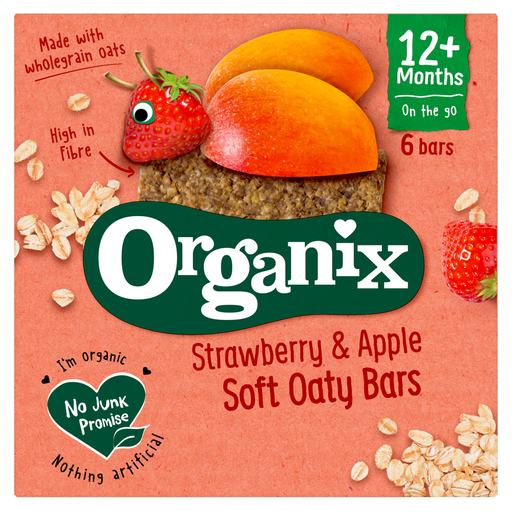
Organix Strawberry & Apple Soft Oaty Bars, 12+ Months, 6 x 23g
A six-pack of 23g soft oaty bars labelled for children aged 12 months and over. Check the current ingredients and allergen warnings, and assess whether your child can manage the texture.
View on Joybuy
 No image available
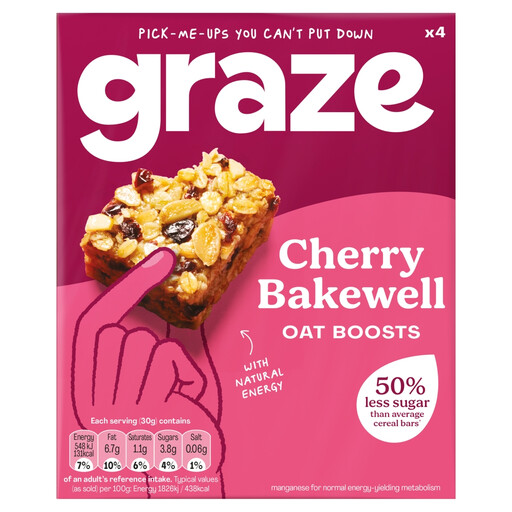
Graze Oat Boosts Cherry Bakewell, 4 x 30g
Four 30g oat bars for an occasional portable snack. This is not labelled as a toddler-specific product; assess its texture and check the Cherry Bakewell pack’s own ingredients and allergen statements.
View on Joybuy
 No image available
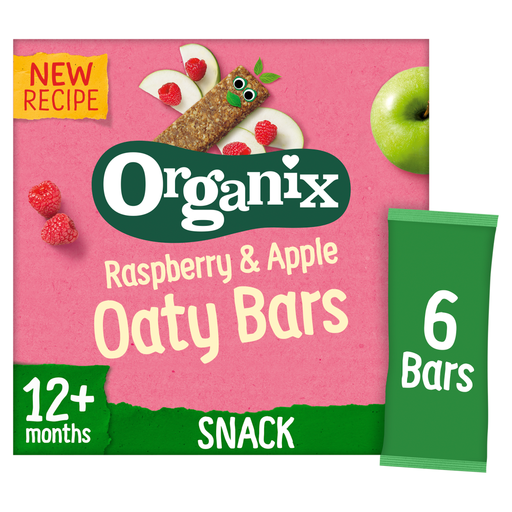
Organix Raspberry & Apple Soft Oaty Bars, 12+ Months, 6 x 23g
A six-pack of 23g soft oaty bars labelled for children aged 12 months and over. Read the physical pack’s full ingredients and precautionary allergen information before serving or packing one for nursery.
View on Joybuy
 No image available
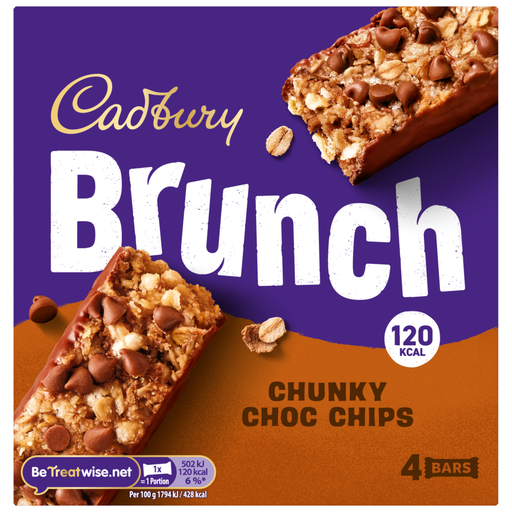
Cadbury Brunch Chocolate Chip Cereal Bars, 4pk, 112g
A four-pack of chocolate-chip cereal bars for general household use, rather than a toddler-specific format. Check the current pack’s serving information, allergens and age or choking warnings before considering one for a young child.
View on Joybuy
 No image available
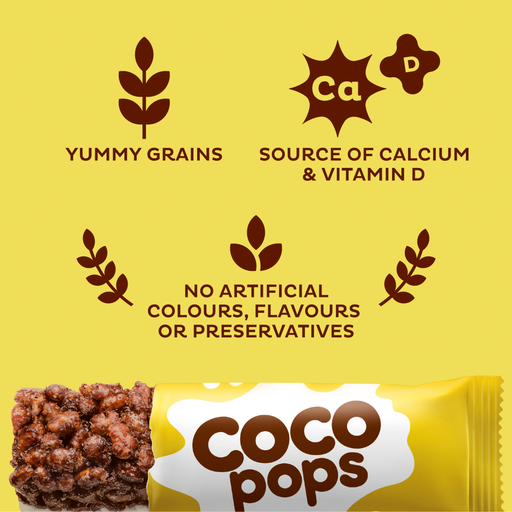
Kellogg's Coco Pops Chocolate Breakfast Cereal Bars, 4 x 20g
Four 20g chocolate cereal bars in a small-bar multipack. The weight alone does not establish toddler suitability: check the exact pack’s sugars, ingredients, allergen warnings and texture.
View on Joybuy
Questions about toddler snack time
Should a cereal bar be an everyday toddler snack?
A bar is better treated as an occasional convenience than the default snack. NHS ideas for young children include fruit, plain unsweetened yoghurt, toast, crackers and unsweetened cereal; vary what you offer rather than relying on one packaged product.
Does a wholegrain or high-fibre claim settle the choice?
No. A front-of-pack claim does not establish the portion size, sugars or allergen status of the bar your child would eat. The NHS also advises against giving under-2s only wholegrain starchy foods, so check the individual serving and keep their foods varied.
Can I send a cereal bar to nursery if it contains allergens?
Ask the individual nursery before packing it, and check the current product label against your child’s needs. England’s Department for Education guidance says settings may discourage certain allergens on site; the applicable rule for a particular lunchbox depends on that setting’s policy.
Is a gluten-free bar automatically suitable for a toddler?
No. Gluten-free status addresses gluten, not portion size, texture, sugars or other allergens. For example, the 50g TREK Original Oat Protein Flapjack is labelled gluten free but carries other allergen warnings; check its full label against the child’s needs.
How should I serve a cereal bar to a toddler?
Check whether your child can manage that particular bar’s size, firmness and inclusions, and supervise them while they eat. NHS food-safety guidance emphasises considering a food’s size, shape and texture for young children.


