For a toddler, choose a plain wholegrain cereal with fibre as part of a varied diet, rather than making high-fibre foods the child’s only starchy option. Softened wheat biscuits, plain porridge and simple wheat cereal each offer different textures and preparation methods, while current allergen information and safe texture should guide the final choice.
Who this is for
Parents of toddlers aged 1 to 3
NHS guidance says that very high-fibre foods can fill small tummies before a child has eaten enough calories and nutrients. Choose fibre-containing cereal within a varied diet rather than relying on it as the only starchy food.
Families needing a quick weekday breakfast
A softened ready-to-serve wheat biscuit and a warm porridge offer different routines. Consider the time needed to prepare, cool and serve the cereal at a manageable texture.
Parents packing food for nursery or school
Check the current ingredient list, allergen declaration and the individual setting’s food policy before packing cereal. NHS guidance notes that some settings may have nut-free rules.
What to check before choosing
Start with the nutrition panel and ingredient list, then check whether the texture, allergens and preparation suit your child. The legal high-fibre label threshold is at least 6g fibre per 100g or 3g per 100 kcal, but this is a label-screening tool rather than a toddler portion guide.
| Priority |
What to check |
Your needs |
| Fibre within a varied diet |
Check fibre per 100g; use the high-fibre claim threshold only to compare labels; choose a cereal that can sit alongside other suitable breakfast foods. |
I want fibre in breakfast without making high-fibre cereal the child’s only starchy food. |
| Sugars and salt |
Compare sugars and salt per 100g; read the ingredients list; do not assume that wholegrain or no-added-sugar wording means low total sugars. |
I want a familiar cereal while keeping an eye on the figures shown on the nutrition panel. |
| Texture and allergens |
Check whether biscuits need softening; allow hot porridge to cool; read the current allergen statement and nursery or school policy. |
I need a texture my child can manage and a product that fits their allergy needs and childcare arrangements. |
Common pitfalls
-
Giving the same high-fibre cereal every day
High-fibre foods can fill a toddler up before they have taken in enough calories and nutrients. NHS guidance advises against giving only high-fibre foods before age 5.
Rotate breakfast cereals with other suitable starchy foods and offer high-fibre cereal as one part of a varied breakfast.
-
Reading “no added sugar” as low total sugar
Dried fruit can contribute sugars even when a cereal has no added sugar. Alpen No Added Sugar lists 18g sugars per 100g, while Dorset Delicious Fruit & Nut lists 19g per 100g.
Compare sugars per 100g alongside the ingredients list. Plain wheat cereals and plain oats have lower declared sugars in the products considered here.
-
Overlooking nut pieces and allergen information
Nut-containing mueslis may include hard pieces that are unsuitable for young children. Whole nuts are not suitable for children under 5 because of choking risk, and cereals can also contain gluten or other allergens.
Choose a texture that your child can safely manage, read the current allergen declaration and check the individual nursery or school policy before packing food.
-
Using an adult serving size as a toddler target
Pack serving information and adult reference intake percentages are not a toddler nutrition target. Appetite and nutritional needs vary considerably at this age.
Serve an age-appropriate amount, respond to the child’s appetite and avoid treating an adult-labelled serving as a required portion.
Relevant brand references
Weetabix
Relevant for softened wheat-biscuit breakfasts. Weetabix Original is a wholegrain wheat cereal that can be softened with milk.
- The manufacturer lists 10g fibre, 4.2g sugars and 0.28g salt per 100g for Weetabix Original.
- It contains wholegrain wheat and malted barley extract, so it contains gluten.
Nestlé
Relevant through Shredded Wheat Original for households seeking a minimal-ingredient wholegrain wheat cereal.
- Nestlé Cereals UK states that Shredded Wheat Original is made from 100% wholegrain wheat and has no added sugar or salt.
- It contains gluten, and the manufacturer states that it may contain peanuts and nuts.
Quaker
Relevant for warm wholegrain oat porridge when a soft, spoonable breakfast is preferred.
- Quaker Oat So Simple Original lists wholegrain rolled oats and 9g fibre per 100g.
- It needs preparing and cooling before serving, and the pack should be checked for allergen information.
Kellogg's
Relevant through All-Bran Fibre Plus for a bran-led cereal with a high fibre concentration.
- Kellogg's lists 26g fibre per 100g for All-Bran Fibre Plus.
- NHS guidance means a very high-fibre cereal should not become a toddler’s default or only high-fibre starchy food before age 5.
Alpen
Relevant for high-fibre muesli comparisons, including Alpen No Added Sugar.
- Alpen No Added Sugar lists 8g fibre per 100g.
- It contains raisins, hazelnuts and almonds, and lists 18g sugars per 100g.
Dorset Cereals
Relevant for fruit-and-nut muesli with wholegrain flakes, dried fruit and nuts.
- Dorset Delicious Fruit & Nut lists 7.2g fibre per 100g.
- It contains cashew pieces and chopped hazelnuts, making it unsuitable as a default choice for children under 5.
Joybuy product options
These Joybuy options cover plain hot porridge and softened wheat-biscuit cereal routes for a toddler breakfast. Check the current pack instructions, allergen statement and serving texture before use.
 No image available
Quaker Oat So Simple Big Bowl Original 6 Pack 231g
A warm porridge option that can be prepared with water or milk and cooled before serving.
Declared nutrition per 100g: 9.0g fibre, 1.0g sugars and 0g salt. The adult-labelled 38.5g sachet should not be treated as a toddler portion.
Contains oats; check the current pack for allergy or coeliac requirements.
Joybuy
 No image available
Flahavan's Organic Porridge Oats 2kg, 2 x 1kg
A plain oat option for preparing a soft, warm porridge texture and allowing it to cool before serving.
Made from 100% organic wholegrain oat flakes. Declared nutrition per 100g: 8.3g fibre, 0.9g sugars and less than 0.01g salt.
Contains oats and gluten; follow the current pack directions before preparing.
Joybuy
 No image available
Flahavan's Organic Porridge Oats 1kg
A smaller-pack plain porridge option for making a warm breakfast at a manageable texture.
Made from 100% organic wholegrain oat flakes. Declared nutrition per 100g: 8.3g fibre, 0.9g sugars and less than 0.01g salt.
Contains oats and gluten; check the current pack for relevant allergy information.
Joybuy
 No image available
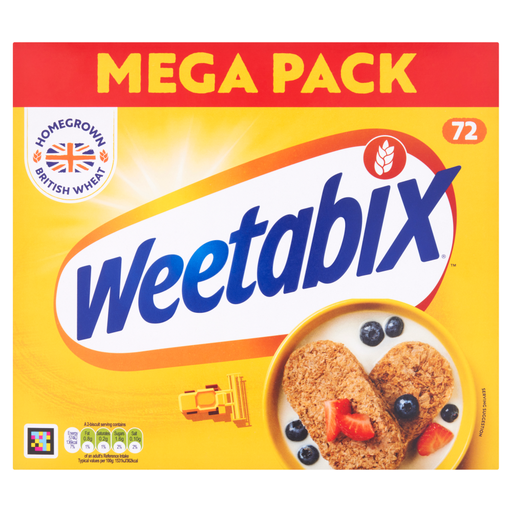
Weetabix Super Size 72 Pack 1.52kg
A wheat-biscuit cereal that can be softened with milk where a softer texture is needed.
The listing states 95% wholegrain wheat, 4.5g sugars and 0.27g salt per 100g. Matching Weetabix Original product information lists 10g fibre per 100g.
Contains wheat and barley gluten; check the current ingredients and any nursery or school food policy before packing.
Joybuy
 No image available
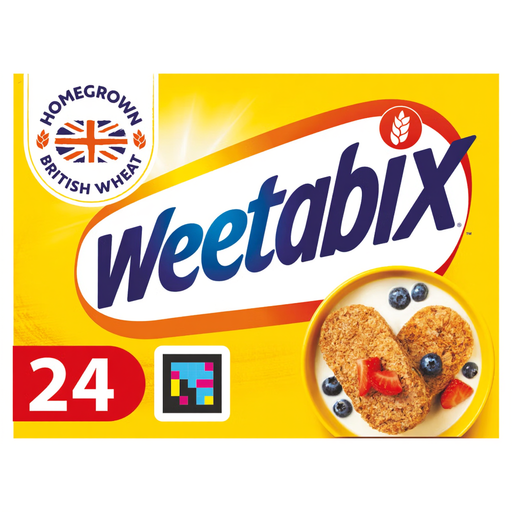
Weetabix Cereal 24 Pack
A softened wheat-biscuit route for a toddler who can manage the prepared texture.
The listing states 95% wholegrain wheat, 4.5g sugars and 0.27g salt per 100g. Matching Weetabix Original product information lists 10g fibre per 100g.
Contains wheat and barley gluten; serve according to appetite rather than adult reference portions.
Joybuy
Questions about toddler cereal
Is a high-fibre cereal suitable for every toddler breakfast?
Not as the only option. NHS guidance says not to give only wholegrain foods before age 2 or only high-fibre foods before age 5, because they can fill small tummies before a child gets enough calories and nutrients. Offer a variety of suitable starchy foods across the diet.
What does “high fibre” mean on a UK cereal pack?
A food may use a high-fibre claim when it contains at least 6g fibre per 100g or at least 3g fibre per 100 kcal. This can help when comparing labels, but it does not establish an age-appropriate portion or make a cereal suitable as a toddler’s only starchy food.
Can I pack wheat or oat cereal for nursery or school?
Check the individual setting’s food policy and the current product label first. NHS guidance advises parents to check with the nursery because some settings may be peanut- or nut-free, while wheat- and oat-based products can have their own allergen considerations.
Are fruit-and-nut mueslis appropriate for a toddler?
They are not an automatic choice. Whole nuts are not suitable for children under 5 because of choking risk, and products such as Alpen No Added Sugar and Dorset Delicious Fruit & Nut contain nut pieces. Choose a safer texture where needed and check for relevant allergies.


