Parents choosing everyday toddler snacks
If the food is for a regular between-meal snack, look beyond the chocolate aisle. NHS examples for young children include fruit, plain unsweetened yoghurt, toast and vegetables.


For routine toddler snack time, choose a non-chocolate option: the NHS advises reducing sugary foods and offering them with meals rather than as snacks. If you are considering chocolate as an occasional treat, a seasonal flavour or gift box matters less than the child’s age, the exact pack’s ingredients and allergens, and any nursery food policy.
If the food is for a regular between-meal snack, look beyond the chocolate aisle. NHS examples for young children include fruit, plain unsweetened yoghurt, toast and vegetables.
A festive box may appeal for a family occasion, but its packaging does not change NHS advice to limit sugary foods and offer them with meals rather than as snacks. Check the exact pack before serving.
Food provided by a setting needs to meet its policy and England’s early-years nutrition requirements. Check the setting’s allergen rules too; the NHS notes that some nurseries are peanut- or nut-free.
Decide whether the food is for an everyday snack, an occasional meal-time treat or an early-years setting before comparing flavours or pack sizes.
| Priority | What to check | Your needs |
|---|---|---|
| Everyday snack | Check the food type and when it will be served. NHS young-child guidance gives fruit, plain unsweetened yoghurt, toast and vegetables as snack examples, and advises offering sugary foods with meals instead. | I’m choosing something for a regular break between meals, not a family treat. |
| Ingredients and allergens | Read the full ingredients and allergen information on the exact pack. Check each variety in an assortment rather than assuming all the chocolates have the same filling. | If my child has an allergy or food restriction, I need to know what is in the particular product I would serve. |
| Seasonal presentation | Separate flavour, assortment and gift packaging from snack suitability. Cadbury describes its cited Christmas selection box as festive chocolates for sharing; that description does not make it a routine toddler snack. | I’m considering a seasonal box for an occasion, but I don’t want the packaging to make the snack decision for me. |
| Nursery rules | Ask the setting about its food and allergen policy. The Department for Education’s guidance for early-years settings in England says that meals, snacks and drinks provided to children must be healthy, balanced and nutritious. | Before sending food to nursery, I need to check what the setting permits, including any nut-free rule. |
A festive selection box is still chocolate. The NHS identifies chocolate as a food containing free sugars and advises keeping sugary foods and drinks to meals rather than snacks.
Choose an everyday snack on its own merits; consider the chocolate separately if the occasion calls for a treat.
Assorted fillings can differ. Ferrero Rocher’s cited three-piece product, for example, lists hazelnuts, milk, wheat and soya, while a nursery may have its own nut restrictions.
Read the exact pack’s ingredients and allergen information, and follow the child’s allergy plan and the setting’s policy.
Cadbury describes the cited Heroes and Roses boxes as assorted or sharing chocolates. Neither the number of pieces nor the size of the box establishes what is appropriate for a child.
Decide on the occasion first. If offering a sugary food, follow NHS advice to keep it infrequent and serve it with a meal rather than as a snack.
These brand references help identify assorted and seasonal formats; they are not recommendations for routine toddler snacks.
Cadbury lists assorted Heroes and Roses boxes alongside a Christmas chocolate selection box in its UK range.
Roses is a Cadbury assortment for shoppers considering mixed chocolate centres.
Heroes is a Cadbury assorted milk-chocolate sharing-box line.
Ferrero Rocher is relevant when comparing praline-style chocolates for an occasional occasion.
These fruit, yoghurt and oaty products are options to consider instead of a chocolate box for routine snack time. Match the stated age range and serving format to the child, and check the current pack before serving.
 No image available
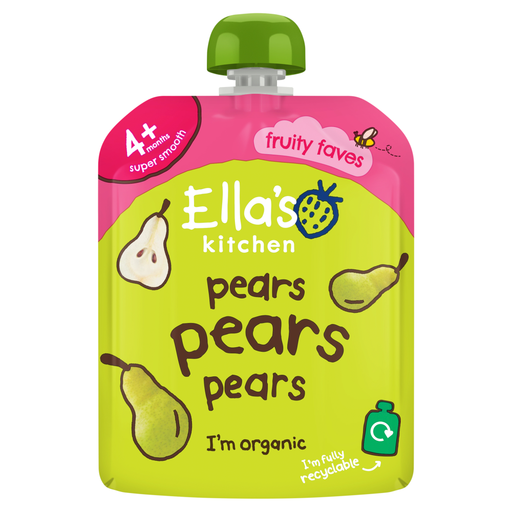
A pear pouch to consider in place of boxed chocolate for a snack. Its stated age range is 4+ months; serve it in a way that suits the child’s feeding stage, and check the current pack’s ingredients and allergen information.
 No image available
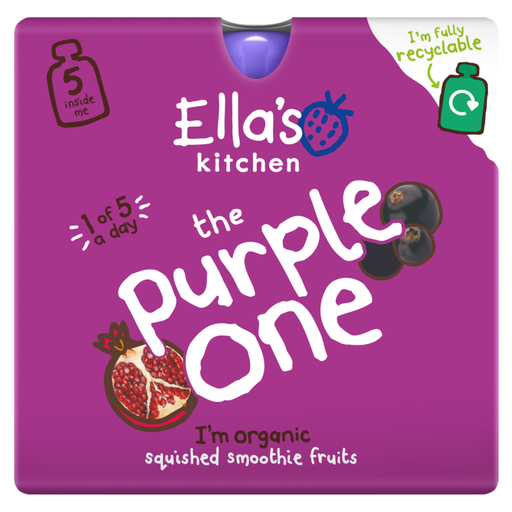
Five individual fruit pouches offer a non-chocolate format for snack time. The stated age range is 6+ months; supervise eating and keep the cap away from children under 36 months. Check the current pack’s ingredients and allergens.
 No image available
This mango-and-yoghurt pouch is a different snack format from boxed chocolate and states an age range of 6+ months. It contains milk; check the current pack against the child’s allergy needs, and keep the cap away from children under 36 months.
 No image available
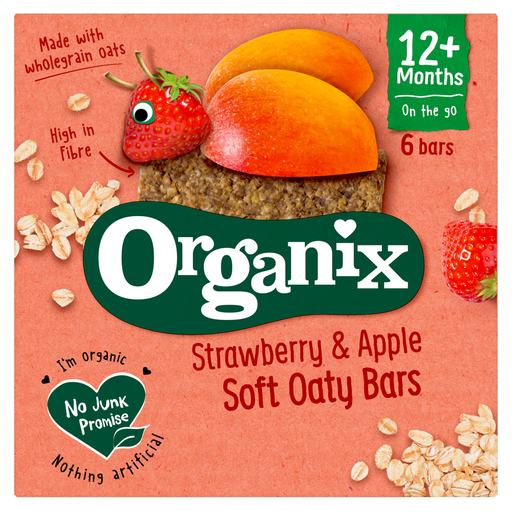
Individually packed soft oaty bars offer a non-chocolate option for children within the stated 12+ months age range. Have the child sit down and supervise eating; check the current pack’s sugars, ingredients and allergen information, including its precautionary tree-nut statement.
No. The NHS advises reducing sugary foods and offering them with meals rather than as snacks. A seasonal flavour or box does not change that advice; NHS snack examples for young children include fruit, plain unsweetened yoghurt, toast and vegetables.
If a parent or carer decides to offer one, NHS advice is to offer sugary foods with a meal rather than between meals, while keeping their frequency and amount as low as possible. Check that the particular food and its format are appropriate for the child.
Yes. Read the current ingredients and allergen information for the exact box, including its different fillings. Ferrero Rocher’s cited three-piece product, for example, lists hazelnuts, milk, wheat and soya; another product’s ingredients should not be assumed to match it.
Check with the nursery before sending them. The NHS advises asking about its food policy, including possible nut restrictions. The Department for Education’s England early-years nutrition guidance says food provided by settings must be healthy, balanced and nutritious; it does not establish a blanket rule about every food a parent may give at home.