Parents making coconut-based curries or sauces
Choose coconut milk for its role in the recipe, while checking the pack’s saturated fat, salt and instructions for storing leftovers. A cooking ingredient is not a toddler’s regular milk replacement.


For a toddler’s curry, soup or sauce, choose culinary coconut milk as a recipe ingredient, not as a regular milk replacement; compare the amount used and the saturated fat on the label. If a dairy-free product will be used regularly as a milk alternative after age one, check for unsweetened fortification with calcium and iodine, as well as protein and energy. Tesco’s filtered-milk category refers to dairy milk, so “filtered” does not answer either coconut-product decision.
Choose coconut milk for its role in the recipe, while checking the pack’s saturated fat, salt and instructions for storing leftovers. A cooking ingredient is not a toddler’s regular milk replacement.
Distinguish a culinary ingredient from a fortified milk alternative. For a child with a diagnosed allergy, check the current pack’s ingredients and precautionary allergen information rather than relying on the product category.
Shelf-stable packaging can be useful, but it does not establish whether the drink is fortified or suitable for regular milk use. Check the child’s age and the drink’s calcium, iodine, protein and energy information.
Decide whether the coconut product is going into a dinner recipe or taking the place of milk regularly; packaging and storage come after that distinction.
| Priority | What to check | Your needs |
|---|---|---|
| Recipe or milk alternative | Check whether the product is culinary coconut milk or a fortified drink. For regular dairy-free milk use after age one, check calcium, iodine, protein and energy; Frimley Healthier Together NHS guidance distinguishes milk used in cooking from a main milk drink. | I’m adding coconut flavour to dinner, or I need a product that will serve a different, regular milk role. Those choices need different label checks. |
| Meal ingredients | For cooking milk, compare saturated fat and salt using the same nutrition basis. Tesco Groceries lists 13.0g saturates per 100ml for Tesco Coconut Milk; also check how much the recipe uses. | A coconut sauce is part of our meal, but I want to account for the amount served to the toddler and the other ingredients in the dish. |
| Drink nutrition | Check whether calcium and iodine are added, then read protein and energy per 100ml. Alpro lists 120mg calcium and 0.1g protein per 100ml for Coconut Original; those figures describe that drink, not all coconut drinks. | If this will be used regularly in place of milk, I need to look beyond the word “coconut” or an age label and consider the child’s wider diet. |
| Ingredients and allergens | Read the current ingredients and any “may contain” statement, particularly for a child with a diagnosed allergy. Coconut drinks can also include rice: Alpro lists rice in Coconut Original, while Waitrose lists nut and soya precautionary statements for the reviewed Plenish drink. | With an allergy to manage, I need the information on this pack, not an assumption that every coconut product has the same recipe. |
| Pack and storage | Check the quantity your recipe needs and the instructions after opening. Tesco Groceries specifies two days after opening for its 400ml coconut milk; Waitrose specifies four days for the reviewed Plenish long-life drink. | I’d like a pack size I can use as directed, especially if the next coconut-based meal will be several days away. |
Cooking products can have substantial saturated fat without supplying the fortification sought in a regular dairy-free milk alternative. Tesco Groceries lists 13.0g saturates and 0.9g protein per 100ml for its coconut milk.
Use culinary coconut milk for the recipe. For regular milk use after age one, check fortification, protein and energy; seek individual professional advice if allergies, restricted intake or growth concerns affect the choice.
A long-life pack describes storage before opening, not its nutrient profile. Waitrose lists less than 0.5g protein per 100ml for the reviewed Plenish coconut-and-rice drink.
If the drink will be used regularly as a dairy-free milk alternative after age one, read its calcium, iodine, protein and energy information as well as its ingredients.
Coconut drinks can have other ingredients or precautionary statements. Waitrose lists “May Contain Nuts” and “May Contain Soya” for the reviewed Plenish drink.
Check the physical pack each time for a child with a diagnosed allergy, and follow the child’s individual allergy advice.
Instructions differ between products: Tesco and Waitrose specify two days for the reviewed canned coconut milks, while Waitrose specifies four days for the reviewed Plenish long-life drink.
Follow the storage and opened-life instructions on the pack in hand, including its refrigeration directions.
These examples show why the product type and its particular label matter more than the brand name alone.
Koko lists separate culinary and child-oriented coconut products.
Alpro Coconut Original is a coconut-and-rice drink rather than concentrated cooking coconut milk.
Tesco lists a 400ml culinary coconut milk for cooking.
Waitrose lists both canned culinary coconut milk and a separate long-life coconut-and-rice drink.
These coconut milks are options for curries, soups and sauces served as part of a toddler dinner. Choose by the recipe’s quantity and check each pack’s nutrition, allergens and storage directions; these cooking products are not presented as regular fortified milk alternatives.
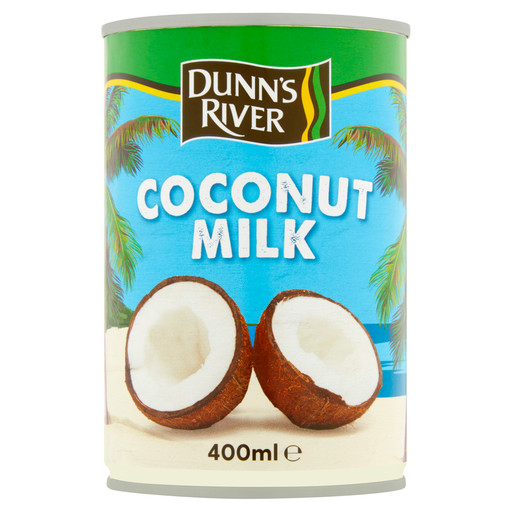 No image available
A 400ml cooking coconut milk to consider when a curry, soup or sauce calls for coconut milk. Check the current pack’s saturated fat, allergen information and directions for keeping any leftovers.
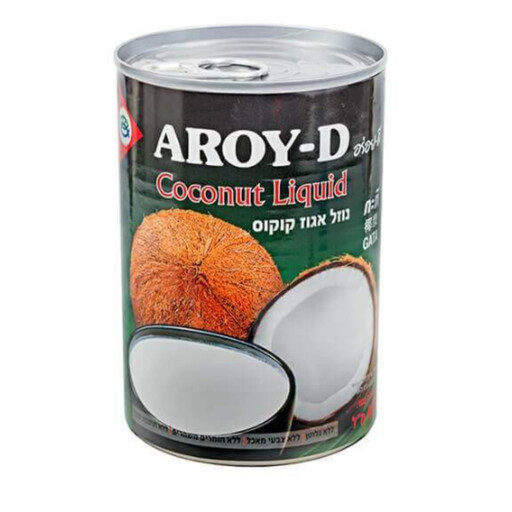 No image available
A 400 ML cooking option for a coconut-based dish; the product name states 17% fat. Product information flags possible traces of soya and milk, so check the current pack before serving it to a child with a relevant allergy.
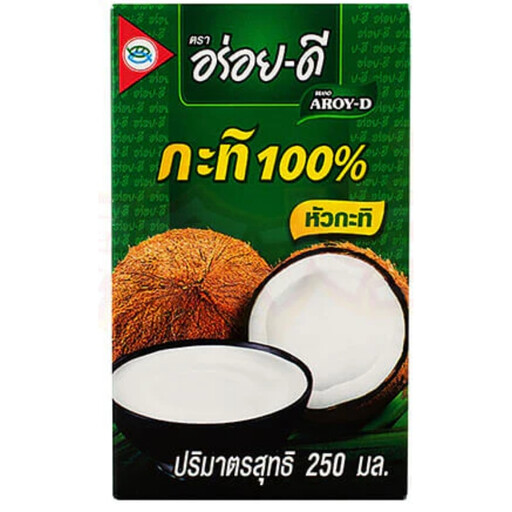 No image available
The 250ml carton is worth comparing with the recipe quantity when coconut milk is one ingredient in dinner. Check saturated fat, the current allergen label and instructions for any opened carton.
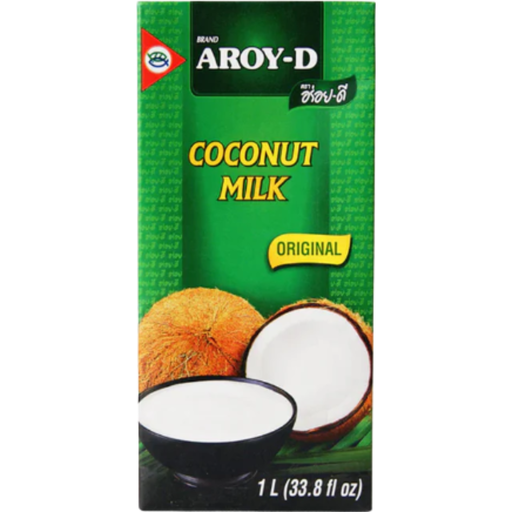 No image available
This 1L cooking carton suits consideration when the planned recipe calls for a larger quantity. Check how much will be used, the pack’s saturated fat and allergen information, and its directions after opening.
 No image available
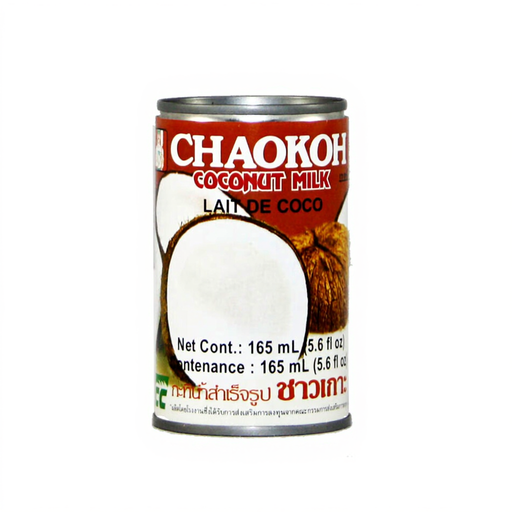
The 165ml tin is an option to compare with the amount needed for a curry or soup. Read its nutrition and allergen label and follow the tin’s instructions for storage after opening.
Yes, coconut milk can be an ingredient in a toddler’s recipe rather than a replacement for the child’s usual milk. Frimley Healthier Together NHS guidance says plant-based milk alternatives can be used in cooking from six months, but not as a main milk drink before the child is over one year old.
No. Canned culinary coconut milk is a recipe ingredient; a fortified drink has a different intended role and needs its own nutrition checks. For regular dairy-free milk use after age one, check calcium, iodine, protein and energy rather than assuming that every coconut drink supplies the same nutrients.
Not for this choice. Tesco’s filtered-milk category lists filtered dairy milks, while its culinary coconut milk is a separate product. For a toddler dinner, choose according to whether you need a cooking ingredient or a drink, then check the relevant label.
No: the category name does not replace the current pack label. Check ingredients and precautionary statements for a child with a diagnosed allergy; product information for the AROY-D 17% Fat cooking milk, for example, flags possible traces of milk and soya.
Follow the particular pack’s refrigeration and opened-life instructions. Tesco and Waitrose specify two days for the reviewed canned coconut milks, whereas Waitrose specifies four days for the reviewed Plenish long-life coconut drink.