
24/7 Customer Support

Free returns

Same-day & Next-day Delivery

Quality Guaranteed

Unlock Your Welcome Offers: FREE Delivery | Up to 80% OFF | Free 30-day JoyPlus trial
Download the APP
Choosing toddler drinking cups is rarely as simple as picking a colourful design. A cup that works well at the kitchen table may leak in a nursery bag, while a highly sealed valve can be frustrating for a younger child learning to sip. The right choice depends on age, drinking stage, cleaning routine and where the cup will be used.
This guide explains the main buying traps, the specifications worth checking and a selection of baby sippy cups, straw cups and open-cup trainers available from Joybuy UK.
Marketing terms such as “leak-proof”, “non-spill” and “shake-proof” describe a cup’s design, not every possible situation. A valve may reduce leaks when the cup is upright or correctly assembled, but liquid can still escape if the lid is loose, a seal is worn or the cup is vigorously shaken.
For travel, look for a secure lid, replaceable or inspectable seals and clear assembly instructions. A flip-top cover can also protect a straw or spout from dirt inside a changing bag.
A strongly sealed cup may minimise mess but require more suction than a young child can comfortably manage. Conversely, free-flow cups allow liquid to move more easily when tipped but generally offer less spill resistance while open.
Consider whether your priority is independent drinking at home or reliable containment on a bus, in the car or at nursery. A training cup should support the child’s current ability rather than simply offering the tightest seal.
Straws, silicone valves and spouts can trap milk or juice residue. A cup with several narrow components may become inconvenient if it needs specialist brushes or lengthy dismantling after every use.
Check whether the product is dishwasher-safe, whether all parts separate and whether the manufacturer provides clear inspection or replacement guidance. Discard any cup or component showing cracks, tears, bite marks or weakness.
Always follow the age guidance printed on the product. Some training cups for babies are suitable from 3 or 4 months, while others are intended for 6, 12 or 18 months and above. Age is a guide rather than a guarantee of readiness, so supervise your child and introduce the cup gradually.
Small cups around 190–210ml can be easier for younger children to hold and control. Larger 266–360ml models are more suitable for longer outings or active toddlers, although a fuller cup may feel heavy in small hands.
Contoured sides, handles and textured grips are practical features for cups for independent drinking. Check the dimensions as well as the capacity: a tall bottle may fit a drinks holder, while a wider 360° cup may be more stable on a table.
Look for clearly stated materials such as food-grade polypropylene or silicone and claims such as BPA-free drinking cups. BPA-free labelling is useful, but it does not remove the need to wash and inspect the product properly.
For everyday convenience, prioritise:
The following recommendations match different household needs rather than assuming one design suits every child.
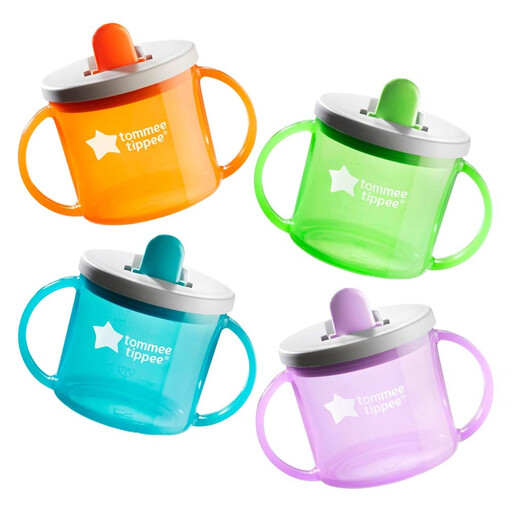
Why This Fits Their Persona: A compact 4+ months trainer for families starting the move from bottle or breastfeeding to independent sipping.
Its free-flow spout is designed for easier sipping rather than relying on a highly restrictive valve, while the flip-down spout helps contain the cup when closed.
Two-part construction, dishwasher suitability and sterilisation compatibility are practical for frequent use.
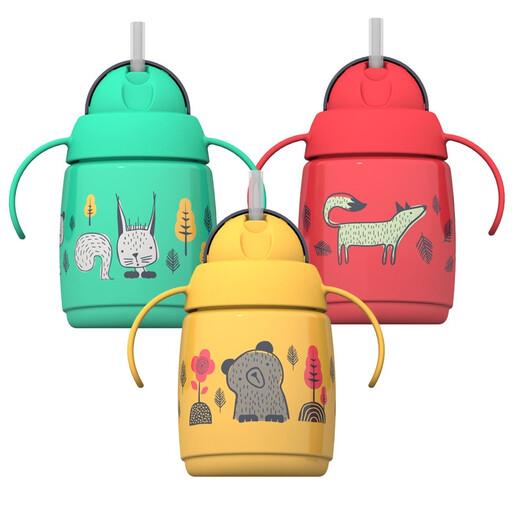
Why This Fits Their Persona: Suits parents wanting a larger, feature-led straw cup for a child aged 6 months and above.
The weighted silicone straw is designed for drinking at different angles, while the included brush addresses the common problem of inaccessible straw interiors.
Measurement markings, flip cover and dishwasher- and steriliser-safe detachable parts are listed features.
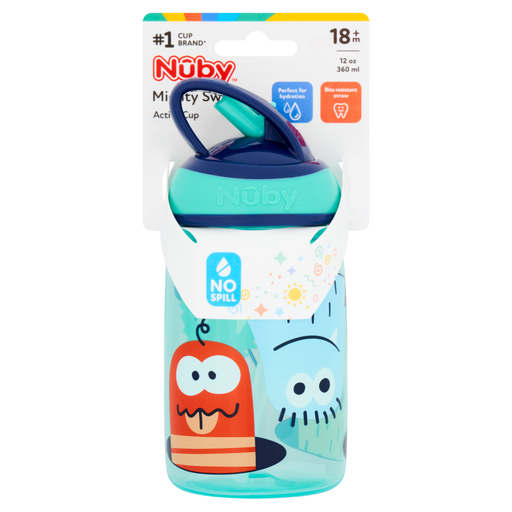
Why This Fits Their Persona: A suitable profile match for active toddlers aged 18 months and above who need a larger cup for nursery, outings or play.
The one-piece internal valve and bite-resistant hard spout address two frequent weaknesses: difficult assembly and damage from chewing.
Its 360ml capacity, contoured grip and BPA-free polypropylene and silicone construction are specified for everyday use.

Why This Fits Their Persona: Designed for babies from 6 months who are ready to practise sipping from a rim rather than a traditional spout.
The removable valve can be cleaned separately, helping avoid residue build-up in a concealed mechanism. It is designed to be leak-resistant when used as directed, though vigorous tipping may cause drips.
The 360° rim supports sipping from any side, and the cup is top-rack dishwasher safe with easy-grip handles.
We have compiled a complete, real-time list of products that fully satisfy these strict selection criteria and UK safety regulations.
Use drinking cups under adult supervision and follow the age and cleaning instructions supplied with the product. Avoid hot or fizzy drinks unless the instructions specifically permit them. Do not allow prolonged sipping of sugary drinks, and check the liquid temperature before serving.
After each use, disassemble valves, straws and spouts, wash them thoroughly and allow every component to dry before reassembly. A straw brush is particularly useful for weighted straw cups. Inspect the cup before use and replace it at the first sign of damage.
Choose a cup with a closing lid, a secure seal and a design that can be fully cleaned after use. Leak-resistant straw cups and spouted cups can work well in a changing bag, but always test the assembled cup at home first and keep it upright where possible.
There is no universal replacement interval. Lifespan depends on chewing, frequency of washing and exposure to heat. Replace a spout, straw, valve or cup when it becomes cracked, torn, cloudy, loose or difficult to clean. Follow any specific replacement guidance from the manufacturer.
They can reduce daily washing time, particularly in households using several cups. However, dishwasher-safe does not mean maintenance-free: narrow straws and silicone valves may still require a small brush and should be checked for trapped residue after washing.