Parents serving fish to a toddler
You need fish that can be cooked, inspected for bones and flaked or cut into manageable pieces. NHS guidance identifies bones as a particular choking risk for young children.


Choose a plain frozen fillet when you want to control the seasoning and compare a shorter ingredient list; consider a coated fillet if its preparation suits the family meal and you have checked its allergens and salt. Whichever you choose, follow that pack’s cooking instructions, inspect the cooked fish for bones and serve it in manageable pieces under supervision. A “boneless” description is not a guarantee that every bone has been removed.
You need fish that can be cooked, inspected for bones and flaked or cut into manageable pieces. NHS guidance identifies bones as a particular choking risk for young children.
A plain fillet and a coated fillet can have different ingredient lists. Check the current pack for fish and any additional allergens, as well as its salt information, before choosing.
Choose a pack with preparation and storage directions that fit your routine. Some products require thawing before cooking, while others give instructions for cooking from frozen.
Start with the cooked fish’s texture and bone check, then compare the exact pack’s ingredients and preparation directions.
| Priority | What to check | Your needs |
|---|---|---|
| Bones and texture | Read any remaining-bones warning, even on a fillet described as boneless. After cooking, inspect the fish and remove bones before flaking or cutting it. | I need pieces my toddler can manage while seated and supervised. NHS guidance identifies bones as a choking risk for young children. |
| Ingredients and allergens | Compare the exact pack’s ingredient, allergen and salt information. Tesco Groceries describes its Bay Fishmongers pollock fillets as containing pollock, while the Birds Eye breaded haddock example also includes coating ingredients. | I want to choose the seasoning myself, or check whether a coated product contains ingredients my child needs to avoid. |
| Cooking and storage | Check whether the fish is raw, whether it needs thawing and which cooking method the pack specifies. Follow that product’s storage and refreezing directions. | If dinner starts with fish from the freezer, I need a method that fits the time and equipment available. |
| Type of fish | Identify the fish species rather than assuming all plain fillets are the same. Compare preparation and serving texture as well as the ingredient list. | I may want to vary the fish served at family meals without assuming that a coated fillet has the same ingredients as a plain one. |
Even products described as boneless can carry a warning that bones may remain. Bones present a choking risk for young children.
Inspect the cooked fish, remove any bones and serve it flaked or cut into manageable pieces while supervising the child.
Batter and breadcrumbs change the ingredients. The Birds Eye breaded haddock example includes wheat and mustard; a separately listed Young’s battered product declares fish, gluten, milk and mustard.
Read the ingredient and allergen information on the exact pack rather than applying one product’s label to another.
Adult reference-intake figures do not specify a toddler serving size, and they do not address bones or the prepared fish’s texture.
Plan the portion and accompanying foods for the child, check the salt information and prepare the fish in manageable pieces.
Frozen fish products can differ in whether they require thawing or provide instructions for cooking from frozen.
Follow the cooking, storage and refreezing directions on the pack you bought. Cook the fish as directed, then let it cool to a suitable serving temperature.
Tesco Groceries lists plain frozen white-fish fillets alongside other frozen fish products.
M&S lists frozen fish fillets, including cod and other fish types.
Young’s lists 4 Atlantic Cod Fillets in its Natural Fish Fillets range and also sells coated fish products.
Birds Eye sells breaded and battered frozen fish formats, including breaded haddock fillets.
These options include plain-style frozen fillets for meals where you choose the seasoning, plus a battered cod product for a different preparation. Check each pack’s ingredients, cooking directions and bone information before serving it to a toddler.
 No image available
Consider this for a plain-style fillet dinner if the pack’s ingredients and preparation directions suit your meal.
The title states skinless and boneless IQF fillets, a 170/200g size and 800g net fish weight. Check the current pack for ingredients and cooking directions, and inspect the cooked fish for bones despite the boneless description.
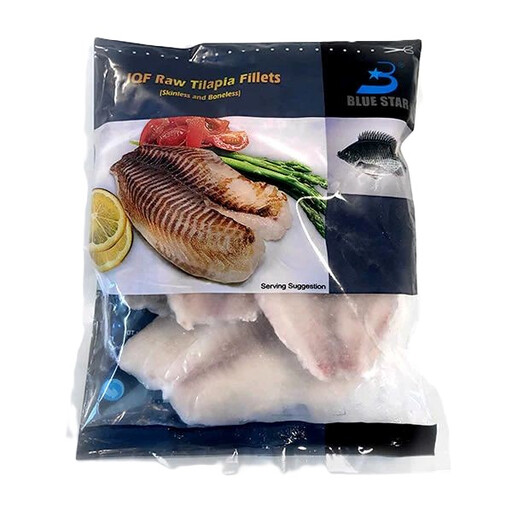 No image available
This is a plain-style tilapia option to consider when you can cook and inspect the fish before serving.
The title states raw, skinless and boneless IQF fillets in a 140/200g size. The product information warns that bones may remain; cook the fish fully and remove any bones you find.
 No image available
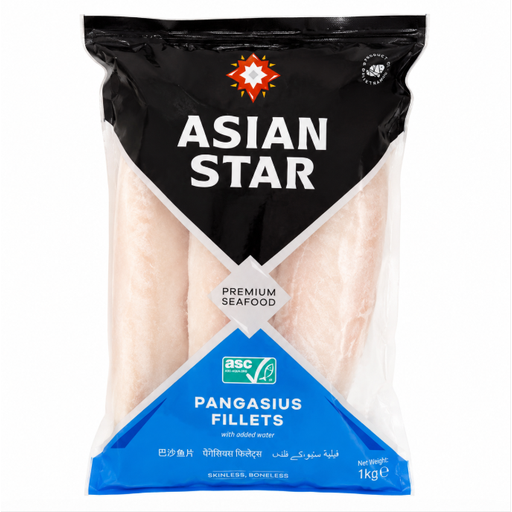
Compare this plain-style pangasius option when planning the seasoning and other foods in a toddler dinner.
The title states a 1kg pack with 800g net fillets. Its product information lists salt among the ingredients, so check the current pack’s ingredient and salt information, follow its cooking directions and inspect the cooked fish for bones.
 No image available
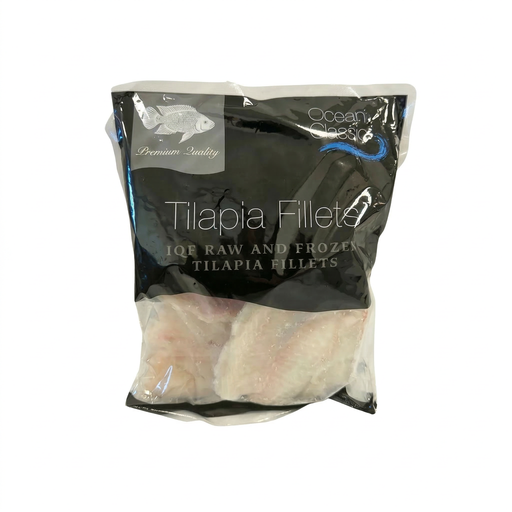
This tilapia option is worth comparing if you want to season a plain-style fillet yourself.
The title identifies IQF fillets and 800g net weight. Check the current pack for bone information and its thawing and cooking directions; inspect the cooked fish before serving.
 No image available
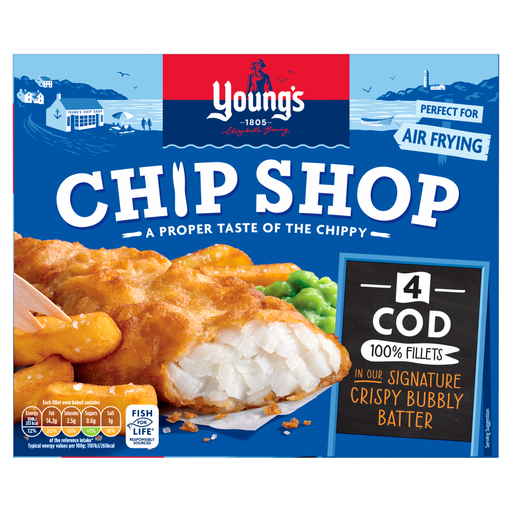
This battered cod is a different choice from a plain fillet when the family meal calls for a coated product.
The product information identifies wheat and mustard among its allergens and warns that bones may remain. Compare the current pack’s ingredients and salt information, follow its cooking directions and inspect the fish before serving.
No. NHS guidance identifies bones as a choking risk for young children, and frozen fillets described as boneless can still carry a remaining-bones warning. Inspect the cooked fish, remove any bones and serve it in manageable pieces under supervision.
Choose a plain fillet when you want to control the seasoning and compare a shorter ingredient list. A coated fillet may fit a family meal, but check its exact ingredient, allergen and salt information: coatings can add ingredients beyond fish. NHS guidance advises limiting salt for babies and young children.
Follow the exact product’s preparation directions rather than assuming it is ready to eat. For example, M&S states that its Wild Icelandic Cod Fillets contain raw fish and must be cooked. Check that the fish is cooked as directed, then let it cool before serving.
Read the current pack for fish and any additional declared allergens. Coated product examples in this article include wheat and mustard, while a separately listed Young’s battered product also declares milk. If your child has a known allergy and the label is unclear for their needs, seek suitable advice before serving the product.
Follow the directions on the pack you bought. The Tesco Groceries, M&S and Birds Eye product examples covered here state not to refreeze after thawing; do not assume another fish product has identical storage directions.