Parents making a quick fish dinner
Fish fingers are straightforward to portion, while frozen fillets offer another way to build a meal. Either way, allow time to follow the pack’s cooking directions and check the fish before serving.


Choose fish fingers when easy portioning matters, or plain frozen fillets when you want to decide how to prepare and serve the fish. Salmon offers an oily-fish option, but whichever format you choose, check the current pack for ingredients, allergens, storage and cooking directions, then check the cooked fish for bones before serving a toddler.
Fish fingers are straightforward to portion, while frozen fillets offer another way to build a meal. Either way, allow time to follow the pack’s cooking directions and check the fish before serving.
Fish and shellfish need separate attention on ingredient and allergen information. When introducing foods that can trigger an allergic reaction during weaning, the NHS advises offering them one at a time so a reaction can be spotted.
A plain fillet lets you choose how to season and serve cooked fish, including flaking it into the rest of the meal. Check the individual pack rather than assuming every fillet has the same ingredients or preparation method.
Start with the format your toddler will eat, then check the exact product’s ingredients and the preparation needed before it reaches the plate.
| Priority | What to check | Your needs |
|---|---|---|
| Ingredients and allergens | Read the current pack’s ingredient and allergen information. Check fish, shellfish and any coating ingredients separately. | If fish is new to my toddler, I want to identify every relevant ingredient before serving it. The NHS advises introducing foods that can trigger an allergic reaction one at a time during weaning. |
| Cooking and bones | Follow that product’s storage and cooking directions, and check that the fish is thoroughly cooked. Break up or flake it and look for bones before serving. | I need enough time to prepare the fish as directed and inspect the cooked portion. Birds Eye’s cod-finger information warns that some bones may remain and says to cook the product until piping hot. |
| Format and texture | Compare individual fingers with whole or sliced fillets. Check whether the product is coated and whether its directions call for cooking from frozen or thawing first. | Fingers may be easier for me to portion; an uncoated fillet lets me decide how to serve the cooked fish with the rest of dinner. |
| Fish type | Read the species name rather than relying on a general fish description. The NHS identifies salmon as oily fish and cod, haddock and pollock as white fish. | When I want to vary the fish served at dinner, I need to know which species is in the pack, not just whether it is frozen or breaded. |
| Pack and portion | Check the number of pieces or fillets, pack weight and any serving information. An adult reference serving is not automatically a toddler serving. | I want to take a suitable amount from the pack for this meal rather than treating its adult serving information as a target for my child. |
Species and format differ: the NHS identifies salmon as oily fish, while cod, haddock and pollock are white fish. A breaded finger also brings coating ingredients that a plain fillet need not have.
Check the species and ingredient list, then choose the format that fits how you plan to prepare the meal.
Birds Eye’s cod-finger information and M&S fish-finger information both warn that bones may remain.
Split or flake the cooked fish and inspect the portion before serving it to a toddler.
Ingredients and product information can change; M&S directs shoppers to read the product label.
Use the current pack for the final ingredient, allergen, storage and cooking checks, particularly when an allergen or coating ingredient matters.
Birds Eye describes four of its fish fingers as an adult portion and gives a separate, smaller child portion suggestion. That brand guidance is not an individual serving prescription.
Consider the toddler’s appetite and the rest of dinner rather than copying an adult serving figure.
These ranges illustrate different frozen-fish formats; the details that matter for a toddler dinner still depend on the individual product.
Its frozen-fish range includes conventional cod fingers and other coated options.
Young's lists both fish-finger varieties and natural frozen fillets, including cod and salmon.
Tesco’s frozen-fish-finger and fish-cake listings include own-label, Free From and branded products.
M&S lists frozen fish fingers and other fish formats with product-specific information.
These options include sliced fish, fillets, cod portions and salmon steaks for different ways of preparing a toddler dinner. Check each pack’s ingredients and cooking directions before choosing how to serve it.
 No image available
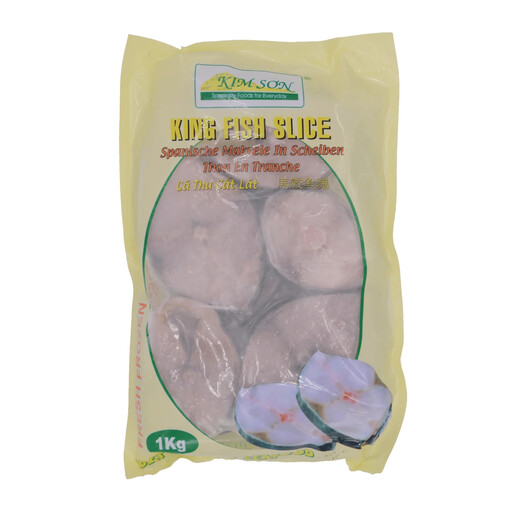
The sliced format offers portions to prepare as part of a meal. Check the pack’s cooking directions, cook thoroughly and inspect the cooked fish for bones before serving.
 No image available
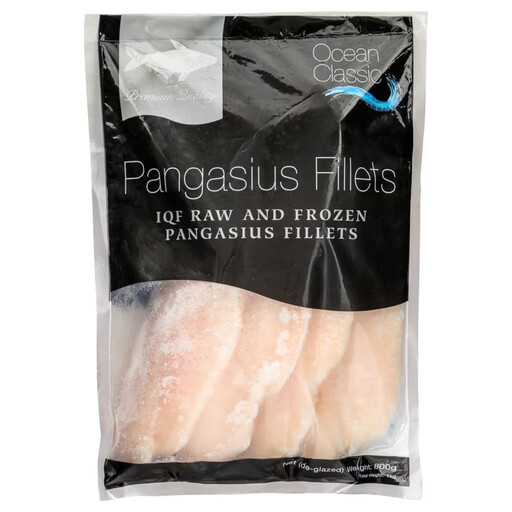
This fillet format suits a meal in which you decide how to portion and serve the cooked fish. Although the product is described as boneless, inspect the cooked portion; follow the pack’s thawing and cooking directions.
 No image available
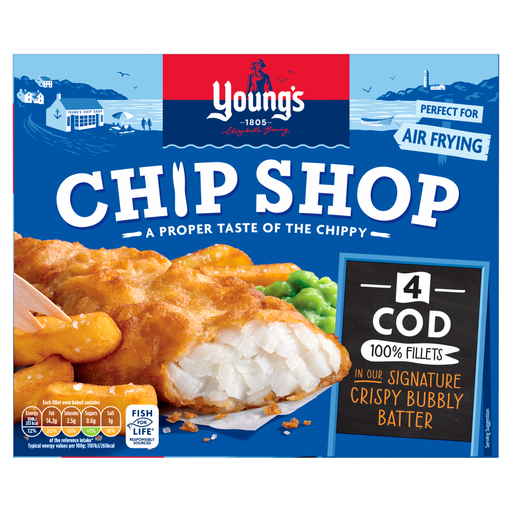
Four cod fillets provide a piece-by-piece dinner format, distinct from fish fingers. Check the current pack for coating ingredients and allergens, follow its cooking directions and inspect the cooked fish before serving.
 No image available
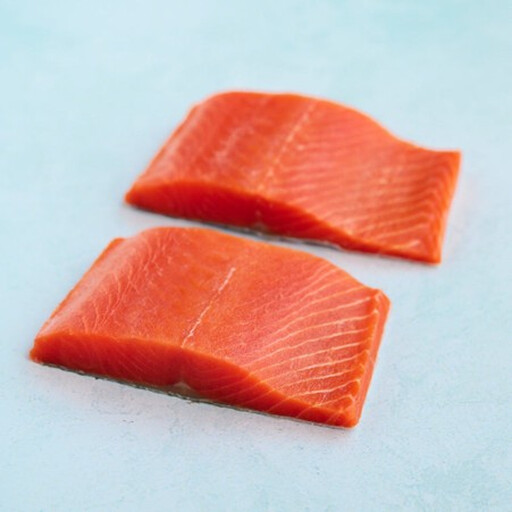
Salmon is an oily fish, according to the NHS, so these steaks offer a different species choice from cod or pangasius. Check the current pack for allergens and preparation directions, and inspect the cooked portion before serving.
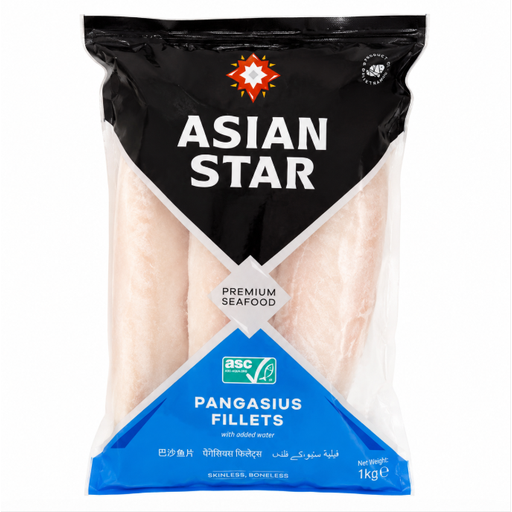 No image available
These fillets offer a format you can portion and serve with chosen sides. Read the current pack for ingredients, storage and cooking directions, then inspect the cooked fish for bones before serving.
Fish fingers can be a dinner option when their ingredients suit the child and they are cooked as the pack directs. Check the cooked fish for bones before serving: Birds Eye warns that bones may remain in its cod fish fingers and says to cook them until piping hot.
Choose fingers if individual pieces make the meal easier to portion; choose a plain fillet if you want to decide how to prepare and serve the cooked fish. Check the exact product’s ingredients and directions, since coating and preparation methods vary.
Check the product’s ingredients before offering it. When introducing foods that can trigger an allergic reaction during weaning, the NHS advises introducing them one at a time so that any reaction can be spotted.
No. The NHS lists fish and shellfish separately among foods that can trigger allergic reactions. Read the exact product’s ingredient and allergen information for whichever is relevant to your child.
Follow the directions on the current pack rather than applying one product’s method to another. Birds Eye’s cod-finger information says to cook until piping hot, while M&S states that its fish fingers contain raw fish and must be cooked; inspect the cooked fish for bones before serving.